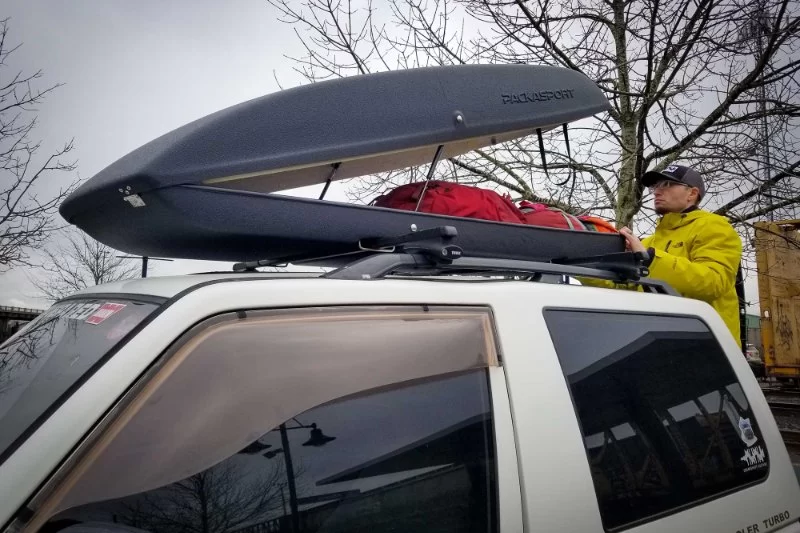
- 1-Identify-Looseness-Check-Your-Roof-Rack
- 2-Assess-Safety-Determine-Risk-Before-Driving
- 3-Tightening-Procedures-Step-By-Step-Fix
- 4-Professional-Help-When-To-Call-Experts
- 5-Prevention-Tips-Maintain-Your-Roof-Rack
1. Identify Looseness: Check Your Roof Rack
Before you take any action, the first step is to carefully inspect your car's roof rack. Many vehicle owners overlook small wobbles, which can escalate into dangerous situations on the road. Start by giving the rack a firm shake from side to side and front to back. Listen for rattling sounds or feel for movement in the mounting brackets. Loose roof racks can occur due to missing bolts, worn-out fasteners, or even a misalignment from previous installation.
For example, a case shared in an online forum involved a family planning a road trip. They discovered their roof rack was loose just hours before departure. By noticing slight movement, they prevented potential damage to both their car and the cargo they planned to transport. Regularly inspecting your roof rack, especially before long trips, is essential for safety.
Firestone Complete Auto Care
1933 N Placentia Ave, Fullerton, CA 92831, USA
2. Assess Safety: Determine Risk Before Driving
Once you've identified a loose roof rack, evaluate the risk of using your vehicle before fixing it. Even a slightly wobbly rack can compromise road safety, particularly at high speeds or during emergency maneuvers. Consider the type of load you usually carry; heavier cargo amplifies the dangers of a loose rack. Avoid driving long distances with a loose roof rack.
Personal stories emphasize this point. One car owner shared that ignoring minor looseness led to a loud clanging noise during highway driving, causing panic and sudden braking. This example underlines why assessing safety immediately after noticing looseness is critical.
Complete Auto Service of Ann Arbor
2890 Jackson Ave, Ann Arbor, MI 48103, USA
3. Tightening Procedures: Step-By-Step Fix
Fixing a loose roof rack is straightforward if you follow a methodical approach:
Step 1: Gather Tools
Common tools include a torque wrench, screwdrivers, and appropriate bolts or fasteners. Ensure you have manufacturer-recommended replacements if existing parts are worn.
Step 2: Remove the Load
Clear any cargo from the roof rack. This reduces risk during the adjustment process and allows better access to mounting points.
Step 3: Inspect Fasteners and Brackets
Check for rust, stripped threads, or damaged brackets. Replace any defective components before proceeding. This ensures the rack remains secure for future use.
Step 4: Tighten Correctly
Using a torque wrench, tighten bolts according to the manufacturer's specifications. Avoid over-tightening, which can damage your vehicle’s roof or the rack itself.
If you are unsure about the proper torque or installation technique, platforms like Rescue & Towing can help you find professional products and services suitable for your vehicle.
4. Professional Help: When to Call Experts
Even with detailed instructions, some roof racks require professional handling, especially aftermarket or custom racks. Signs you need expert assistance include:
- Visible damage to mounting points
- Persistent looseness despite proper tightening
- Uncertainty about correct torque settings
Professional services can offer inspections, repairs, and secure installations, ensuring long-term safety. Many customers find that investing in professional evaluation saves significant time and prevents costly damages.
5. Prevention Tips: Maintain Your Roof Rack
Preventing future looseness is easier than repeated repairs. Here are practical tips:
Regular Inspection
Check your roof rack at least once a month and before every long trip. This helps catch minor issues early.
Use Quality Fasteners
Always use high-quality bolts and clips recommended by your vehicle manufacturer. Cheap or incompatible fasteners are a common cause of looseness.
Avoid Overloading
Do not exceed the maximum weight limit specified for your roof rack. Overloading stresses mounting points and increases the risk of looseness or structural damage.
Professional Maintenance
Even well-installed racks benefit from occasional professional checks. Companies like Rescue & Towing offer maintenance services that ensure your roof rack stays secure for years.