- 1-when-a-check-engine-code-means-trouble
- 2-why-some-check-engine-codes-are-more-dangerous
- 3-engine-codes-that-need-immediate-attention
- 4-what-happens-if-you-ignore-serious-codes
- 5-real-life-breakdown-stories-from-the-road
- 6-how-to-respond-when-the-light-comes-on
- 7-get-roadside-help-with-rescue-and-towing
1. When a Check-Engine Code Means Trouble
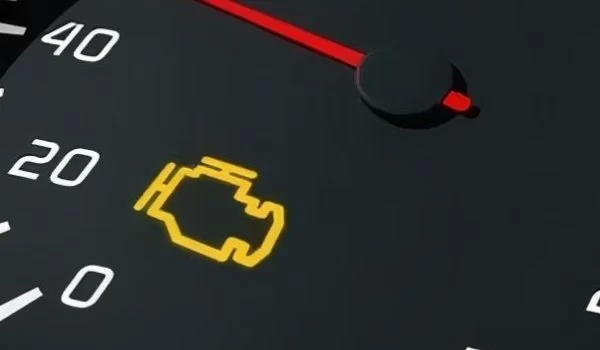
Every driver has seen it at least once—the sudden glow of the check-engine light on the dashboard. Sometimes it disappears after a restart, and other times it stubbornly stays on. But when a check-engine code means trouble, ignoring it can lead to expensive repairs, dangerous breakdowns, or complete engine failure.
Not all engine codes are emergencies, but some demand immediate attention. Understanding the difference can protect your wallet and, more importantly, your safety on the road.
O'Reilly Auto Parts
309 W Pleasant Valley Rd, Oxnard, CA 93033, USA
2. Why Some Check-Engine Codes Are More Dangerous
Modern vehicles use sensors to monitor everything from fuel flow to exhaust emissions. When something falls outside normal ranges, the system generates a code. Some problems are minor, like a loose gas cap. Others point to serious mechanical trouble.
US Smog Check
14452 Pipeline Ave, Chino, CA 91710, USA
2.1 The Difference Between Warning and Emergency Codes
Minor codes often relate to emissions efficiency or temporary sensor errors. Dangerous codes usually involve misfires, oil pressure, coolant temperature, or internal engine timing. These can escalate fast if the vehicle continues operating under stress.
3. Engine Codes That Need Immediate Attention
Certain codes consistently show up in emergency roadside situations. These codes often signal conditions where driving should stop as soon as it is safe to do so.
3.1 Misfire Codes That Can Destroy the Catalytic Converter
Misfire-related codes often indicate that one or more cylinders are not burning fuel properly. This sends unburned fuel into the exhaust system, which can overheat and destroy the catalytic converter—a costly repair that can exceed several thousand dollars.
3.2 Oil Pressure and Lubrication Failure Codes
Low oil pressure codes are among the most dangerous. Without proper lubrication, engine components grind against each other, causing catastrophic damage within minutes. If this light appears, the vehicle should be turned off immediately.
3.3 Overheating and Coolant System Warnings
Temperature-related codes indicate that the engine is overheating. Continued driving can warp cylinder heads, crack engine blocks, and permanently damage internal components.
4. What Happens If You Ignore Serious Codes
Many drivers delay repairs hoping the problem will resolve itself. Unfortunately, mechanical systems rarely heal on their own. Small failures compound into large ones.
4.1 From Simple Sensor Failure to Full Engine Replacement
What begins as a misfire or overheating warning can evolve into piston damage, valve failure, or complete engine seizure. Repairs that could have cost hundreds end up costing thousands.
5. Real-Life Breakdown Stories From the Road
One commuter shared that his check-engine light began flashing on his morning drive but he continued to work. By the time he left that afternoon, the engine wouldn’t start. The cause was a cylinder misfire that destroyed the catalytic converter during the drive.
5.1 A Overheating Incident on a Family Trip
A family driving cross-state ignored a coolant warning thinking it was a faulty sensor. The engine overheated on the highway, leaving them stranded for hours and requiring a full cooling system rebuild.
6. How to Respond When the Light Comes On
If the check-engine light is solid, it often indicates a non-immediate issue that should still be diagnosed soon. If the light is flashing, it almost always signals a severe condition that should not be driven on.
6.1 Using a Diagnostic Scan Tool
Modern scan tools can read codes instantly and help determine whether the vehicle can safely move. Even many auto parts stores will scan codes at no cost.
6.2 Knowing When to Stop Driving
If you experience shaking, smoke, power loss, or excessive heat along with the check-engine light, the vehicle should be stopped immediately to prevent further damage.
7. Get Roadside Help With Rescue & Towing
When a check-engine code means trouble and the vehicle can’t be driven safely, professional roadside assistance becomes essential. Rescue & Towing provides dependable towing and recovery support when breakdowns happen unexpectedly.
Engine warnings are never pleasant, but the right response can turn a stressful situation into a manageable one. Understanding which codes require immediate action empowers drivers to protect their vehicles, their finances, and their safety on every road they travel.