
Sharp turns used to make me nervous when I first started driving long highway routes and winding back roads. I noticed that some cars seemed to glide through curves smoothly while others felt unstable or unpredictable. Over time, I learned that improving your car’s handling on sharp turns is a combination of driving technique, vehicle setup, and understanding how your car responds to road conditions.
Many drivers assume poor handling is simply part of owning an average vehicle, but in reality even small adjustments can dramatically improve cornering stability. Once I began paying attention to tire pressure, suspension condition, and steering habits, sharp turns became far less stressful and much more controlled.
Better handling is not only about performance. It is also about safety. Stable cornering reduces the risk of losing control and helps maintain traction during emergency maneuvers.
Understanding What Affects Cornering Performance
Before making changes, I found it helpful to understand what actually influences how a car behaves in sharp turns.
1. Weight Transfer During Turns
1.1 How Balance Changes
When a vehicle enters a sharp turn, weight shifts toward the outside wheels. This weight transfer affects traction and stability.
If too much weight shifts suddenly, the vehicle may feel unstable or lean excessively.
Smooth driving reduces sudden weight movement and improves control.
1.2 Importance of Gradual Inputs
Sudden steering or braking forces the car to react abruptly.
Controlled inputs allow the tires to maintain better contact with the road surface.
2. Tire Grip and Road Contact
2.1 Tire Condition
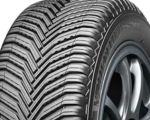
Tires are the most important factor in handling performance. Worn or uneven tires reduce traction, especially during sharp turns.
I once replaced a set of aging tires and immediately noticed that the car tracked curves with far more confidence.
Better tread depth improves cornering stability significantly.
2.2 Tire Pressure Adjustments
Incorrect tire pressure affects how tires contact the road.
Proper pressure helps maintain consistent grip.
Important checks include:
1. Monthly pressure inspection
2. Matching recommended values
3. Adjusting for temperature changes
4. Inspecting sidewall condition
Driving Techniques That Improve Handling
Driving technique alone can dramatically improve handling even without mechanical upgrades.
1. Proper Corner Entry
1.1 Reducing Speed Before Turning
The biggest improvement I made was learning to slow down before entering a turn instead of braking mid-corner.
Braking during a sharp turn reduces stability and can cause traction loss.
Controlled entry speed improves balance.
1.2 Choosing the Right Line
Positioning the car correctly allows smoother turns.
A wide entry followed by a gradual curve often provides better stability than a tight approach.
2. Smooth Steering Control
2.1 Avoiding Jerky Movements
Quick steering corrections can unsettle the vehicle.
Smooth steering keeps weight distribution predictable.
2.2 Maintaining Steady Pressure
Holding a steady steering angle helps maintain consistent traction.
Constant adjustments often reduce stability.
3. Throttle Control
3.1 Gentle Acceleration
Applying light throttle through a turn helps stabilize the car.
Sudden acceleration can cause wheel slip.
3.2 Balanced Power Delivery
Gradual throttle input improves traction.
This approach keeps the car composed throughout the turn.
Mechanical Improvements That Make a Difference
Once I improved my driving habits, I began looking at mechanical upgrades that improved handling further.
1. Suspension Maintenance
1.1 Shock Absorbers and Struts
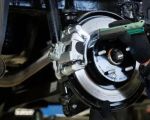
Worn shocks reduce stability and increase body roll.
Replacing aging suspension components can transform cornering performance.
Signs of worn suspension include:
1. Excessive bouncing
2. Nose diving during braking
3. Uneven tire wear
4. Loose steering feel
1.2 Alignment Adjustments
Wheel alignment affects how tires contact the road.
Correct alignment improves steering response and stability.
2. Steering System Condition
2.1 Tight Steering Response
A precise steering system improves control during sharp turns.
Loose steering reduces driver confidence.
2.2 Regular Inspections
Checking steering components ensures predictable handling.
Small issues can develop gradually without obvious symptoms.
Road Awareness and Safety
Even a well-prepared vehicle requires situational awareness.
1. Surface Conditions
1.1 Wet Roads
Water reduces tire grip.
Lower speeds improve safety.
1.2 Loose Gravel or Debris
Sharp turns on gravel require extra caution.
Reduced traction increases sliding risk.
2. Emergency Situations
2.1 Staying Calm
Overcorrection often causes more problems than the original issue.
Controlled steering inputs help regain stability.
2.2 Professional Assistance
If handling problems appear suddenly, mechanical inspection is important.
In situations where your vehicle becomes unsafe to drive, roadside assistance and towing services can help transport your vehicle safely to a repair facility for inspection.
Improving how to improve your car’s handling on sharp turns requires patience and attention to detail. With proper maintenance, thoughtful driving habits, and a clear understanding of vehicle behavior, even challenging curves can become smooth and predictable driving experiences.