
Essential Preparation for Long-Distance Driving: A Step-by-Step Guide
Long road trips are an exciting and often transformative experience, but to ensure they are enjoyable and safe, careful preparation is key. Having driven through hundreds of miles myself, I’ve learned that proper planning before embarking on a long-distance trip can make all the difference. Here’s how I get ready for a journey that covers hundreds or even thousands of miles.
1. Planning Your Route and Stops
One of the first things I do before hitting the road is map out my route. I use a combination of traditional maps and GPS apps to plan my journey, but I don’t just rely on technology. I make sure to research alternative routes in case of detours or unexpected closures. It's essential to check the weather forecasts for the entire trip. A sudden downpour, heatwave, or even snowstorm can impact the drive. I always make a list of potential rest stops, gas stations, and places where I can take a break and stretch my legs.
For long trips, I try to plan my stops in advance. I usually look for places to stop every few hours, whether it’s for gas, food, or a quick walk. On longer stretches, I always ensure there are accommodations available, especially if I’ll be driving late into the night. Making these plans ahead of time helps me avoid last-minute stress during the journey.
2. Preparing the Vehicle for the Road
As someone who’s driven long distances, I know the importance of vehicle preparation. The last thing you want is for your car to break down in the middle of nowhere, so I perform a thorough check on my vehicle. Here’s my list of essentials:
- Oil Change: Before a long drive, I always make sure my car has fresh oil. This helps with engine performance, especially when driving for extended hours.
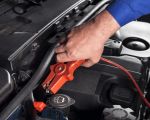
- Battery Check: I check the battery’s charge and condition. If it’s an older battery, I consider getting it tested or replaced to avoid potential breakdowns.
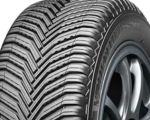
- Tires: I inspect all tires for any signs of wear or low air pressure. I also make sure the spare tire is in good condition and that the jack is accessible.
- Brakes: I always get the brake system checked before a long drive. You don’t want to risk having brake failure in heavy traffic or on winding mountain roads.
- Fluids: Apart from the oil, I make sure to check all essential fluids—coolant, brake fluid, power steering fluid, and windshield washer fluid. If any are low, I top them off.
- Lights and Signals: I test all the lights, including the headlights, brake lights, and turn signals. This is crucial for safety, especially if you’re driving at night.
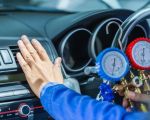
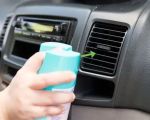
- Air Conditioning: If the weather is warm, I make sure my air conditioning is working properly. Staying cool and comfortable is vital for alertness and focus on the road.
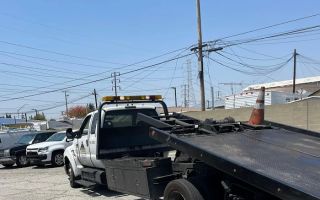
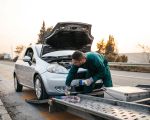
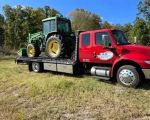
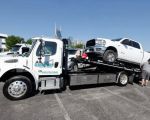
If I feel like something isn’t quite right during any of these checks, I don’t hesitate to take my car to a professional mechanic. It’s always better to fix potential issues before they turn into serious problems during the trip. And if you don’t want to worry about getting stranded in case of a breakdown, I suggest checking out services like Rescue & Towing for peace of mind.
3. Packing the Essentials
For me, packing is more than just throwing a few items in the back seat. I like to be prepared for any situation that might come up during the trip. Here’s my packing list:
- First Aid Kit: A well-stocked first aid kit is a must. I include things like bandages, antiseptic wipes, pain relievers, and any prescription medications I may need.
- Food and Water: I pack enough snacks to keep me energized—granola bars, nuts, and fruits are my go-to options. I also bring several bottles of water, as staying hydrated is important during long trips.
- Car Emergency Kit: This includes jumper cables, tire repair kits, a flashlight, and basic tools. These items are lifesavers if anything goes wrong on the road.
- Phone Charger and Backup: I always pack a car charger for my phone. I also bring a portable power bank just in case I need extra battery life while navigating or using apps.
- Entertainment: Long trips can feel endless, so I bring along audiobooks, playlists, and podcasts to keep me entertained and alert.
- Personal Comfort Items: For comfort during the journey, I pack a neck pillow, sunglasses, and a blanket, especially for overnight trips. These help make the long hours on the road a little more bearable.
Making sure I have all the essentials packed is a crucial part of my preparation. A well-prepared car means I can focus on the journey and not stress over forgotten items.
4. Preparing for Emergencies
Even with the best preparation, emergencies can still happen. This is why I always plan ahead for the unexpected. I make sure I have a few key things in place:
- Roadside Assistance: I make sure to have a reliable roadside assistance plan in case something goes wrong on the road. Services like Rescue & Towing can provide quick help if I need a tow or if my car breaks down.
- Emergency Contacts: I save a few emergency contact numbers in my phone. These include family members, roadside assistance, and a trusted towing service.
- Insurance and Registration: I double-check that my insurance and registration are up-to-date and that I have the necessary documents with me in the car.
While I hope I never need them, being ready for emergencies is a part of the journey that gives me peace of mind. It's always a good idea to prepare for the worst while hoping for the best.
5. Resting and Staying Alert
One of the most important factors in long-distance driving is staying alert. I’ve learned from experience that taking breaks is essential. Driving for long hours can cause fatigue, which impacts reaction times and decision-making. To combat this, I make sure to take breaks every 2-3 hours to stretch, walk around, and rehydrate. I also avoid driving late at night unless I’m well-rested. If I feel drowsy, I pull over and take a nap. Driving when tired is dangerous, and I’d rather arrive late than risk an accident.
Additionally, I try to drive with a companion when possible. Having someone else in the car can help break the monotony and also keep both of us alert. If I’m alone, I keep myself engaged by listening to podcasts or music that keeps me focused and awake.
6. Navigating Through Traffic and Road Hazards
Sometimes, no matter how much you prepare, unexpected challenges will pop up on the road. Whether it’s heavy traffic, road construction, or detours, I always stay flexible. I keep an eye on traffic updates and use navigation apps like Google Maps or Waze, which provide real-time traffic reports and suggest alternative routes. I also make sure my car is equipped with a proper GPS system, just in case my phone dies or loses signal in remote areas.
Road hazards, like construction zones or wildlife crossings, are also something to watch out for. I drive cautiously, especially at night when visibility can be reduced. I also make sure to adjust my speed for conditions, whether that means slowing down in the rain or on winding mountain roads.
All these preparations make the road trip smoother and more enjoyable. But even if I encounter unexpected challenges, I know that I’ve taken the steps to stay safe and keep my journey on track.