- 1. Understanding Dust Storms and Their Impact on Driving
- 2. How to Prepare for a Dust Storm While Driving
- 3. Safe Driving Tips During a Dust Storm
- 4. What to Do If You Get Caught in a Dust Storm
1. Understanding Dust Storms and Their Impact on Driving
Dust storms are powerful, unpredictable weather events that can significantly reduce visibility and create dangerous conditions for drivers. These storms occur when strong winds pick up loose dirt and debris from the ground, often in arid or semi-arid regions. The dust cloud can travel at high speeds, reducing visibility to near zero in a matter of seconds.
The impact of a dust storm on driving can be severe. When visibility is compromised, drivers may find it difficult to see road signs, other vehicles, or even lane markings. This can result in confusion, sudden braking, or even accidents. It's important to understand the risks and be prepared to handle these challenging driving conditions safely.
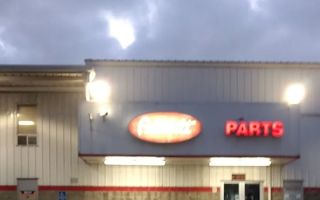
AutoZone Auto Parts
5701 Broadway, Bronx, NY 10463, USA
2. How to Prepare for a Dust Storm While Driving
Preparation is key when it comes to safe driving during a dust storm. Here are a few things you can do to be ready:
Costco Tire Center
1250 Old Country Rd, Westbury, NY 11590, USA
2.1 Check the Weather Forecast
Before heading out, always check the weather forecast for any dust storm warnings. Many weather apps and news outlets provide real-time information on storm conditions, so you can adjust your travel plans accordingly. If a dust storm is predicted, consider postponing your trip or finding an alternate route.
2.2 Keep Your Vehicle in Good Condition
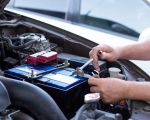
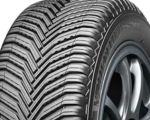
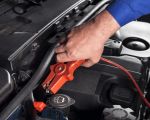
Dust storms can be harsh on your vehicle, so it’s important to ensure your car is in good working condition. Make sure your headlights, taillights, and wipers are functional, as visibility is crucial during low-visibility situations. Also, ensure that your brakes are responsive and tires are properly inflated to avoid accidents caused by poor road grip.
2.3 Pack Emergency Supplies
When traveling through areas prone to dust storms, always pack emergency supplies. This includes water, a first aid kit, extra clothing, and a fully charged phone. Having these items on hand can help you stay comfortable and safe in case you get caught in a storm or experience a breakdown.
3. Safe Driving Tips During a Dust Storm
If you find yourself driving in a dust storm, it's important to take specific actions to stay safe. Here are some key tips to follow:
3.1 Slow Down and Increase Following Distance
Driving at high speeds in a dust storm is dangerous. It reduces your ability to react quickly to changes in traffic or road conditions. Slow down and increase your following distance from other vehicles. This gives you more time to react if something unexpected happens, like a sudden stop or a vehicle changing lanes.
3.2 Use Your Headlights
Even if it’s daytime, use your headlights when driving in a dust storm. This helps other drivers see you and helps you see the road in front of you. However, avoid using your high beams, as they can cause glare and make it even harder to see.
3.3 Avoid Stopping on the Road
It may be tempting to stop if visibility becomes extremely poor, but stopping on the side of the road during a dust storm can be very dangerous. It increases the risk of other drivers not seeing you and causing a collision. Instead, if you absolutely need to stop, pull off the road into a safe area, such as a parking lot or rest area, and turn on your hazard lights.
3.4 Keep Windows Closed and Recirculate Air
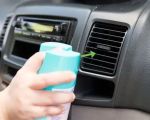
Dust storms can introduce a lot of particles into the air, making it difficult to breathe. Keep your car windows closed to prevent dust from entering. Additionally, set your car’s air system to recirculate to keep fresh air circulating inside and prevent dust from entering the cabin.
4. What to Do If You Get Caught in a Dust Storm
If you suddenly find yourself in the midst of a dust storm and visibility is significantly reduced, here’s what you should do:
4.1 Pull Over to a Safe Location
If you can no longer see the road or other vehicles, it’s best to pull over to a safe area. Look for a parking lot, rest stop, or wide shoulder. Do not pull over on the side of the road where your vehicle may be obstructed by other cars or vulnerable to accidents.
4.2 Stay Inside the Vehicle
Once you’ve pulled over, stay inside the vehicle with your seatbelt on. Dust storms can reduce visibility to near zero, and being outside can be risky due to the high winds and flying debris.
4.3 Wait for the Storm to Pass
Remain in your vehicle until the dust storm subsides. It’s important not to attempt to drive until the storm has passed and visibility improves. Keep your hazard lights on to alert other drivers to your location, but avoid using high beams, as they can reflect off the dust and make things worse.
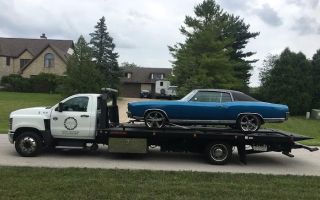
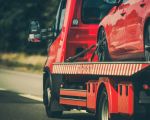
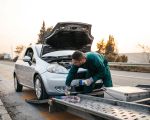
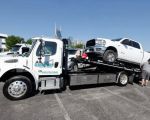
In the event that your vehicle breaks down or you are in need of assistance, consider reaching out to services like Rescue & Towing for roadside help. They can assist you in the event of an emergency, ensuring you stay safe until the storm clears.