- Understanding-the-Common-Causes-of-Highway-Car-Breakdowns
- Engine-and-Mechanical-Failures
- Electrical-Issues-and-Battery-Problems
- Tire-and-Brake-Related-Breakdowns
- How-to-Minimize-the-Risk-of-Breaking-Down-on-the-Highway
- Real-World-Examples-and-Professional-Assistance
1. Understanding the Common Causes of Highway Car Breakdowns
Highways are designed for fast, uninterrupted travel, but a sudden car breakdown can turn a smooth journey into a stressful ordeal. Many drivers wonder what causes cars to break down on highways so unexpectedly. Identifying these causes helps drivers prepare better and avoid potentially dangerous situations.
Breakdowns on highways differ from city driving failures mainly because of the higher speeds, longer distances, and limited safe spots to stop. Vehicles endure significant stress on highways, making certain components more vulnerable to failure. By understanding the root causes, drivers can become proactive rather than reactive during roadside emergencies.

Fletcher Jones Motorcars Service Center
3300 Jamboree Rd, Newport Beach, CA 92660, USA
1.1 The Importance of Regular Maintenance
Many highway breakdowns stem from neglected vehicle maintenance. Components that might function fine during short city trips can fail on long highway drives if not properly checked and serviced. This section explores why consistent upkeep is critical in preventing breakdowns.

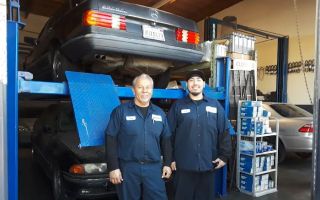
Downey Tires & Auto Repair.
9745-47 Washburn Rd, Downey, CA 90241, USA
2. Engine and Mechanical Failures
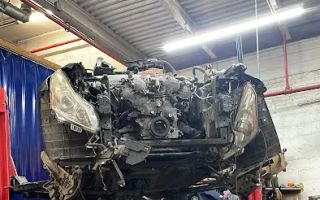
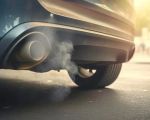
The engine is the heart of your vehicle, and when it malfunctions, the car can abruptly stop working. Overheating, oil leaks, or cooling system failures are some common engine-related causes of highway breakdowns.
2.1 Overheating Issues
High speeds combined with hot weather or heavy traffic can cause engines to overheat. This often happens if coolant levels are low or if the radiator is blocked. Overheating can lead to severe damage, sometimes requiring expensive repairs.
2.2 Transmission and Fuel System Problems
Transmission failures or clogged fuel filters can suddenly impair power delivery to the wheels. These issues might manifest as jerking, stalling, or complete loss of acceleration, leading to breakdowns in the middle of fast-moving traffic.
3. Electrical Issues and Battery Problems
Electrical failures are surprisingly common causes of highway car breakdowns. Modern vehicles rely heavily on electronics for ignition, fuel injection, and safety systems.
3.1 Dead or Failing Batteries
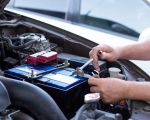
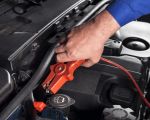
Batteries can fail without warning, especially if they are old or exposed to extreme temperatures. A dead battery prevents the engine from starting and may leave you stranded on the shoulder.
3.2 Alternator and Wiring Problems
The alternator charges the battery while driving, and if it fails, the battery will drain rapidly. Faulty wiring can also cause intermittent electrical failures, leading to sudden breakdowns.
4. Tire and Brake Related Breakdowns
Tires and brakes are critical safety components that, if neglected, often cause highway emergencies.
4.1 Blowouts and Tire Pressure Issues
Driving at highway speeds with underinflated or damaged tires increases the risk of blowouts, which can cause loss of control. Regularly checking tire pressure and tread condition is essential to prevent such dangerous failures.
4.2 Brake Failures
Brake problems, such as worn pads or fluid leaks, can reduce stopping power drastically. On highways, where speeds are higher, brake failure is particularly hazardous and a common cause of accidents and breakdowns.
5. How to Minimize the Risk of Breaking Down on the Highway
While some breakdowns are unpredictable, many can be avoided with proper vehicle care and smart driving habits.
5.1 Routine Vehicle Inspections
Conducting thorough checks before long highway trips—covering oil, coolant, brakes, tires, and battery—helps identify issues before they cause breakdowns.
5.2 Preparing an Emergency Kit
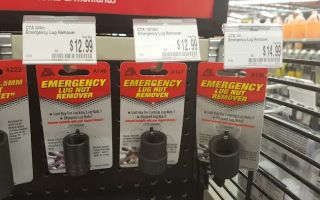
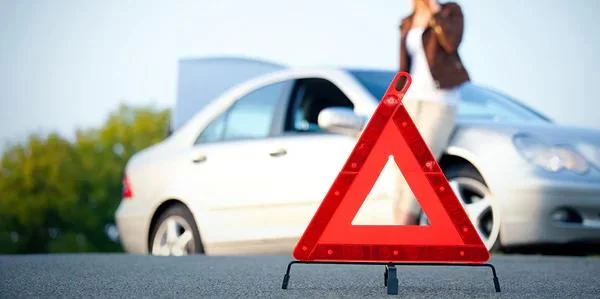
Carrying a kit with essentials such as jumper cables, a tire repair kit, flashlight, and reflective triangles improves your ability to manage minor breakdowns or wait safely for help.
5.3 Staying Alert to Early Warning Signs
Unusual noises, warning lights, or changes in driving feel should never be ignored. Recognizing these early signs often allows you to address problems before they escalate.
6. Real-World Examples and Professional Assistance
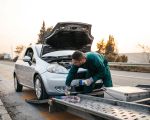
Consider the story of a driver who ignored a flickering battery warning light on the highway and was left stranded in freezing weather. The delay in seeking professional help worsened the situation until Rescue & Towing arrived promptly to assist and tow the vehicle to safety.
Another case involved a sudden tire blowout causing a hazardous situation on a busy interstate. The driver’s preparedness with a roadside emergency kit and quick call to Rescue & Towing prevented injury and ensured fast resolution.
These examples underscore the importance of understanding what causes cars to break down on highways and being ready with professional support. Rescue & Towing offers reliable, expert services tailored to highway emergencies, helping drivers get back on the road swiftly and safely.