- Signs Your Car Needs a New Alternator
- How the Alternator Works
- Common Signs Your Alternator is Failing
- What Causes Alternator Failures?
- How to Replace an Alternator
- Why Choose Rescue & Towing for Alternator Replacement
Signs Your Car Needs a New Alternator
Your car's alternator plays a crucial role in keeping your vehicle running smoothly. It’s responsible for generating power to recharge your battery and provide electricity to the car’s electrical systems while the engine is running. When the alternator starts to fail, it can lead to a series of issues that may affect the performance of your car. Understanding the signs of a failing alternator is essential for preventing breakdowns and avoiding further damage to your vehicle. In this article, we’ll discuss the common symptoms that indicate your alternator may need to be replaced, the causes of alternator failure, and how to address the problem before it leaves you stranded.

Pick Your Part - Help Yourself
1232 Blinn Ave, Wilmington, CA 90744, USA
How the Alternator Works
Before diving into the signs of a failing alternator, it’s helpful to understand how it functions. The alternator is a critical component of your car’s electrical system, generating power to keep the battery charged and supplying electricity to various parts of your vehicle, such as the lights, radio, and air conditioning. It is driven by the engine’s serpentine belt and works in tandem with the battery to keep your vehicle powered while it’s running.
The alternator converts mechanical energy from the engine into electrical energy through a process called electromagnetic induction. This electrical energy is then sent to the battery to keep it charged and ready to power your car’s electrical components. Without a functioning alternator, your car would quickly lose power, and the battery would drain, leading to a breakdown.

Pick Your Part - Greer
13054 E Wade Hampton Blvd, Greer, SC 29651, USA
Common Signs Your Alternator is Failing
When the alternator begins to fail, it can cause a range of symptoms. Recognizing these signs early can save you time, money, and hassle. Here are some of the most common indicators that your alternator may need replacing:
1. Warning Light on the Dashboard
Most modern vehicles are equipped with a warning light that indicates an issue with the alternator. This light, often shaped like a battery, will illuminate when the alternator is no longer charging the battery properly. If you see this warning light, it’s essential to get your alternator checked immediately to prevent further damage to the battery and electrical system.
2. Dimming or Flickering Lights
If you notice that your headlights or interior lights are dimming or flickering, it could be a sign of a failing alternator. As the alternator weakens, it may not be able to provide consistent power to the car’s electrical systems, causing the lights to behave erratically. This is a classic symptom of alternator failure, particularly when it occurs while driving at low speeds or idling.
3. Electrical Malfunctions
When the alternator is not functioning correctly, other electrical systems in your car, such as the power windows, radio, or air conditioning, may start to malfunction. If you notice that multiple electrical components are acting up or not working at all, the alternator could be to blame. A malfunctioning alternator may not provide enough power for these systems to operate correctly.
4. Dead Battery
If your car’s battery repeatedly dies or struggles to start the vehicle, the alternator could be the culprit. The alternator is responsible for keeping the battery charged, so when it fails, the battery will quickly lose power and won’t have enough charge to start the car. If you’ve recently replaced the battery and the issue persists, it’s likely a problem with the alternator.
5. Strange Noises from the Engine
In some cases, a failing alternator can cause unusual noises from the engine. These noises may include a grinding or whining sound, which can indicate that the alternator’s bearings are worn out. If you hear these sounds, it’s essential to have your alternator inspected as soon as possible to avoid further damage to the component.
What Causes Alternator Failures?
There are several reasons why an alternator may fail. Understanding the causes can help you prevent premature failure and extend the lifespan of your alternator. Here are the most common causes of alternator problems:
1. Wear and Tear
Like any mechanical part, the alternator can wear out over time. As the alternator ages, its internal components, such as the bearings and brushes, can deteriorate, leading to reduced performance and eventual failure. Regular use of the vehicle and exposure to heat and vibration contribute to this natural wear and tear.
2. Electrical Issues
Electrical problems, such as a faulty voltage regulator or damaged wiring, can also cause alternator failure. The voltage regulator controls the amount of charge sent to the battery, and if it malfunctions, it can lead to overcharging or undercharging of the battery, causing the alternator to fail.
3. Overheating
Excessive heat can also shorten the lifespan of the alternator. Overheating can result from poor ventilation, a blocked cooling fan, or other issues within the engine. When the alternator is exposed to high temperatures for extended periods, it can cause internal components to degrade and eventually fail.
4. Belt Problems
The alternator is driven by the engine’s serpentine belt. If this belt becomes loose, worn, or damaged, it can prevent the alternator from operating efficiently, leading to poor charging performance and eventual failure. Regular inspection of the belt is important to ensure that it is in good condition.
How to Replace an Alternator
If your alternator is failing or has completely stopped working, it’s essential to replace it as soon as possible. Replacing an alternator is a job that can often be done by a professional mechanic. However, if you're comfortable with car repairs, you can replace the alternator yourself by following these steps:
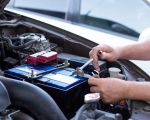
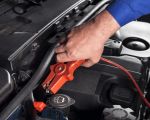
1. Disconnect the Battery
Before beginning any repair work, disconnect the negative terminal of the battery to avoid any electrical accidents.
2. Remove the Serpentine Belt
The next step is to remove the serpentine belt that powers the alternator. Use a wrench to loosen the tension on the belt, then remove it from the alternator pulley.
3. Disconnect the Wiring
Disconnect the electrical connections to the alternator. These will typically include the charging wire and the voltage regulator connection. Be sure to label the wires to avoid confusion when reconnecting the new alternator.
4. Remove the Alternator
Remove any bolts securing the alternator to the engine and carefully remove the alternator from its mount. If necessary, use a jack to support the engine while removing the part.
5. Install the New Alternator
Place the new alternator in the mounting bracket and secure it with the bolts. Reconnect the electrical wires, ensuring each connection is tight and secure. Finally, reinstall the serpentine belt and check for proper tension.
Why Choose Rescue & Towing for Alternator Replacement
If you're experiencing alternator problems or need help with a breakdown, Rescue & Towing is here to assist. Our experienced technicians can diagnose alternator issues quickly and provide professional replacement services to get you back on the road. With our prompt and reliable service, you can trust us to handle all your vehicle’s electrical system needs. Contact Rescue & Towing today for expert alternator replacement and roadside assistance.