How to Keep Your Engine Cool During Hot Weather
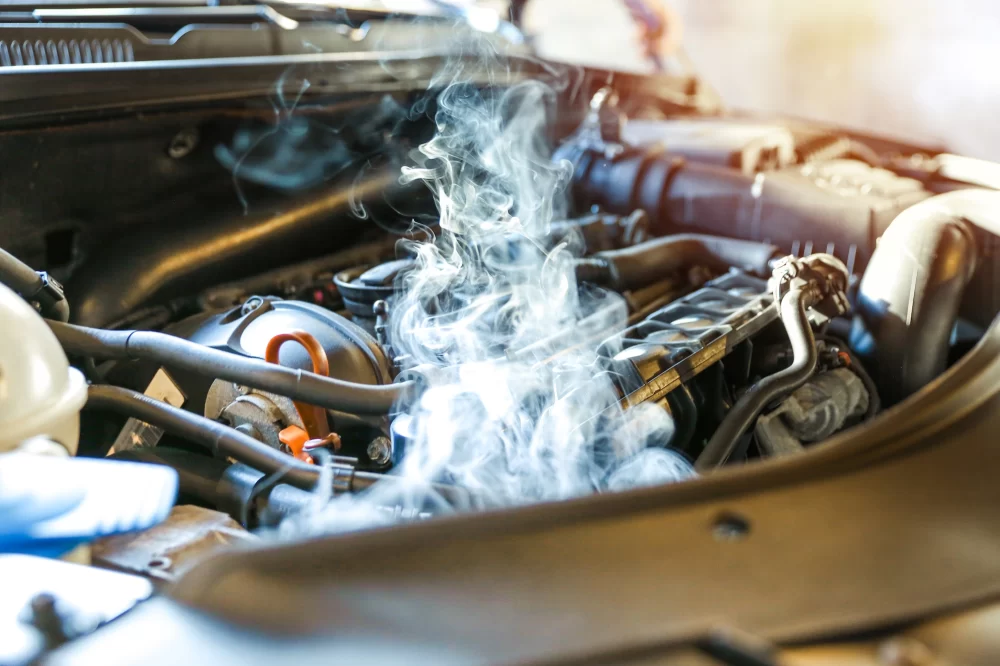
If you've ever been stuck on the side of the road in the middle of a scorching summer day with an overheated engine, you know just how stressful it can be. I had my first real experience with engine overheating on a hot summer afternoon, driving on a highway with no signs of relief. My engine temperature gauge started creeping up, and I realized I was about to face a situation I hadn’t properly prepared for. Since then, I’ve learned a lot about how to prevent engine overheating during hot weather, and I want to share these tips with you so you can avoid the same nightmare I had.

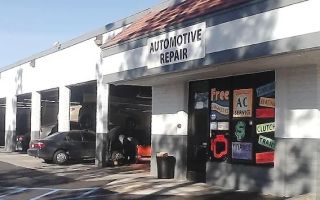
Walter's Auto Repair
5508 Atlantic Ave, Long Beach, CA 90805, USA
1. What Causes Engine Overheating in Hot Weather?
Overheating can happen for a variety of reasons, but hot weather certainly exacerbates the problem. The engine cooling system, which includes the radiator, water pump, coolant, thermostat, and hoses, is responsible for keeping the engine temperature at a safe level. During extremely hot days, this system can be put under additional stress. Here are the primary factors contributing to overheating:
- Low Coolant Levels: If your car’s coolant is low or running out, it can’t effectively absorb and dissipate the heat from the engine. I remember once my coolant levels were too low, and it caused the engine to overheat in the middle of a traffic jam on a hot day.
- Faulty Thermostat: The thermostat controls the flow of coolant through the engine. If it gets stuck closed, the coolant won’t circulate properly, causing the engine to overheat. I had this happen once, and my car’s engine temperature started rising rapidly until I noticed the issue.
- Blocked Radiator: The radiator works to release the heat absorbed by the coolant. Dirt, debris, or even bugs can block the radiator fins, preventing it from cooling the engine efficiently, especially during high temperatures.
- Broken Water Pump: The water pump is responsible for circulating the coolant through the engine. If it’s broken or malfunctioning, the coolant can’t move properly, leading to overheating. I once had a water pump fail on me during a cross-country road trip, and it resulted in a huge delay and repair costs.
- Leaking Hoses: Hoses carrying coolant from one part of the engine to another can crack or develop leaks, causing coolant to escape. This happened to me on a hot day when a small hose leak led to my car losing coolant and overheating.
2. How to Prevent Engine Overheating During Hot Weather
While it’s impossible to control the weather, there are a number of proactive steps I take to ensure that my car doesn’t overheat during hot weather. Preventing an overheating engine requires regular maintenance and some smart driving habits. Here are the top tips I follow to avoid engine overheating:
Nava Auto Repair
38950 30th St E C, Palmdale, CA 93550, USA
2.1. Regularly Check Coolant Levels and Condition
One of the first things I learned about preventing overheating is that coolant is essential for regulating the engine's temperature. I check my car’s coolant levels regularly—especially before long trips or during summer. If the coolant is low, I top it up with the recommended coolant type for my car. In addition, I check the condition of the coolant. If it looks dirty or murky, it’s time for a coolant flush. A coolant flush is a simple maintenance task that removes contaminants and ensures the system works at peak efficiency.
2.2. Monitor the Temperature Gauge
Another important tip I’ve picked up is to keep an eye on the engine’s temperature gauge while driving, especially on hot days. Most cars have a temperature gauge on the dashboard that lets you know when the engine is getting too hot. If I notice the gauge moving into the red zone, I pull over safely and turn off the engine to avoid damage. By regularly monitoring the gauge, I can catch overheating early and prevent major engine damage.
2.3. Keep the Radiator Clean
Over time, dirt, bugs, and debris can accumulate on the radiator and prevent it from dissipating heat effectively. I make sure to wash the front of my radiator every few months to clear away any blockages. A clean radiator can be more efficient at keeping the engine cool, even in hot weather. I also check for any signs of damage to the radiator fins, which could lead to reduced airflow and inefficient cooling.
2.4. Maintain the Water Pump
The water pump is a crucial part of the engine cooling system, and I’ve learned the hard way that a malfunctioning water pump can cause an engine to overheat quickly. I have my water pump inspected regularly, especially before long road trips, to ensure it’s in good working condition. If I notice any strange noises coming from the water pump or if the temperature gauge starts rising suddenly, I have it checked right away.
3. What to Do When Your Engine Starts Overheating
Even if you take all the necessary precautions, sometimes overheating can still happen. It happened to me once when I was stuck in heavy traffic on a 100-degree day. Here’s what I did to safely handle the situation:
3.1. Turn Off the Air Conditioning
When the engine starts to overheat, one of the first things I do is turn off the air conditioning. AC puts additional load on the engine, so shutting it off reduces the strain. I open the windows instead to keep myself cool while driving or idling.
3.2. Turn On the Heater
It may sound counterintuitive, but turning on the car’s heater can help dissipate some of the heat from the engine. The heater works by circulating hot air from the engine into the cabin, which temporarily lowers the engine’s temperature. I’ve used this trick a few times when I’ve been on the verge of overheating, and it really does help.
3.3. Pull Over and Turn Off the Engine
If the temperature gauge keeps rising, it’s important to pull over as soon as it’s safe to do so and turn off the engine. Let the car cool down for at least 15-30 minutes before attempting to restart it. This gives the engine time to cool and reduces the risk of further damage.
3.4. Check for Leaks and Issues
Once the engine cools down, I check under the car for any signs of coolant leaks. If I notice coolant pooling under the car or on the ground, it’s a sign that there’s a problem with the cooling system, and I need to address it immediately. I also check the radiator cap and hoses for any visible cracks or damage. If everything looks okay, I might try adding more coolant and continuing on my way, but I always keep an eye on the temperature gauge after that.
4. When to Call for Help
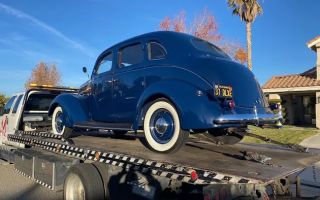
If your engine continues to overheat or you notice significant damage, such as a blown radiator or broken water pump, it’s time to call for professional help. I learned from experience that ignoring overheating problems can cause serious damage, leading to expensive repairs. If I’m unable to resolve the issue on my own, I call a towing service to take my car to a mechanic for further inspection.
If you're facing engine cooling issues in hot weather, don't hesitate to reach out to Rescue & Towing for reliable towing and roadside assistance services to help you safely get back on the road.