
- 1. Understanding the Impact of a Long Driving Break
- 2. Essential Car Inspections Before Driving Again
- 3. Checking Tires and Brakes After a Long Break
- 4. Fluid Checks and Oil Changes: Why They Matter
- 5. Testing the Battery and Electrical Systems
- 6. Getting Back on the Road Safely: Tips and Reminders
- 7. Explore Helpful Services at Rescue & Towing
1. Understanding the Impact of a Long Driving Break
After a prolonged break from driving, such as during a snowy winter season or a long vacation, your vehicle may not be in the same condition as it was when you last used it. Several factors can affect the performance of your car, including temperature fluctuations, inactivity, and the potential for certain parts of the car to degrade or malfunction. These issues can make resuming driving after a break a bit tricky if proper maintenance is not performed first.
It's important to recognize that your car has been sitting idle for a while, and the systems within it may need a little extra attention before you head out on the road. Whether you're getting back to commuting after a long winter break or resuming weekend drives after a summer vacation, taking the time to inspect your car is key to ensuring a safe and smooth ride.
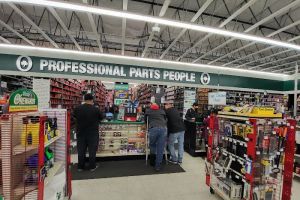
O'Reilly Auto Parts
1799 Story Rd, San Jose, CA 95122, USA
2. Essential Car Inspections Before Driving Again
When you’re preparing to drive again after a long break, there are a few key areas to inspect to make sure your car is roadworthy. These inspections can help prevent breakdowns and ensure that your car is safe for you and your passengers. Here are some of the most important things to check:
- Tires: Tires are one of the most critical aspects to inspect. Check for any visible cracks, punctures, or signs of wear. Be sure to check the tire pressure as well, as tires can lose air over time. Under-inflated tires can be dangerous and reduce your car’s fuel efficiency.
- Brakes: Brake pads can become worn, especially if the car has been sitting idle. Test your brakes carefully before taking a long drive. If you hear any unusual noises or feel a decrease in braking efficiency, have them inspected by a professional.
- Fluid Levels: Make sure your car’s oil, coolant, and other essential fluids are at the proper levels. Running your car with low or old fluids can lead to engine damage and poor performance.
3. Checking Tires and Brakes After a Long Break
Tires and brakes are two of the most critical safety components to check before resuming driving after a prolonged break. Here's why:
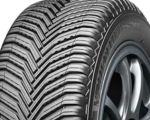
- Tires: Prolonged inactivity can cause tires to lose air or develop flat spots, especially if they’ve been exposed to cold weather. If you notice that your tires look deflated or uneven, it’s important to get them inspected and possibly rotated or replaced.
- Brakes: Brake pads can sometimes seize up when a car sits idle for a long period. This is especially true in cold weather conditions, where salt and moisture can cause corrosion. Make sure the brakes are functioning smoothly and check for any unusual sounds or vibrations when you press the pedal.
4. Fluid Checks and Oil Changes: Why They Matter
During extended breaks, your car’s oil and other fluids may need attention. Here's why it's crucial to check:
- Oil Changes: Old or dirty oil can cause engine wear and tear, especially if left sitting in the engine for months. It's always a good idea to change the oil before getting back on the road.
- Coolant and Other Fluids: Ensure that your coolant, brake fluid, and transmission fluid are at the correct levels. If the fluid looks dirty or low, consider having it replaced to avoid potential engine or system failures.
5. Testing the Battery and Electrical Systems
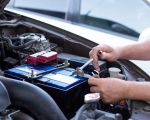
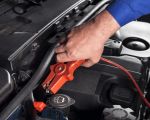
Your car’s battery can also be affected by long periods of inactivity. Cold weather, in particular, can reduce a battery’s efficiency. Before heading out, it's essential to test the battery to ensure it holds a charge and is operating properly. If the battery appears weak or old, it may need to be replaced.
Additionally, check all lights and electrical systems, including headlights, turn signals, and brake lights. These are crucial for your safety and ensuring other drivers can see you clearly on the road.
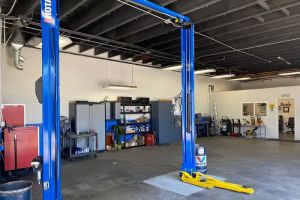
J & L Automotive LLC | Honda & Acura Repair Simi Valley
2032 Sinaloa Rd, Simi Valley, CA 93065, USA
6. Getting Back on the Road Safely: Tips and Reminders
Once you've conducted all the necessary inspections and maintenance, it's time to hit the road. However, before doing so, here are a few safety tips to keep in mind:
- Drive Cautiously: After a break from driving, it’s normal to feel a little rusty. Start by driving at low speeds and gradually increasing your confidence on the road. Avoid heavy traffic or long-distance drives on your first day back.
- Be Aware of Road Conditions: Weather conditions can change quickly, especially if you’ve been away for a while. Check the forecast and be prepared for any unexpected weather, especially in the winter months when snow and ice can still affect road safety.
- Take Regular Breaks: If you're driving long distances after a break, be sure to take regular breaks to stretch and rehydrate. This will help keep you alert and reduce the risk of fatigue.
7. Explore Helpful Services at Rescue & Towing
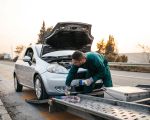
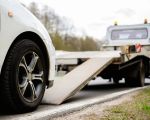
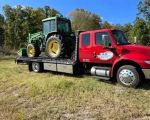
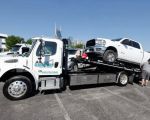
If you're worried about your vehicle not being ready after a long break, don’t hesitate to reach out to services like Rescue & Towing. Whether you need roadside assistance, a jump start, or towing to a repair shop, they are there to ensure that you can resume driving without any stress.
Visit Rescue & Towing today to explore their services and find out how they can help you get back on the road safely and with confidence.