- Why Replace Car Battery Terminals?
- Tools and Preparation for Replacement
- Step-by-Step Guide to Replace Car Battery Terminals
- Common Problems and Solutions When Replacing Terminals
- Professional Help and Product Recommendations
1. Why Replace Car Battery Terminals?
Car battery terminals are critical for ensuring a stable electrical connection between your vehicle's battery and the car’s electrical system. Over time, these terminals can corrode or become damaged due to exposure to moisture, road salts, or battery acid leakage. This corrosion not only disrupts the power supply but can also lead to starting problems or electrical system failures.
Replacing car battery terminals is often a necessary part of car battery maintenance. While some people may attempt to simply clean the corrosion, severely worn or damaged terminals must be replaced to avoid frequent breakdowns. For example, a friend of mine recently faced a frustrating situation where his car refused to start during a freezing winter morning. Upon inspection, the battery terminals were heavily corroded and needed replacement to restore reliable function.

NTB-National Tire & Battery
6315 Prentiss School Dr, Canal Winchester, OH 43110, USA
Understanding Terminal Corrosion
Corrosion on battery terminals typically appears as a white, ashy buildup, sometimes greenish-blue. This buildup can hinder electrical contact, reducing battery efficiency. Left unattended, corrosion can cause permanent damage to the terminals or the battery posts, making replacement the best solution.

Pep Boys
1200 W Washington Blvd, Los Angeles, CA 90007, USA
2. Tools and Preparation for Replacement
Before starting the terminal replacement process, gather the necessary tools and materials. Proper preparation ensures a smooth and safe procedure.
Essential Tools
- Wrench or socket set (typically 10mm for battery terminals)
- Wire brush or battery terminal cleaner
- Protective gloves and eyewear
- Battery terminal cleaner spray or baking soda solution
- New battery terminals compatible with your battery type
- Petroleum jelly or dielectric grease
Safety First
Always wear protective gloves and eyewear to prevent injury from acid residue or accidental sparks. Disconnecting the battery safely is crucial: always remove the negative terminal first to reduce the risk of short circuits.
3. Step-by-Step Guide to Replace Car Battery Terminals
Step 1: Disconnect the Battery
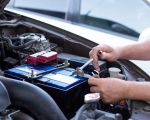
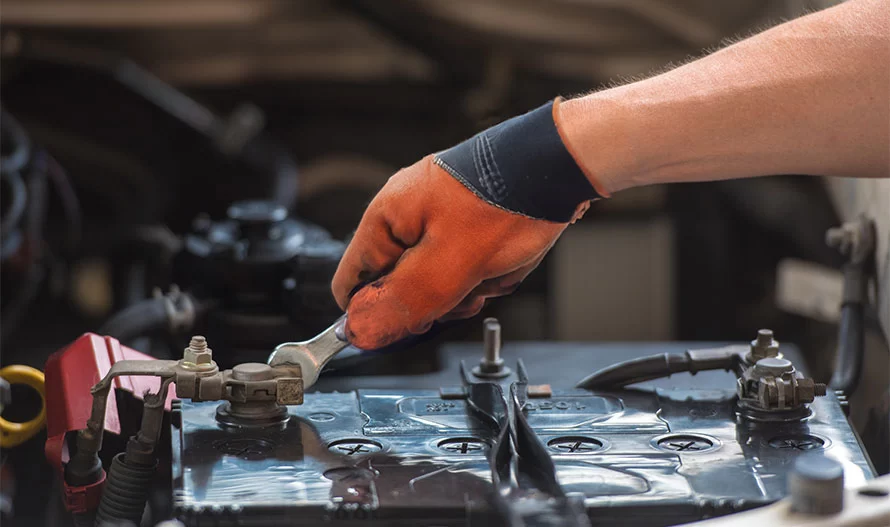
Start by turning off your vehicle and removing the key. Locate the battery, typically found under the hood. Using a wrench, loosen the nut on the negative terminal clamp and carefully remove the cable. Repeat this for the positive terminal.
Step 2: Remove Old Terminals
After disconnecting the cables, inspect the terminals. If heavily corroded or damaged, remove them by loosening any clamps or screws holding them in place. Use a wire brush to clean the battery posts themselves, removing any corrosion.
Step 3: Install New Terminals
Attach the new battery terminals to the cleaned battery posts. Make sure they fit snugly to ensure a solid electrical connection. Tighten the clamps securely but avoid over-tightening, which could damage the battery posts.
Step 4: Reconnect Battery Cables
Reattach the battery cables to the new terminals, starting with the positive terminal first, then the negative terminal. Apply a small amount of petroleum jelly or dielectric grease to the terminals to prevent future corrosion.
Step 5: Test the Connection
Start the vehicle to check if the battery terminals are functioning properly. The engine should start smoothly without hesitation, indicating a good electrical connection.
4. Common Problems and Solutions When Replacing Terminals
Loose Connections
One frequent issue is loose terminal connections, which cause intermittent electrical problems. Ensuring the clamps are properly tightened but not overtightened solves this.
Severe Corrosion or Damage
If corrosion extends beyond terminals to battery cables or posts, replacement of those parts might be necessary. Ignoring such damage can lead to repeated failures.
Battery Drain After Replacement
Sometimes, after replacing terminals, users notice battery drain. This may result from poor installation or an underlying electrical fault, which should be diagnosed by a professional.
5. Professional Help and Product Recommendations
While replacing car battery terminals is a task many can perform at home with proper tools and care, some situations require professional assistance. For instance, complicated electrical systems in modern cars or persistent battery issues are best handled by experts.
For reliable products and professional service related to battery terminal replacement and car battery maintenance, check out Rescue & Towing. They offer a range of quality terminals, cleaning tools, and expert advice to keep your car’s battery system in top condition.
In summary, learning how to replace car battery terminals is a valuable skill that can save you from inconvenient breakdowns and costly repairs. With the right tools, knowledge, and care, you can maintain a healthy battery connection and extend your vehicle’s electrical system life.