- 1 - Why a Track Day Inspection Matters
- 2 - Brakes and Tires: The Foundation of Safety
- 3 - Checking Fluids and Engine Components
- 4 - Essential Safety Equipment for Track Days
- 5 - Interior and Exterior Inspection Points
- 6 - Expert Tips and Real-World Stories
1 - Why a Track Day Inspection Matters
For any motorsport enthusiast, preparing for a track day inspection is non-negotiable. It ensures your car is safe, track-ready, and capable of handling high speeds without failure. Event organizers take inspections seriously because they safeguard not only you but also other drivers on the circuit. Skipping steps or cutting corners can result in denied entry or worse, dangerous accidents. Much like professional towing services such as Rescue & Towing prioritize safety in every job, proper inspection builds the foundation for a worry-free race day.

Pick Your Part - Help Yourself
1232 Blinn Ave, Wilmington, CA 90744, USA
2 - Brakes and Tires: The Foundation of Safety
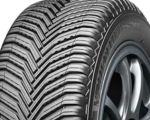
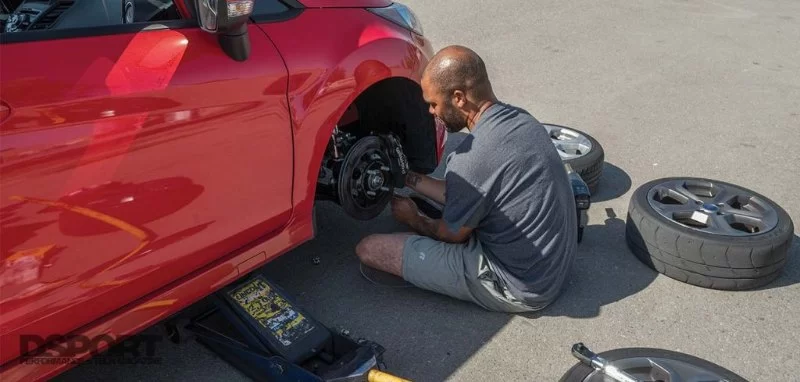
Your braking system and tires are the first things inspectors scrutinize. Brake pads must have sufficient thickness, and rotors should be free from cracks or warping. Tires need the right tread depth, appropriate heat rating, and no visible damage. A driver once failed inspection at a popular U.S. track because of a minor sidewall bulge in a rear tire, proving how thorough officials can be. Ensuring these elements are in top shape not only helps you pass inspection but also enhances your lap performance.

Pick Your Part - Greer
13054 E Wade Hampton Blvd, Greer, SC 29651, USA
3 - Checking Fluids and Engine Components
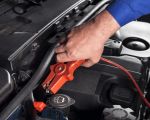
Before arriving at the track, check all fluid levels: oil, coolant, brake fluid, and power steering. Leaks are one of the most common reasons cars fail inspection. A small oil drip at high speeds can quickly turn into a fire hazard. Inspectors also confirm that your battery is secure and your belts and hoses are intact. Seasoned track drivers recommend changing your oil before an event, as fresh oil helps engines handle extended high RPM conditions. These small details can save you from costly breakdowns during your run.
4 - Essential Safety Equipment for Track Days
Track inspections extend beyond mechanical components to include personal and vehicle safety equipment. At minimum, you’ll need a certified helmet, while some tracks require fire extinguishers, harnesses, or roll cages depending on the class of event. One participant shared a story online about failing inspection simply because his fire extinguisher was unsecured in the trunk. Inspectors view unsecured items as hazards that can become projectiles in a crash. Investing in the proper gear ensures both compliance and peace of mind when pushing your limits.
5 - Interior and Exterior Inspection Points
Inside your car, the interior must be free from loose objects—everything from floor mats to coffee cups must be removed. Exteriors are checked for cracked windshields, working headlights, brake lights, and turn signals. Inspectors also verify that tow hooks are accessible in case your car needs assistance. This detail often gets overlooked, but without visible tow points, cars can be denied track entry. Services like Rescue & Towing highlight the importance of having proper recovery options in any vehicle situation, whether on the road or at the track.
6 - Expert Tips and Real-World Stories
Experienced drivers emphasize creating a personalized checklist before every track day. Items like torqueing wheel nuts, topping off fluids, and ensuring proper tire pressures are critical. A viral story in motorsport forums told of a driver who forgot to secure his hood pins, resulting in his hood flying open at 120 mph. These anecdotes reinforce why inspections are not mere formalities—they’re lifesaving measures. If you want to avoid expensive mistakes or embarrassing failures, thorough preparation is the key. For drivers who want extra support, resources from trusted providers like Rescue & Towing can guide you through best practices.
Preparing your car for a track day inspection is about discipline, attention to detail, and respect for safety protocols. When done right, it sets you up for an unforgettable, adrenaline-filled experience on the track.