- 1-understanding-the-role-of-cv-joints-and-why-problems-occur
- 2-common-warning-signs-including-clicking-shuddering-or-grease-leaks
- 3-how-to-maintain-cv-joints-and-axles-before-damage-happens
- 4-real-world-cv-joint-failure-stories-and-what-we-can-learn
- 5-preventive-care-and-when-to-seek-professional-help
- 6-how-rescue-and-towing-supports-drivers-facing-cv-joint-or-axle-issues
1. Understanding the Role of CV Joints and Why Problems Occur
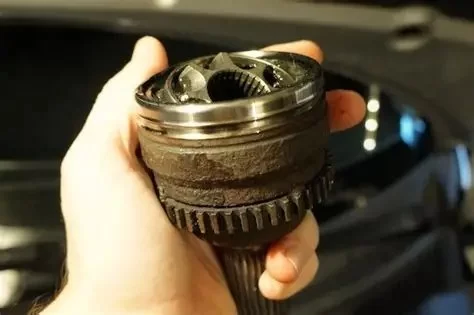
CV joints and axles are essential parts of your vehicle’s drivetrain, allowing your front wheels to receive power while turning smoothly. These components undergo immense pressure every time the vehicle accelerates, brakes, or maneuvers through tight turns. Because they move in multiple directions, they rely on protective boots filled with grease to operate smoothly.
Damage often begins with something as simple as a torn boot. Once the rubber cracks or splits, grease flees the joint, leaving it exposed to dirt, moisture, and road debris. Over time, this contamination leads to friction, grinding, and eventually failure. Many drivers don’t realize this is happening until the symptoms become impossible to ignore.
Understanding how these parts work makes it easier to maintain them properly and avoid catastrophic axle failure on the road.
Greased Lightning
1240 Crossing Meadows Dr, Onalaska, WI 54650, USA
2. Common Warning Signs: Clicking, Shuddering, or Grease Leaks
When CV joints or axles begin to fail, they almost always give early clues. Recognizing these symptoms can save you from expensive repairs or dangerous breakdowns.
Greased Lightning
1240 Crossing Meadows Dr, Onalaska, WI 54650, USA
2.1 Clicking Noises While Turning
A rhythmic clicking sound during turns is one of the most classic signs of a worn outer CV joint. The noise typically grows louder when accelerating through tight corners. If ignored, the clicking will eventually transition into grinding or popping as the joint deteriorates.
2.2 Vehicle Shuddering During Acceleration
Shuddering or vibration under load often points to axle-related issues. When CV joints wear unevenly or lose lubrication, they no longer rotate smoothly. This causes shaking that’s especially noticeable when climbing hills or accelerating onto highways.
2.3 Grease Leaks Around Wheels or Under the Car
One of the earliest and easiest signs to catch is a leaking CV boot. Grease may sling across the inside of your wheels or appear as dark splatter marks under the vehicle. A leaking boot doesn’t always mean the joint is ruined—but it must be addressed quickly to avoid further damage.
3. How to Maintain CV Joints and Axles Before Damage Happens
Routine maintenance is the key to preventing costly CV joint and axle failures. Even though these parts are engineered to last, they benefit greatly from consistent inspection and care.
3.1 Inspect CV Boots Regularly
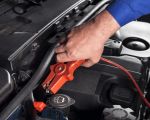
The condition of the rubber boot is the best indicator of CV joint health. Look for cracks, tears, or loose clamps—especially after driving in harsh weather, gravel roads, or salt-treated winter conditions. If the boot is damaged, replacing it immediately can preserve the joint and prevent debris from entering.
3.2 Keep an Eye on Leaks and Grease Patterns
Any unusual grease splatter around your wheels should be taken seriously. Even a small leak means the joint is no longer protected properly. Drivers who act quickly often avoid full CV joint replacements by repairing the boot early.
3.3 Listen to Your Car When Turning or Accelerating
Your vehicle communicates more than you think. Clicking, clunking, or shuddering are all signs that the CV system is struggling. Addressing these sounds early can prevent axle failure.
3.4 Schedule Professional Inspections
Even if you feel confident visually checking your vehicle, professional technicians can identify issues before they become noticeable. Regular vehicle inspections ensure your CV joints and axles remain in good condition throughout the year.
4. Real-World CV Joint Failure Stories and What We Can Learn
Real experiences help illustrate why CV joint maintenance is so important. One Missouri driver shared how a faint clicking noise while turning began only occasionally. He brushed it off as “normal wear.” Within two months, the clicking became loud enough to hear over the radio. On a rainy night, the axle finally gave out while he attempted a turn into a parking lot, leaving his car immobile at the entrance.
Another driver described spotting grease on the inside of her rims but assumed it was brake dust. After a long-distance interstate trip, the joint overheated and nearly seized, causing severe shuddering. A simple boot replacement early on could have prevented a $600 repair later.
These stories are common, yet preventable. They emphasize how small symptoms shouldn’t be ignored—and how routine care can save both money and stress.
5. Preventive Care and When to Seek Professional Help
No matter how vigilant you are, there comes a time when professional intervention is necessary. CV joints are precision components, and improper repairs can lead to further damage or safety risks.
5.1 When Clicking or Vibration Becomes Consistent
If noises are happening every time you drive, immediate inspection is essential. Consistency usually means the joint is significantly worn and may fail soon.
5.2 When Grease Is Actively Dripping
Any active leak indicates a torn boot or compromised seal. Ignoring this will accelerate joint wear and eventually cause axle failure.
5.3 Before Long Road Trips
Planning a vacation or a long-distance drive? Always have your car checked beforehand. CV joint issues worsen under sustained speed and load, and drivers are far more likely to experience breakdowns during extended travel.
6. How Rescue & Towing Supports Drivers Facing CV Joint or Axle Issues
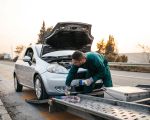
For those dealing with clicking noises, axle shuddering, or sudden failure on the road, Rescue & Towing provides guidance and professional assistance. Many issues arise unexpectedly, and having a trusted service helps drivers avoid long waits and unsafe roadside situations.
Whether you need diagnostic support, emergency towing, or recommendations for reliable repair services, Rescue & Towing helps ensure you're never stranded due to CV joint or axle failures. By staying proactive and partnering with reputable service providers, you can maintain your vehicle’s safety and performance for years to come.