- 1 - #understanding-car-fire-emergency - Understanding Car Fire Emergencies
- 2 - #signs-of-car-fire - Signs Your Car Might Be Catching Fire
- 3 - #steps-to-take - What to Do When a Car Fire Occurs
- 4 - #preventing-car-fires - Preventing Car Fires: Tips for Safety
- 5 - #how-rescue-towing-can-help - How Rescue & Towing Can Help in Car Fire Emergencies
1. Understanding Car Fire Emergencies
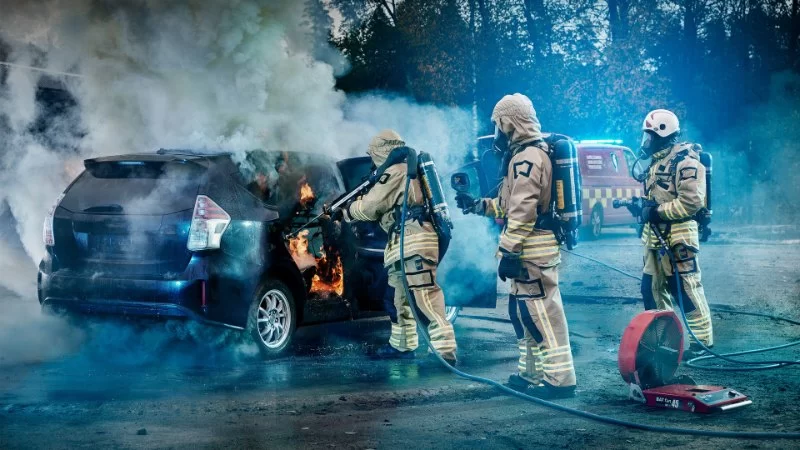
Car fires are one of the most dangerous emergencies drivers can face on the road. Understanding how and why car fires occur, as well as how to respond, is critical for ensuring your safety and the safety of your passengers. Car fires are often caused by engine problems, fuel leaks, or electrical malfunctions, and they can spread quickly if not managed correctly.

Firestone Complete Auto Care
1933 N Placentia Ave, Fullerton, CA 92831, USA
Common Causes of Car Fires
Car fires often happen due to mechanical or electrical issues. Some of the most common causes include:
- Fuel leaks or ruptures in fuel lines
- Electrical malfunctions, including short circuits
- Overheating of the engine or transmission
- Defective or damaged wiring
- Excessive buildup of grease or oil in engine compartments
Knowing these causes can help you identify potential risks before they become emergencies.
Firestone Complete Auto Care
4965 L St, Omaha, NE 68117, USA
2. Signs Your Car Might Be Catching Fire
Car fires can start suddenly, but there are warning signs that may indicate trouble. Recognizing these early symptoms can give you the opportunity to react swiftly and prevent the fire from worsening.
Smoke or Strange Odors
If you notice smoke coming from the engine, exhaust, or under the car, it could be an early sign of a fire. A burning or plastic odor is another indicator that something inside the car is overheating or burning.
Flames or Sparks
Seeing actual flames or sparks under the hood or inside the vehicle is a clear sign that a fire has started. These require immediate action to stop the fire from spreading.
Warning Lights and Overheating
If your vehicle’s warning lights are flashing, especially the oil or temperature lights, and the engine is overheating, you could be at risk of a fire. These indicators should not be ignored.
3. What to Do When a Car Fire Occurs
If a fire breaks out in your car, it’s crucial to act quickly and correctly. Here are the essential steps to take if you are faced with this dangerous situation:
1. Pull Over Safely
The first step is to pull over to a safe location immediately. Turn on your hazard lights and keep your distance from other vehicles to avoid further risks.
2. Evacuate the Vehicle
Once your car is stopped, exit the vehicle and move at least 100 feet away from it. Make sure all passengers exit as well. Do not attempt to salvage personal items, as your safety is the top priority.
3. Call Emergency Services
Dial 911 immediately and report the fire. Provide details about the location and any visible signs of the fire, as this will help responders take appropriate action quickly.
4. Use a Fire Extinguisher (If Safe)
If the fire is small and you have a fire extinguisher on hand, use it to try and put out the fire. However, if the fire is large, do not attempt to fight it yourself. Leave the area immediately and wait for professional help.
5. Avoid Opening the Hood
Do not open the hood to inspect the fire, as this can cause oxygen to fuel the flames and make the situation worse. Allow firefighters to handle the situation when they arrive.
4. Preventing Car Fires: Tips for Safety
While you can’t always prevent a car fire from occurring, there are steps you can take to reduce the risk. Regular maintenance and being alert to any signs of trouble can help prevent a fire from starting in the first place.
Regularly Inspect Your Vehicle
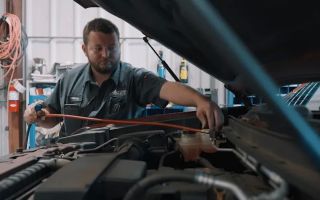
Routine maintenance is essential. Have your car checked regularly for fuel leaks, frayed wiring, and signs of overheating. Regularly inspect your engine compartment for oil or grease buildup, which can become a fire hazard.
Replace Old or Damaged Parts
Ensure that old or worn-out parts, particularly electrical components or fuel lines, are replaced before they become a risk. Keeping your car in top shape is the best defense against fires.
Be Mindful of Parking Location
Parking your car in areas where it’s exposed to extreme heat or near dry vegetation can increase the risk of a fire. Choose safe parking areas and avoid high-risk environments.
5. How Rescue & Towing Can Help in Car Fire Emergencies
In the event of a car fire, Rescue & Towing is here to provide support. Whether it’s towing your car to a safe location, helping with fire safety equipment, or providing roadside assistance, our team is ready to respond. We offer professional services to ensure that your emergency situation is handled efficiently and safely.