When Brake Rotors Also Need Replacement — How to Tell the Difference
- 1. Understanding the Role of Brake Rotors
- 2. Common Signs Your Brake Rotors Need Replacement
- 3. Brake Pads vs. Brake Rotors: Key Differences
- 4. Real-Life Example: Worn Brake Rotors and Their Impact
- 5. How to Prevent Early Brake Rotor Wear
- 6. When to Seek Professional Help for Brake Rotor Replacement
1. Understanding the Role of Brake Rotors
Brake rotors are an essential component of your vehicle’s braking system. They work alongside brake pads to create the friction needed to slow down or stop your car. When you press down on the brake pedal, the brake pads clamp down on the rotors, converting the kinetic energy of the vehicle into heat, which slows the wheels.
While brake pads are generally the first component to wear down, brake rotors also need attention over time. Understanding when brake rotors need to be replaced is crucial for maintaining your vehicle’s safety and performance.
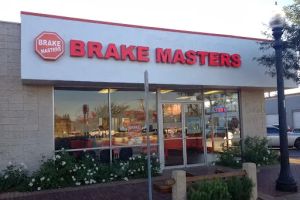
Brake Masters
24411 Main St, Santa Clarita, CA 91321, USA
2. Common Signs Your Brake Rotors Need Replacement
There are several signs that your brake rotors may need replacement. These signs often coincide with changes in braking performance, and ignoring them can lead to more significant issues down the road. Here are the key signs to watch for:
- Vibrations or Shuddering When Braking: If you feel vibrations or a shuddering sensation through the brake pedal, it could mean that the rotors are warped or uneven. This happens when heat from braking causes the rotors to distort.
- Grinding Noise: A grinding sound when braking is a common indicator that the brake rotors are severely worn down or damaged. This often happens when the brake pads have worn through completely, causing metal-on-metal contact with the rotor.
- Visible Scoring or Grooves: Inspect the brake rotors for any visible grooves or deep scoring. If the rotor surface has noticeable damage, it may need to be replaced, as this will affect braking efficiency and safety.
- Reduced Braking Performance: If your vehicle takes longer to stop, or if the brakes feel less responsive than usual, it could be a sign that the rotors are worn or compromised.
3. Brake Pads vs. Brake Rotors: Key Differences
Many people confuse brake pads and rotors, but they serve different functions. Brake pads are designed to wear down over time, as they are the friction material that comes into direct contact with the rotors. On the other hand, rotors are made of metal and are designed to last longer than the pads, but they can still become damaged or worn.
Here’s a quick comparison:
- Brake Pads: Brake pads are typically replaced more often than rotors. They usually wear down after 30,000 to 70,000 miles, depending on driving conditions and how aggressively you brake.
- Brake Rotors: Brake rotors generally last longer than pads but will need to be replaced when they become worn, cracked, or warped. They may last anywhere from 50,000 to 70,000 miles or longer, depending on driving habits and maintenance.
While you may be able to replace the pads alone, if the rotors are damaged or worn beyond acceptable limits, they must be replaced as well. Some rotors can be resurfaced if they are not too damaged, but resurfacing may not be an option for severely worn rotors.
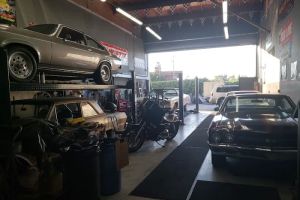
Little D's Muffler & Brakes
2970 S Winchester Blvd, Campbell, CA 95008, USA
4. Real-Life Example: Worn Brake Rotors and Their Impact
Let’s take a look at a real-life example. Sarah, a long-time driver, noticed that her car started vibrating heavily when she applied the brakes. She thought it was just the brake pads, so she had them replaced. However, the vibration persisted. Upon further inspection, the mechanic found that her brake rotors were severely warped, which was causing the vibrations.
After replacing the rotors, Sarah immediately noticed a significant improvement in braking performance. The car stopped smoothly without any shaking or noise. This example highlights how ignoring signs of worn brake rotors can lead to a poor driving experience and increased repair costs down the line.
5. How to Prevent Early Brake Rotor Wear
Preventing premature brake rotor wear is key to saving money and maintaining vehicle safety. Here are a few tips to extend the lifespan of your brake rotors:
- Avoid Heavy Braking: Try to brake gently rather than slamming on the brakes. Abrupt braking generates more heat, which can cause the rotors to warp over time.
- Ensure Proper Pad Maintenance: Regularly check your brake pads and replace them as soon as they begin to wear down. Worn pads will cause metal-to-metal contact with the rotors, leading to damage.
- Rotate Tires Regularly: Rotating your tires ensures even wear on all components, including the brake system. Uneven tire wear can cause uneven braking pressure, leading to rotor damage.
6. When to Seek Professional Help for Brake Rotor Replacement
Brake rotor replacement is a critical aspect of vehicle maintenance that should not be delayed. If you notice any of the warning signs mentioned above—such as vibrations, grinding noises, or reduced braking performance—it’s time to consult a professional mechanic.
At Rescue & Towing, we specialize in vehicle repair services, including brake rotor replacements. Our team can help inspect your braking system, advise you on the best course of action, and ensure your vehicle is safe for the road. Don’t ignore brake problems—early intervention can save you time and money in the long run.