- understanding-why-your-car-wont-start-after-roadside-repair
- step-by-step-troubleshooting-after-roadside-repair-fails
- real-cases-and-lessons-from-roadside-repair-experiences
- how-to-avoid-future-car-starting-issues-after-roadside-help
- when-to-seek-professional-help-and-recommended-services
1. Understanding Why Your Car Won’t Start After Roadside Repair
It’s a situation nobody wants to be in: you’re stranded on the roadside, receive assistance, and after what seems like a successful repair, your car still refuses to start. When this happens, frustration is natural—but understanding the possible reasons behind the problem is the first step to solving it. Issues such as a faulty battery, loose wiring, incomplete diagnostics, or overlooked mechanical faults can all play a role. Sometimes, what looked like a simple dead battery may actually mask a deeper issue like a failing alternator or starter motor. Other times, it could be as basic as a fuel problem or a blown fuse that went unnoticed during the initial repair.
Modern vehicles are complex, and a quick roadside fix often solves only the most apparent problem. If your car won’t start after roadside repair, it’s essential to recognize that some faults may require more than just a surface-level solution. This is especially true if your vehicle has experienced intermittent electrical issues or if warning lights persist on your dashboard even after the repair.
From experience, many drivers have faced this scenario and wondered what to do if your car won’t start after a roadside repair. In these moments, staying calm and following a logical troubleshooting process can make all the difference between being stranded for hours or getting back on the road sooner.
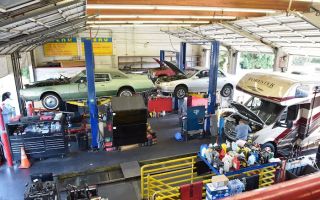
J&J Auto Repair
2879 Lockbourne Rd, Columbus, OH 43207, USA
2. Step-by-Step Troubleshooting After Roadside Repair Fails
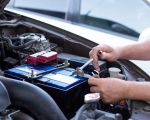
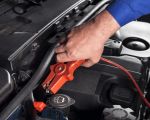
When your car still won’t start after a roadside fix, it’s time to methodically check the most likely culprits. First, listen carefully—does the engine turn over or is there complete silence? If you hear a clicking sound, the battery or its connections could still be the issue, even if the roadside repair just addressed it. Check that all battery terminals are tight and free of corrosion. Sometimes, vibration during transport or the repair process can loosen connections.
Next, consider the fuel system. If your car was low on gas or the fuel pump is weak, the problem might persist. Try turning the ignition to the “on” position for a few seconds before starting, which can help the pump prime the system. If your car cranks but won’t fire up, ignition issues, such as faulty spark plugs or a malfunctioning ignition coil, could be to blame.
Don’t forget about overlooked fuses or relays—these small components can fail suddenly. A quick inspection of your vehicle’s fuse box may reveal a blown fuse related to the starter or fuel system. Lastly, remember that immobilizer or anti-theft systems can sometimes malfunction or reset after roadside intervention, leaving your car unable to start until the security system is reset properly.
If you’ve run through these troubleshooting steps and the car still refuses to start, don’t risk further damage by repeated attempts. This is the time when patience and systematic checks make the difference. Always keep a small notepad in your car to record what’s already been tried—this simple step can save you money and time if you eventually need to call for more help.

Lopez Auto Repair
1290 W Mound St, Columbus, OH 43223, USA
3. Real Cases and Lessons from Roadside Repair Experiences
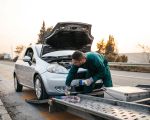
Let’s bring this scenario to life with a true story: Last year, a driver in Atlanta had his sedan towed after the engine wouldn’t start. The roadside technician quickly swapped out the battery and sent him on his way. Yet, just a few miles down the road, the car died again. It turned out that the alternator was failing, draining every new battery installed. This case highlights why a quick fix may not address the root cause.
Another memorable case involved a young couple traveling across the country. After a flat tire repair, their car refused to start. Frustrated, they called for help again, only to discover that a dislodged wire near the starter motor was to blame—a minor oversight, but a common one during roadside repairs where time and lighting are limited. Their persistence and willingness to communicate every detail to the next technician made all the difference in finally getting back on the road.
Stories like these are not just cautionary tales but valuable learning opportunities. Every time your car won’t start after roadside repair, it’s a chance to ask detailed questions, check your vehicle’s systems, and document any changes. This approach not only helps in the moment but can be a lifesaver if issues repeat in the future.
4. How to Avoid Future Car Starting Issues After Roadside Help
Prevention is always better than a cure. One of the best ways to avoid recurring starting issues after roadside assistance is to insist on a full system check, not just a quick fix. Ask the technician to test the alternator, starter, and battery together, and request a voltage reading to be certain the charging system is healthy.
It’s wise to invest in a portable jump starter and basic diagnostic tools, especially if you frequently travel long distances. Knowing how to check for loose wires, fuses, or even simple things like gear lever position (automatic cars often fail to start if not fully in ‘Park’ or ‘Neutral’) can save you hours of waiting and worry. Keeping a list of reputable service providers, like those available through Rescue & Towing, ensures you have trustworthy backup if a quick repair doesn’t do the trick.
Make it a habit to observe your vehicle’s behavior after any roadside repair. Listen for new noises, monitor dashboard lights, and be alert to any subtle changes. Being proactive and aware is often the best defense against getting stranded again.
5. When to Seek Professional Help and Recommended Services
Sometimes, despite your best efforts, the problem remains unsolved. This is the moment to seek out trusted professionals with the tools and expertise to get to the root of the issue. Continuing to try starting a car that won’t run can cause further damage or drain the battery completely.
If you’re facing persistent problems after a roadside repair, consider using services from a reliable platform like Rescue & Towing. Here, you’ll find access to experienced mechanics, honest advice, and a range of parts and services tailored for post-roadside repair issues. Whether you need diagnostic services, replacement parts, or simply peace of mind, choosing the right support network is crucial.
Remember, everyone experiences car trouble at some point—but knowing what to do if your car won’t start after a roadside repair can turn a stressful event into a manageable situation. With the right knowledge, the right questions, and trusted partners, you’re much more likely to be back on the road quickly and safely.