- 1-immediate-actions-when-your-car-is-stuck-in-a-ditch
- 2-safety-considerations-before-attempting-recovery
- 3-methods-to-get-your-car-out-of-a-ditch
- 4-when-to-call-professional-roadside-assistance
- 5-real-life-stories-of-successful-ditch-recoveries
- 6-preventive-measures-to-avoid-getting-stuck
- 7-choosing-reliable-roadside-help-with-rescue-towing
1. Immediate Actions When Your Car Is Stuck in a Ditch
Discovering that your car is stuck in a ditch can be stressful, but taking calm, immediate actions can make recovery easier. First, assess your situation: ensure you and any passengers are safe and the car is stable. Avoid spinning the wheels aggressively as this can worsen the situation by digging the tires deeper.
Turn on your hazard lights to alert other drivers and, if possible, place warning triangles or flares behind your vehicle. This increases visibility and safety while you prepare to move forward with recovery efforts.
Taking these initial steps sets the stage for a safer and more effective rescue process.
2. Safety Considerations Before Attempting Recovery
Before trying to free your car from a ditch, prioritize safety. Check for traffic, unstable terrain, and weather conditions. If your ditch is steep or the ground is slippery, attempting to drive out could be dangerous.
Ensure that no one is standing behind or near the vehicle to avoid injury if the car suddenly moves. If you are unsure about the situation’s safety, it is wiser to wait for professional help rather than risk worsening the problem or causing an accident.
Keeping safety as the top priority protects you and others during ditch recovery efforts.
3. Methods to Get Your Car Out of a Ditch
There are several methods to try when getting your car out of a ditch. One common technique is gently rocking the vehicle back and forth by shifting between drive and reverse gears while applying light gas. This can help gain traction without spinning the wheels excessively.
If available, using traction aids like sand, gravel, or floor mats under the tires can improve grip. In some cases, carefully reducing tire pressure may help increase surface area contact, but this should be done cautiously and restored promptly.
Another option is to enlist the help of a tow strap or winch connected to a sturdy anchor point or another vehicle, but only if you have experience with towing to avoid damage or injury.
4. When to Call Professional Roadside Assistance
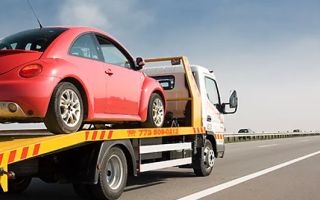
Not every stuck vehicle situation can be resolved easily, so recognizing when to call for professional roadside assistance is essential. If your car is deeply lodged, the terrain is dangerous, or you lack the necessary equipment or expertise, professional help is the safest choice.
Roadside professionals have the tools, training, and experience to recover vehicles safely and efficiently. Attempting risky recovery methods without knowledge can lead to costly damage or personal injury.
Knowing your limits and calling for help promptly can save time and prevent further complications.
5. Real-Life Stories of Successful Ditch Recoveries
Many drivers have faced the challenge of a car stuck in a ditch and managed to recover with smart strategies or timely professional help. For example, a driver in rural Colorado used sand and careful rocking techniques to free their vehicle after a sudden snowstorm trapped them, highlighting resourcefulness during unexpected situations.
Another case involved a family stranded on a highway shoulder; they called roadside assistance and were quickly helped by experts, avoiding long delays and unsafe conditions. These stories emphasize the value of preparedness and knowing when to seek help.
6. Preventive Measures to Avoid Getting Stuck
Prevention is always better than cure. To reduce the chances of getting stuck in a ditch, practice cautious driving especially in bad weather or on unfamiliar roads. Avoid driving too close to road edges, and slow down on narrow or slippery routes.
Maintaining your vehicle’s tires and ensuring good traction also plays a big role. Carrying basic recovery gear like traction mats, a shovel, or a tow strap in your vehicle prepares you for emergencies.
Being proactive minimizes the risk of ditch incidents and enhances your overall road safety.
7. Choosing Reliable Roadside Help with Rescue & Towing
When in need of professional assistance, Rescue & Towing offers dependable roadside services tailored to situations like a car stuck in a ditch. With experienced technicians, quick response times, and modern equipment, they provide safe and effective vehicle recovery.
Choosing a trusted provider like Rescue & Towing ensures peace of mind and professional support whenever emergencies arise on the road.