What to Do After Experiencing a Flat Tire in the USA: A Step-by-Step Guide
There's nothing more frustrating than getting a flat tire, especially when you're on the road and have places to be. It happens to everyone at some point—whether it's during a long road trip, while running errands, or even on your way to work. No one ever plans to deal with a flat tire, but knowing exactly what to do when it happens can make a world of difference. Here’s a detailed guide on what to do after experiencing a flat tire, with everything you need to know to handle the situation like a pro.

MR. TIRE INC.
2078 New York Ave, Huntington Station, NY 11746, USA
1. Assess the Situation
When you realize you have a flat tire, the first thing you need to do is stay calm and pull over safely. Here’s how:
- Find a safe location: Look for a flat, stable surface away from traffic. Avoid stopping on bridges, curves, or narrow roads where it could be difficult for other vehicles to pass.
- Turn on your hazard lights: This alerts other drivers that you’re having trouble and are stopped on the side of the road.
- Put the car in park: Always ensure your car is in park, and if you have a manual transmission, make sure it’s in gear.
After you’ve safely pulled over and turned on your hazard lights, it’s time to get to work. If you're on a busy highway or freeway, be especially cautious. Consider calling for roadside assistance if you're not sure about handling the situation yourself.
MR. TIRE INC.
2078 New York Ave, Huntington Station, NY 11746, USA
2. Gather the Necessary Tools
To fix a flat tire, you’ll need a few basic tools. These are the essentials you'll want to have in your vehicle at all times:
- Spare tire: Most vehicles come with a spare tire located in the trunk or underneath the car.
- Jack: The jack is essential for lifting the car off the ground to replace the flat tire.
- Lug wrench: This tool is used to remove the bolts holding the flat tire in place.
- Wheel wedges: These are placed behind the wheels to prevent the car from rolling while you’re working on the flat tire.
- Inflator (optional): If your flat tire is just partially deflated and the puncture is small, you may be able to inflate it temporarily to get to a repair shop.
3. Change the Flat Tire (If You're Comfortable Doing It)
If you feel comfortable replacing the tire yourself, here’s how to go about it:
- Position the car properly: Use wheel wedges behind the wheels to prevent the car from rolling. If you’re replacing the rear tire, make sure to place the wedges in front of the front tires and vice versa.
- Lift the car: Use the jack to lift the car high enough to remove the flat tire and replace it with the spare.
- Loosen the lug nuts: Before lifting the car, use the lug wrench to break the nuts loose (don’t remove them completely). Once the car is lifted, finish removing them.
- Remove the flat tire: Take the flat tire off the wheel hub and set it aside.
- Put on the spare tire: Align the holes of the spare tire with the bolts and place it on the wheel hub.
- Tighten the lug nuts: Hand tighten the lug nuts onto the spare tire, then use the lug wrench to securely tighten them in a crisscross pattern.
- Lower the car: Slowly lower the car back to the ground using the jack. Once the car is stable, finish tightening the lug nuts.
Once you’ve replaced the flat tire, check to ensure that the spare tire is secure and that the lug nuts are properly tightened. You can now carefully drive to a nearby tire repair shop to have your flat tire repaired or replaced.
4. When to Call for Roadside Assistance
If you’re not comfortable changing the tire yourself, or if you don’t have the necessary tools, don't hesitate to call for roadside assistance. Many people feel unsure about changing a flat tire, especially in less-than-ideal conditions, and that's completely okay.
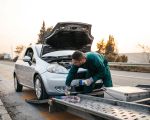
Roadside assistance services are available 24/7 in many areas, including emergency towing services. A professional technician will come to your location and either replace the tire for you or tow your vehicle to the nearest tire repair shop. This is often the safest and most convenient option, especially if you’re in an area with high traffic or bad weather conditions.
5. What to Do If You Can’t Fix the Tire Immediately
If you’re stuck with a flat tire and don’t have the tools or ability to fix it right away, here are a few temporary solutions:
- Use a tire repair kit: Some cars come with a tire repair kit that includes a sealant to temporarily patch small punctures. This can buy you some time until you can get the tire fully repaired.
- Call a towing service: If you're stuck and unable to fix the tire, a towing service can take your car to a nearby tire repair shop or your home, so you can address the issue later.
- Find a local service station: If you're in an urban or suburban area, there may be a service station nearby that can help you repair the tire on the spot or provide towing assistance.
Remember, the most important thing is to stay safe. If you're in an unsafe area or you're unsure about fixing the tire yourself, always opt for professional help.
6. Prevent Future Flat Tires
After dealing with a flat tire, it’s natural to wonder how you can avoid this situation in the future. Here are some tips to keep your tires in good condition and reduce the chances of another flat:
- Check tire pressure regularly: Low tire pressure can increase the risk of a flat. Make sure your tires are properly inflated by checking them monthly and before long trips.
- Inspect your tires for damage: Regularly check for visible damage, such as cracks, cuts, or objects embedded in the tires that could cause a puncture.
- Rotate your tires: Tire rotation ensures that your tires wear evenly, extending their lifespan and reducing the likelihood of one tire becoming flat.
- Replace old tires: Tires that are over 6 years old are more likely to suffer from issues. If your tires are getting old, consider replacing them to avoid sudden flats.
By taking care of your tires and staying prepared, you can minimize the chances of dealing with a flat in the future.
Flat tires are a common problem, but knowing how to handle them can turn a stressful situation into a manageable one. Whether you choose to fix the tire yourself or call for professional help, staying calm, prepared, and safe is the key to resolving the issue quickly. And if you need help, don’t hesitate to reach out to a reliable towing service for assistance.
If you find yourself needing a towing service in the USA, be sure to check out Rescue & Towing, your go-to provider for fast and reliable roadside assistance.