- 1-recognizing-the-signs-of-car-overheating
- 2-immediate-actions-to-take-when-your-car-overheats
- 3-safely-cooling-down-your-overheated-engine
- 4-common-causes-of-car-overheating
- 5-when-to-call-for-professional-help
- 6-preventing-car-overheating-in-the-future
- 7-real-life-experience-and-pro-towing-advice
Recognizing the Signs of Car Overheating
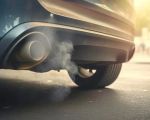
Knowing what should I do if my car overheats starts with recognizing the warning signs early. Common indicators include a rising temperature gauge approaching the red zone, steam or smoke coming from under the hood, a burning smell, and loss of power. Some vehicles might display warning lights or chimes signaling an overheating engine.
Recognizing these symptoms promptly is critical to prevent severe engine damage. Ignoring early signs can lead to costly repairs or complete engine failure. Drivers should stay alert and respond quickly at the first indication of overheating.

AJ's Auto Glass & Detailing
4404 S 84th St, Omaha, NE 68127, USA
Immediate Actions to Take When Your Car Overheats
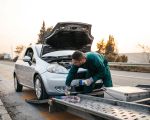
When your car starts overheating, the first step is to safely pull over to the side of the road. Turn off the engine immediately to stop further damage. Do not attempt to open the hood right away, as steam or hot coolant can cause serious burns.
Turn on the hazard lights to alert other drivers, and if you’re on a busy road, stay inside the vehicle with the doors locked until it’s safe to exit. These steps help protect you and others while addressing the problem.
AJ's Auto Glass & Detailing
4404 S 84th St, Omaha, NE 68127, USA
Safely Cooling Down Your Overheated Engine
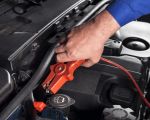
After waiting at least 15-30 minutes for the engine to cool, you can carefully open the hood. Use a cloth or gloves to avoid burns and avoid standing directly over the engine. Check the coolant reservoir level—if low, adding coolant or water may help, but only after the engine has cooled sufficiently.
Never remove the radiator cap when the engine is hot; this can cause pressurized steam to spray out dangerously. Slowly adding coolant can aid in cooling, but if you’re unsure or see leaks, it’s best to wait for professional assistance.
Common Causes of Car Overheating
Understanding why your car overheats helps prevent future issues. Common causes include low coolant levels, coolant leaks, a malfunctioning thermostat, broken water pump, clogged radiator, or a failing cooling fan. External factors like driving in heavy traffic or hot weather can exacerbate these problems.
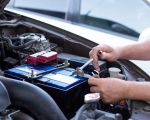
Sometimes simple issues such as a loose or broken radiator cap cause overheating. Regular maintenance and inspections can identify these problems early and keep your engine running smoothly.
When to Call for Professional Help
If your car continues to overheat despite taking immediate actions, or if you notice leaking fluids, strange noises, or dashboard warning lights, it’s time to call for professional help. Trying to drive an overheating car risks severe engine damage and safety hazards.
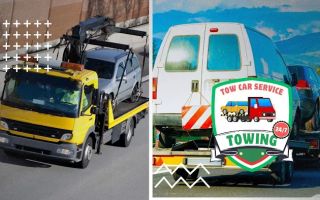
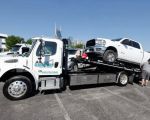
Contact services like Rescue & Towing for reliable roadside assistance and towing. Professionals can safely transport your vehicle to a repair shop and diagnose the root cause of overheating, giving you peace of mind and expert care.
Preventing Car Overheating in the Future
Prevention is the best way to avoid overheating emergencies. Regularly check your coolant levels and condition, inspect hoses and belts, and maintain your radiator. Keep an eye on temperature gauges and don’t ignore early warning signs.
During hot weather or heavy traffic, reduce strain by avoiding unnecessary idling and using air conditioning judiciously. Routine vehicle servicing and cooling system flushes recommended by your mechanic also help maintain optimal engine temperature.
Real-Life Experience and Pro Towing Advice
A driver shared how prompt action after their car overheated on a summer highway prevented engine failure. They stopped safely, allowed the engine to cool, and contacted Rescue & Towing for help, avoiding costly damage. This experience highlights how knowing what to do if your car overheats can save money and stress.
Experts at Rescue & Towing advise every driver to keep emergency supplies in their vehicle and familiarize themselves with basic engine care. Their trusted roadside services ensure that when overheating happens, you’re never stranded alone.
Understanding what should I do if my car overheats equips you to handle a stressful situation calmly and safely. For professional roadside assistance and trusted vehicle care products, Rescue & Towing provides top-tier support to keep you moving confidently on the road.