- 1. Understanding Transmission Slipping
- 2. Common Causes of Transmission Slipping
- 3. Signs That Your Transmission May Be Slipping
- 4. When to Seek Professional Diagnosis
- 5. How to Prevent Transmission Slipping
- 6. Why Choose Rescue & Towing for Your Transmission Repair Needs
1. Understanding Transmission Slipping
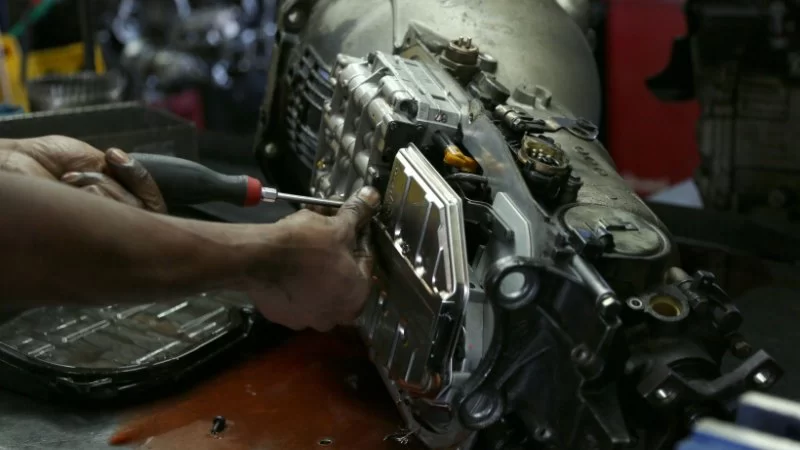
Transmission slipping is a common and frustrating issue that many car owners experience. It occurs when the transmission fails to shift gears properly or doesn’t engage with full power, which can lead to a rough driving experience and reduced vehicle performance. Whether it’s a manual or automatic transmission, slipping can happen for a variety of reasons, often signaling that something isn’t functioning as it should within the transmission system.
Transmission systems are complex, and slipping can range from a slight delay in shifting gears to complete failure to shift. Understanding what causes transmission slipping and when to seek professional help is essential for preventing further damage and ensuring your vehicle runs smoothly for years to come.

Discount Transmission
14401 Hillside Ave., Jamaica, NY 11435, USA
2. Common Causes of Transmission Slipping
There are several potential causes of transmission slipping, and identifying the root of the issue is the first step in addressing it. Here are some of the most common reasons for transmission problems:
- Low or Dirty Transmission Fluid: The transmission relies on fluid to operate smoothly. If the fluid is low, dirty, or contaminated, it can prevent the transmission from functioning properly, leading to slipping.
- Worn or Damaged Transmission Bands: Transmission bands help the transmission shift between gears. If they are worn or damaged, they can slip, causing irregular shifts and loss of power.
- Faulty Torque Converter: The torque converter transfers power from the engine to the transmission. If it’s malfunctioning, it can cause the engine to work harder than necessary, resulting in slipping.
- Worn Clutch Plates (for Manual Transmissions): In manual transmissions, worn or damaged clutch plates can cause the transmission to slip. This issue is often accompanied by difficulty shifting gears.
- Internal Transmission Damage: Over time, parts inside the transmission can wear down or become damaged, leading to slipping. This can occur due to poor maintenance or excessive use of the vehicle.
If you suspect that any of these issues are causing your transmission to slip, it’s important to address them early to avoid further damage to your vehicle.
Leon's Transmissions
14253 Imperial Hwy., La Mirada, CA 90638, USA
3. Signs That Your Transmission May Be Slipping
Recognizing the signs of transmission slipping early can save you time, money, and stress. Here are the most common signs that your transmission may be slipping:
- Delayed or Rough Shifting: One of the first signs of transmission slipping is a delay in shifting gears or rough, jerky shifting. If your car hesitates before changing gears or seems to struggle while shifting, it could be a sign of transmission issues.
- High RPMs Without Acceleration: If you notice that the engine RPMs are high, but your vehicle is not accelerating properly, this is a clear indication that the transmission is not engaging properly.
- Slipping Out of Gear: If your car unexpectedly pops out of gear or seems to struggle to stay in gear, the transmission could be slipping. This can happen while driving or during acceleration.
- Unusual Noises: Grinding or whining noises from the transmission could indicate slipping, especially if the noise is more noticeable when shifting gears.
- Warning Lights: If your vehicle’s check engine light or transmission light comes on, it’s a sign that something is wrong with the transmission. While not all warning lights indicate transmission issues, they should never be ignored.
If you notice any of these signs, it’s important to seek a professional diagnosis as soon as possible to prevent further damage to your transmission and to avoid costly repairs down the road.
4. When to Seek Professional Diagnosis
While minor transmission slipping may seem like something you can ignore for a while, it’s always better to seek professional help early. Here’s when you should get a professional diagnosis:
- Persistent Slipping: If the slipping continues or worsens despite adding transmission fluid or performing basic maintenance, it’s time to consult a professional.
- Unusual Noises: If you hear grinding or whining noises when driving, it’s best to take your vehicle to a mechanic right away. These noises often signal serious internal transmission issues.
- Warning Lights Are On: When the transmission or check engine light turns on, it’s a clear indication that something is wrong. A professional mechanic can read the diagnostic codes and determine the exact issue.
- Loss of Power or Speed: If your car struggles to accelerate or seems to lose power while driving, a slipping transmission could be the cause. A mechanic can test and diagnose the issue accurately.
It’s always better to err on the side of caution and seek a professional diagnosis as soon as you notice any signs of transmission problems. Addressing the issue early can help you avoid expensive repairs down the road.
5. How to Prevent Transmission Slipping
Preventing transmission slipping involves regular maintenance and early intervention. Here are some tips to help you keep your transmission in good condition:
- Regular Fluid Checks and Changes: Check your transmission fluid regularly and replace it as needed. Dirty or low fluid can cause slipping, so it’s important to keep the fluid clean and at the correct level.
- Avoid Overloading Your Vehicle: Overloading your vehicle can strain the transmission and cause it to slip. Always follow the manufacturer’s guidelines for weight limits and towing capacity.
- Maintain Your Vehicle: Regular maintenance, such as checking for leaks, inspecting the transmission system, and ensuring all parts are in working order, can help prevent slipping.
By taking good care of your vehicle and staying on top of maintenance, you can reduce the risk of transmission slipping and ensure that your car runs smoothly for years to come.
6. Why Choose Rescue & Towing for Your Transmission Repair Needs
If you’re dealing with a slipping transmission or any other transmission-related issues, Rescue & Towing is here to help. Our experienced technicians specialize in diagnosing and repairing transmission problems quickly and efficiently. Whether you need routine maintenance or urgent repairs, we provide reliable services to get you back on the road.
At Rescue & Towing, we understand how stressful car troubles can be. That’s why we offer fast, professional, and affordable transmission services, ensuring that your vehicle is in good hands. Don’t let transmission issues slow you down—contact us today for expert help!