- understanding-the-basics-of-car-stalling
- why-does-a-car-stall-common-causes-explained
- car-stalls-at-idle-vs-while-driving-key-differences
- real-case-a-commuter-s-experience-with-sudden-car-stalling
- how-to-diagnose-and-fix-car-stalling-issues
- when-to-call-a-professional-like-rescue-towing
1. Understanding the Basics of Car Stalling
Car stalling is more than just an inconvenience—it's a potential safety risk and an indicator of deeper vehicle issues. When your car engine shuts off suddenly or struggles to keep running, that's considered a stall. This can happen at a red light, while accelerating, or even at highway speeds, leaving drivers both frustrated and alarmed.
To understand why this happens, it's helpful to know that stalling is often a sign of miscommunication between fuel, air, and ignition systems. These components must work together harmoniously, and if one is off—be it a clogged fuel injector or a faulty idle control valve—your car may suddenly stop running.
While some stalls are momentary and rare, frequent stalling should never be ignored. It’s your car’s way of warning you that something needs attention—and quickly.
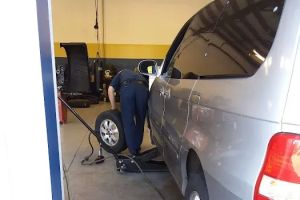
Fast Tire Service Fresno
2685 N Fowler Ave, Fresno, CA 93727, USA
2. Why Does a Car Stall? Common Causes Explained
There are several reasons your car might stall, and they differ based on the car’s make, age, and condition. One of the most common culprits is a fuel system issue—either not enough fuel reaching the engine or poor fuel quality causing misfires. Dirty or failing fuel injectors are prime suspects in older vehicles.
Ignition system malfunctions are another frequent cause. A bad spark plug, weak ignition coil, or failing crankshaft position sensor can lead to inconsistent engine timing, resulting in a stall. On modern cars, electronic control units (ECUs) can also fail or glitch, leading to incorrect fuel-air mixture calculations.
In colder climates, moisture in the fuel line can freeze and block fuel flow. Meanwhile, in hot areas, overheating can cause the engine to shut down as a protective measure. It’s a complex puzzle, and narrowing down the issue usually takes some inspection.
Fast Tire Service Fresno
2685 N Fowler Ave, Fresno, CA 93727, USA
3. Car Stalls at Idle vs. While Driving: Key Differences
Not all stalls are created equal. If your car stalls while idling—say at a stoplight—it’s likely a problem with the idle air control valve or throttle body. These components regulate airflow when your foot isn’t on the gas. When they get clogged or malfunction, the engine can’t maintain RPM and shuts off.
If your car stalls while driving, especially under acceleration, that’s a more urgent issue. It could indicate a failing fuel pump or loss of ignition spark. This kind of stall can be dangerous if it happens in heavy traffic or at high speed.
Understanding when your car stalls is just as important as knowing why. Each scenario points toward a different mechanical system that may need inspection or repair.
4. Real Case: A Commuter’s Experience with Sudden Car Stalling
Consider the story of Emma, a 32-year-old office worker in Denver. Her 2015 sedan began stalling unexpectedly at red lights. She assumed it was bad gas or the summer heat. But after the third stall in one week—one of which occurred on a busy downtown intersection—she sought help.
Mechanics diagnosed a failing mass airflow sensor (MAF), which incorrectly reported air intake levels to the ECU, resulting in a rich fuel mixture and stalling. Replacing the sensor resolved the issue. Emma now gets regular diagnostic scans to avoid similar surprises.
This case illustrates how ignoring small performance issues can lead to unsafe driving conditions. And it reinforces the value of catching problems early.
5. How to Diagnose and Fix Car Stalling Issues
Fixing stalling issues starts with accurate diagnosis. First, use an OBD-II scanner to check for trouble codes. Many auto parts stores offer this service for free. Codes related to oxygen sensors, throttle position sensors, or engine misfires can help identify the source.
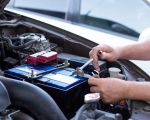
Next, check the basics: fuel level, battery charge, and spark plugs. If your vehicle struggles to start or cranks unevenly, it may be a fuel or ignition problem. Listen for sounds—like a whining fuel pump or sputtering exhaust—as these offer diagnostic clues.
Once you’ve identified the issue, some problems like air filter replacements or spark plug swaps are DIY-friendly. Others—like fuel injector cleaning or ECU troubleshooting—are best left to professionals. Always keep records of symptoms and repairs to help mechanics see patterns.
6. When to Call a Professional Like Rescue & Towing
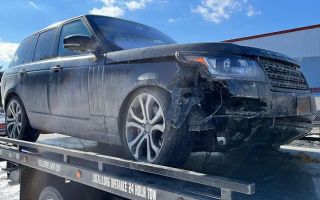
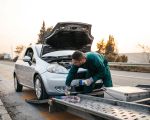
Sometimes, a car stalls and refuses to restart. This is when you need more than a tool kit—you need backup. Calling a professional towing and repair service like Rescue & Towing ensures your vehicle is handled safely and assessed by experienced hands.
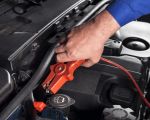
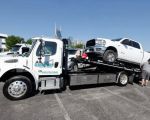
Whether you’re stuck in a parking lot or along the shoulder of a freeway, quick response is critical. Services like Rescue & Towing often include emergency jump starts, fuel delivery, and flatbed towing, ensuring your car gets to a trusted shop fast.
Don’t let a stall turn into a long-term headache. If your car keeps stalling and you’re unsure why, professional intervention is often the safest and fastest route to getting back on the road.