- What-Is-a-TPMS-Sensor-and-Why-It-Matters
- How-the-TPMS-System-Works
- Different-Types-of-TPMS-Sensors
- Common-TPMS-Issues-and-Troubleshooting
- Real-Driver-Story-TPMS-Warning-on-the-Highway
- Maintaining-Your-TPMS-for-Long-Term-Safety
- Get-Professional-Help-from-Rescue-and-Towing
1. What Is a TPMS Sensor and Why It Matters
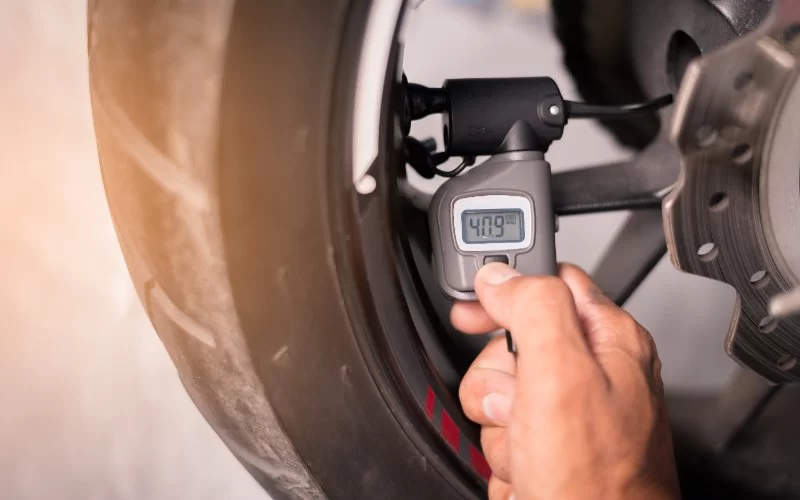
Most modern vehicles come equipped with a Tire Pressure Monitoring System (TPMS)—a small but powerful feature that helps drivers maintain proper tire inflation. When you see a small horseshoe-shaped light with an exclamation mark on your dashboard, that’s your TPMS alerting you that one or more tires may be underinflated. Understanding your car’s TPMS sensor is essential not only for fuel efficiency but also for road safety.
Improper tire pressure can cause poor handling, reduced traction, and even blowouts. According to the National Highway Traffic Safety Administration, underinflated tires are a major factor in thousands of road accidents every year. A functioning TPMS ensures you’re warned early—before the problem turns dangerous.
MR. TIRE INC.
2078 New York Ave, Huntington Station, NY 11746, USA
2. How the TPMS System Works
2.1 Direct TPMS – Real-time tire data
Direct TPMS systems use sensors installed inside each tire to monitor air pressure and temperature. These sensors transmit data wirelessly to your car’s onboard computer. When pressure drops below the manufacturer’s threshold, the TPMS warning light activates immediately. This setup provides accurate, real-time readings.

Firestone Complete Auto Care
1933 N Placentia Ave, Fullerton, CA 92831, USA
2.2 Indirect TPMS – Using wheel speed to estimate pressure
Indirect systems, on the other hand, calculate tire pressure based on wheel rotation. If a tire loses air, its circumference decreases slightly, making it spin faster than the others. The system detects this difference using the ABS sensors and triggers an alert. Although less precise, it’s more cost-effective and easier to maintain.
Knowing which system your car uses can help you understand how quickly it will detect issues—and what kind of maintenance you’ll need later.
3. Different Types of TPMS Sensors
3.1 Clamp-in vs. Snap-in designs
TPMS sensors are typically classified by how they attach to the wheel. Clamp-in types screw into the valve stem, providing a durable, airtight fit—ideal for high-end or performance vehicles. Snap-in sensors are more flexible and easier to replace but may have shorter lifespans. Always match the sensor type to your driving habits and environment.
3.2 Battery-powered sensors
Most sensors are battery-operated and last 5–10 years. When they fail, you’ll need a replacement, not just a reset. A professional mechanic can check the voltage output to confirm whether the issue lies in the sensor or the communication module.
4. Common TPMS Issues and Troubleshooting
4.1 The TPMS light stays on
If your TPMS light remains on after inflating all tires, the system may need recalibration. In some vehicles, this can be done manually through the dashboard menu. For others, you might need specialized tools at a repair shop to reset the sensors properly.
4.2 Flashing warning light
A flashing TPMS light indicates a system malfunction rather than low tire pressure. It could mean the battery inside one of the sensors is dead or that the sensor signal isn’t reaching the control unit. This is a good time to have your system inspected by professionals such as those at Rescue & Towing, who can test and replace faulty sensors efficiently.
4.3 Seasonal tire changes
Many drivers forget to reprogram or sync sensors after switching between summer and winter tires. This mismatch can cause false alerts. Always ensure new tires are paired with functional, compatible TPMS units.
5. Real Driver Story: TPMS Warning on the Highway
Imagine driving through a rainy interstate when suddenly your TPMS light comes on. That’s exactly what happened to Mark, a long-haul driver from Ohio. He ignored the light for nearly an hour, assuming it was a false alert. Minutes later, his rear tire began vibrating—by the time he pulled over, it was nearly flat. A quick check confirmed a slow leak. If he had stopped sooner, he could’ve saved the tire and avoided a risky roadside situation.
Mark’s story underlines why understanding your car’s TPMS sensor is more than technical knowledge—it’s a safety mindset. Paying attention to small alerts can prevent big emergencies.
6. Maintaining Your TPMS for Long-Term Safety
6.1 Routine inspections
During tire rotations or replacements, always have your mechanic inspect TPMS valves and seals. Corrosion or debris buildup can compromise readings. Make sure sensors are torqued correctly to avoid air leaks.
6.2 Keep your tires balanced and inflated
Even the best TPMS cannot compensate for poor tire maintenance. Check tire pressure monthly with a manual gauge to verify sensor accuracy. Temperature swings can cause fluctuations, especially in colder months.
6.3 Update sensor software
Some newer vehicles allow software updates that improve sensor calibration and communication reliability. Regular updates ensure your TPMS operates at peak efficiency, reducing false alarms and improving longevity.
7. Get Professional Help from Rescue & Towing
If you’re unsure how to interpret your TPMS light, or you’ve replaced tires without syncing sensors, professional help is just a call away. Rescue & Towing offers full tire diagnostics, sensor replacements, and roadside assistance for sudden pressure loss. Their experts can test each TPMS component to ensure your system responds accurately when you need it most.
So the next time your TPMS light blinks on, treat it as your car’s early warning system—not an annoyance. With a bit of attention, timely checks, and trusted support from Rescue & Towing, you’ll keep your tires (and your peace of mind) in perfect balance, mile after mile.