- 1 - what-a-crankshaft-sensor-does-and-why-it-matters
- 2 - how-the-crankshaft-sensor-works-in-your-engine
- 3 - common-symptoms-of-a-failing-crankshaft-sensor
- 4 - diagnostic-methods-to-confirm-crankshaft-sensor-issues
- 5 - replacement-and-repair-options-for-crankshaft-sensors
- 6 - real-life-cases-of-crankshaft-sensor-failures
- 7 - preventive-maintenance-for-crankshaft-sensors
- 8 - how-rescue-and-towing-can-help-with-crankshaft-sensor-problems
What a Crankshaft Sensor Does and Why It Matters
The crankshaft sensor, also known as the crankshaft position sensor, is a vital component in modern vehicles. It monitors the position and rotational speed of the crankshaft and sends this data to the engine control unit (ECU). This information helps the ECU adjust ignition timing and fuel injection, ensuring optimal performance. Without a functioning crankshaft sensor, your engine might misfire, stall, or fail to start altogether.

Pick Your Part - Help Yourself
1232 Blinn Ave, Wilmington, CA 90744, USA
How the Crankshaft Sensor Works in Your Engine
Typically located near the crankshaft pulley, flywheel, or camshaft, the sensor uses either a magnetic or Hall-effect principle to detect the crankshaft's rotation. As the crankshaft spins, the sensor reads specific notches or teeth and translates them into electrical signals. The ECU then uses this data to synchronize fuel injection and spark timing. In short, understanding your car's crankshaft sensor is key to grasping how your engine maintains smooth operation.

Pick Your Part - Greer
13054 E Wade Hampton Blvd, Greer, SC 29651, USA
Common Symptoms of a Failing Crankshaft Sensor
When a crankshaft sensor begins to fail, the symptoms can be varied and sometimes intermittent. Common signs include difficulty starting the engine, engine stalling, reduced fuel efficiency, irregular acceleration, or the check engine light turning on. In severe cases, the engine may not start at all because the ECU cannot determine the crankshaft's position. Recognizing these early can prevent roadside breakdowns.
Diagnostic Methods to Confirm Crankshaft Sensor Issues
To confirm crankshaft sensor problems, a mechanic will typically use an OBD-II scanner to check for error codes such as P0335 or P0336. These codes indicate issues with the crankshaft position circuit. In addition, visual inspection of wiring and connectors, as well as oscilloscope readings of sensor output, can reveal faulty signals or physical damage. Early diagnosis can save you from more expensive repairs down the road.
Replacement and Repair Options for Crankshaft Sensors
Replacing a crankshaft sensor is usually straightforward and cost-effective compared to other engine repairs. Depending on your car model, the process may take between 30 minutes to 2 hours. While some skilled car owners attempt DIY replacement, professional service ensures correct installation and calibration. In certain cases, replacing the sensor may also involve addressing related issues such as damaged wiring or ECU software updates.
Real-Life Cases of Crankshaft Sensor Failures
One notable case involved a driver whose car would suddenly stall at highway speeds. After multiple unsuccessful repairs, a specialist identified a faulty crankshaft sensor that only failed when hot. Once replaced, the problem disappeared entirely. Stories like this illustrate how crankshaft sensor issues can mimic other engine problems, making accurate diagnosis crucial.
Preventive Maintenance for Crankshaft Sensors
While the crankshaft sensor doesn't require frequent maintenance, keeping surrounding components in good condition extends its life. Regularly inspecting wiring harnesses, avoiding excessive engine heat buildup, and ensuring the engine is free from oil leaks near the sensor can prevent premature failure. Preventive care is always less costly than emergency repairs.
How Rescue & Towing Can Help with Crankshaft Sensor Problems
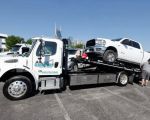
When your crankshaft sensor fails unexpectedly, you may find yourself stranded. Rescue & Towing offers prompt roadside assistance and towing services to get your car safely to a repair shop. Additionally, they can recommend trusted mechanics experienced in diagnosing and replacing crankshaft sensors, ensuring your vehicle gets back on the road quickly and reliably.