- Understanding What a Coolant Temperature Sensor Does
- Common Signs of a Failing Coolant Temperature Sensor
- How the Coolant Temperature Sensor Affects Your Engine
- A Real-Life Case: The Overheating Mystery Solved
- Maintenance Tips and When to Replace Your Sensor
- Why Choose Rescue & Towing for Professional Help
1. Understanding What a Coolant Temperature Sensor Does
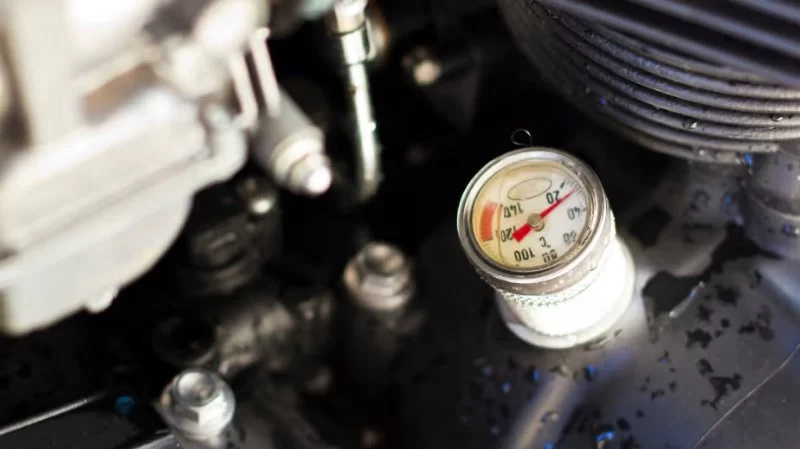
The coolant temperature sensor, often referred to as the engine coolant temperature (ECT) sensor, plays a crucial role in your vehicle’s performance. It measures the temperature of your engine’s coolant and sends this data to the car’s electronic control unit (ECU). The ECU then uses this information to regulate important functions such as fuel injection, ignition timing, and the operation of the cooling fan. Without a properly functioning coolant temperature sensor, your car could run inefficiently or even overheat.
Think of the sensor as your engine’s thermometer — it tells your car how “hot” things are getting. When the sensor fails or sends inaccurate data, your vehicle’s performance can drop dramatically. Modern vehicles rely heavily on this small but mighty component to maintain the right balance between efficiency and power.

Pick Your Part - Help Yourself
1232 Blinn Ave, Wilmington, CA 90744, USA
2. Common Signs of a Failing Coolant Temperature Sensor
2.1 Erratic Temperature Gauge Readings
One of the earliest signs that something is wrong with your coolant temperature sensor is inconsistent temperature readings on your dashboard gauge. You might see the needle jump from cold to hot suddenly — a clear indicator that the sensor is not sending correct data.

Pick Your Part - Greer
13054 E Wade Hampton Blvd, Greer, SC 29651, USA
2.2 Poor Fuel Economy and Rough Idling
When the ECU gets the wrong temperature reading, it can overcompensate by injecting more fuel than necessary, leading to poor gas mileage. Additionally, you may experience rough idling or difficulty starting the car when the engine is either cold or warm.
2.3 Overheating or Engine Misfires
In some cases, a faulty coolant temperature sensor can cause your vehicle to overheat. The fan may not activate at the right time, or the mixture of fuel and air may become imbalanced. Drivers have reported that their car misfires or even stalls when the sensor fails completely.
3. How the Coolant Temperature Sensor Affects Your Engine
The coolant temperature sensor directly impacts how your car’s ECU makes decisions. When the engine is cold, the ECU enriches the fuel mixture to help start the car. As the engine warms up, it adjusts the ratio for optimal performance. If the sensor fails, the ECU can’t determine the true engine temperature, causing the system to run too rich or too lean. Over time, this imbalance can lead to damage to the catalytic converter, spark plugs, and other essential engine components.
It’s also worth noting that a malfunctioning sensor can trigger the check engine light. Many car owners mistakenly replace other components, like the thermostat or radiator, before realizing that the problem originates from this small sensor. That’s why understanding how it works can save you both time and money.
4. A Real-Life Case: The Overheating Mystery Solved
Consider the story of a driver named Lisa who noticed her car’s temperature gauge constantly reading “cold,” even after long drives. Concerned, she took her vehicle to a local repair shop where technicians initially suspected a thermostat issue. However, after replacing it, the problem persisted. It wasn’t until a diagnostic test revealed a failed coolant temperature sensor that the real culprit was identified. Once replaced, her car’s performance immediately improved — better mileage, smooth idle, and accurate temperature readings. This example underscores the importance of accurate diagnostics and highlights how often this small sensor can cause big problems.
5. Maintenance Tips and When to Replace Your Sensor
5.1 Regular Inspection
While coolant temperature sensors don’t need frequent replacement, it’s smart to inspect them during routine maintenance — especially when your car reaches higher mileage. A quick check can prevent bigger problems down the road.
5.2 Watch for Coolant Leaks and Corrosion
Leaking coolant or corrosion around the sensor connection can lead to inaccurate readings. Keeping your cooling system clean and properly filled helps extend the life of both the sensor and the entire system.
5.3 Replacement Interval
Typically, these sensors can last over 100,000 miles, but replacement intervals vary depending on your vehicle model and driving conditions. When in doubt, consult your mechanic or visit Rescue & Towing for expert advice on when and how to replace your coolant temperature sensor safely and affordably.
6. Why Choose Rescue & Towing for Professional Help
At Rescue & Towing, we understand how stressful it can be when your car starts showing signs of overheating or engine performance issues. Our team specializes in diagnosing and repairing problems related to sensors, cooling systems, and other critical components. Whether you need a replacement coolant temperature sensor, emergency roadside assistance, or expert maintenance advice, our technicians ensure you’re back on the road safely and efficiently.
Many of our customers appreciate that we not only fix immediate problems but also educate them about preventive care. That’s the key to long-term vehicle reliability. So, if your car’s temperature readings seem off or you’re concerned about engine performance, let Rescue & Towing help you find the right solution — fast, honest, and professional.