- why-roadside-breakdowns-happen-more-often-than-you-think
- importance-of-regular-vehicle-inspections
- key-maintenance-tips-to-prevent-car-breakdowns
- real-life-roadside-stories-and-lessons-learned
- how-to-prepare-your-car-for-long-trips
- understanding-early-warning-signs-your-car-needs-help
- when-to-rely-on-professionals-like-rescue-and-towing
1. Why Roadside Breakdowns Happen More Often Than You Think
Every year, thousands of drivers find themselves stranded on the shoulder of a highway, wondering what went wrong. While it may feel like an unexpected disaster, most breakdowns are actually preventable. From dead batteries to overheating engines, the causes of roadside emergencies often stem from neglecting routine checks or misjudging vehicle readiness.
According to AAA, one in three drivers in the U.S. will experience a roadside breakdown each year. That’s not a statistic to ignore. Whether you're driving a new model or an older vehicle, understanding the common pitfalls is the first step to staying off the shoulder and on the road.
California Roadside Service
1426 S Allec St, Anaheim, CA 92805, USA
2. Importance of Regular Vehicle Inspections
One of the most effective tips for preventing roadside breakdowns is building a habit of regular inspections. These don’t need to be complicated or expensive. A basic 10-minute walk-around every two weeks can catch issues before they become emergencies. Check your tire pressure, look for visible fluid leaks, listen for unusual noises, and ensure all lights are functioning properly.
For deeper inspections, schedule professional service every 5,000 to 7,000 miles. Mechanics can identify problems with belts, hoses, battery life, and fluid levels that most drivers overlook. These small tune-ups often cost less than a tow—and save you the time and stress of being stranded miles from help.
Rescue & Towing professionals often emphasize this preventive mindset when assisting drivers: the majority of their roadside calls involve things that could have been prevented with basic maintenance.

ASAP Roadside Assistance
5400 Yarmouth Ave, Encino, CA 91316, USA
3. Key Maintenance Tips to Prevent Car Breakdowns
When it comes to proactive vehicle care, a few critical areas deserve constant attention:
Battery: Replace every 3-5 years, and check terminals for corrosion. Many breakdowns result from a simple dead battery, especially in extreme weather.
Tires: Inspect for wear, ensure correct pressure, and rotate them regularly. A blown tire on the highway isn’t just inconvenient—it’s dangerous.
Fluids: Oil, coolant, brake, and transmission fluids should be monitored and replaced according to your vehicle’s manual. Low fluid levels can trigger engine failure, overheating, or brake loss.
Brakes: Never ignore squeaking, grinding, or fading pedal response. Brake failures can escalate fast, often without warning.
Belts and Hoses: A snapped serpentine belt can shut down your engine in seconds. Have them inspected for cracks and tension at regular service intervals.
Staying on top of these elements is your best defense against unexpected roadside stops. For those unsure where to start, Rescue & Towing often recommends a seasonal maintenance checklist to keep your car aligned with weather-related demands.
4. Real-Life Roadside Stories and Lessons Learned
Sometimes, stories from other drivers teach us better than any manual. Mike, a commuter from New Jersey, shared how his radiator failed just outside the Lincoln Tunnel during rush hour. “I skipped topping off coolant for weeks. The car overheated, and I was blocking two lanes,” he said. “It was a disaster.”
Another driver, Chelsea from Buffalo, experienced a late-night flat tire in winter. “I hadn’t checked the tire pressure in months. When it went flat, I didn’t even have a working jack in my trunk.” She now follows a monthly tire check rule and never drives without a roadside kit.
These breakdowns didn’t just ruin days—they could’ve been dangerous. By listening to such stories, we learn that the small things truly matter. Taking five minutes to check your battery or tires can prevent hours on the roadside—or worse.
5. How to Prepare Your Car for Long Trips
Weekend getaways and road trips are part of the American experience, but they also expose your vehicle to higher risks. Before hitting the highway, take a few steps to reduce the chance of problems:
- Inspect tire pressure, including the spare
- Check and top off all essential fluids
- Examine wipers, headlights, and turn signals
- Pack an emergency kit: flashlight, jumper cables, basic tools, first aid, and snacks
- Charge your phone and consider carrying a backup battery or charger
Even tech-savvy vehicles can fail. One couple heading from NYC to the Adirondacks had a hybrid vehicle stall due to a software glitch—miles from the nearest station. A quick call to Rescue & Towing saved the day, but they’ve since become obsessive about pre-trip prep. Lesson learned: a ten-minute inspection beats waiting two hours for help in the rain.
6. Understanding Early Warning Signs Your Car Needs Help
Your car usually tells you something’s wrong before disaster strikes—you just have to listen. Common signs include:
Unusual noises: Clicking, grinding, or hissing can signal brake, engine, or cooling issues.
Dashboard warning lights: Never ignore them. A blinking check engine light means immediate attention is needed.
Fluid under the car: Puddles or drips under your car in the morning often mean a leak that needs attention.
Vibrations or pulling: These can indicate alignment issues or failing tires—both of which can lead to sudden failures at high speed.
Drivers who catch these signs early are less likely to end up stuck. Keeping your senses sharp on the road is part of the safety equation.
7. When to Rely on Professionals Like Rescue & Towing
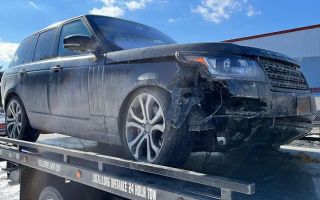
Even the most prepared drivers can run into trouble. That’s why having a reliable support option is essential. Roadside emergencies often happen far from home, and knowing you can call Rescue & Towing makes a stressful situation manageable.
Whether you’ve locked your keys in the car, run out of fuel, or need a tow to the nearest garage, professional help is a call away. In fact, one of the most underrated tips for preventing roadside breakdowns is simply being connected to the right support. It’s not just about avoiding the problem—it’s knowing how to handle it if it comes.
And if you’re not sure what services or plans are available in your region, visiting Rescue & Towing is a smart place to start. From emergency kits to affordable roadside packages, they help you stay ready—no matter what road you’re on.