Tips for Safe Driving Through Tunnels
- 1. Preparing for Tunnel Driving
- 2. Importance of Lighting
- 3. Speed and Lane Discipline
- 4. Maintaining Visibility
- 5. What to Do in Case of an Emergency
1. Preparing for Tunnel Driving
Driving through tunnels may seem like a routine part of your daily commute or long trips, but it requires special attention to ensure safety. Before entering a tunnel, ensure that your vehicle is in good condition, especially your headlights, brakes, and tires. A well-maintained car reduces the chances of mechanical failures that could be dangerous in the confined space of a tunnel.
Another important preparation step is understanding the tunnel's size and rules. Some tunnels have height or weight restrictions for vehicles, so make sure you’re aware of any limitations. Checking the weather forecast is also important, as heavy rain or fog could reduce visibility, especially in tunnels with inadequate lighting.

AJ's Auto Glass & Detailing
4404 S 84th St, Omaha, NE 68127, USA
2. Importance of Lighting
Proper lighting is a key factor when it comes to driving through tunnels safely. When approaching a tunnel, turn on your headlights, even if it’s daylight, to enhance your visibility to other drivers and ensure that your headlights are functioning correctly. Tunnel lighting is often dimmer than the daylight outside, so proper headlights are necessary for seeing and being seen.
Additionally, when inside the tunnel, it’s crucial to follow the tunnel’s lighting systems. Many tunnels have automated lighting that adjusts according to the time of day and traffic conditions. Be aware of these changes and make sure you don’t rely solely on your headlights in low-light sections.
AJ's Auto Glass & Detailing
4404 S 84th St, Omaha, NE 68127, USA
3. Speed and Lane Discipline
Maintaining the correct speed is essential for tunnel safety. Most tunnels have posted speed limits, which are often lower than those on regular highways. These limits are in place for your safety, as driving too fast in a tunnel can increase the risk of accidents due to reduced stopping distances and the confined space. Always obey posted speed limits, and adjust your speed for road conditions, such as wet surfaces or reduced visibility.
Equally important is lane discipline. Tunnels can often be narrow, and changing lanes in such confined spaces increases the risk of collisions. Stick to your lane and follow the road markings, and avoid overtaking other vehicles unless absolutely necessary. If there is a tunnel with multiple lanes, try to drive in the rightmost lane to leave space for faster vehicles.
4. Maintaining Visibility
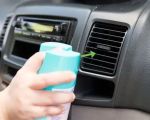
Visibility is a major concern when driving through tunnels. Apart from keeping your headlights on, ensure that your windows are clean and free from fog or condensation, which can impair your vision. If your vehicle has air conditioning or a defogger, use it to maintain clear windows.
For drivers in larger vehicles, such as trucks or buses, it’s essential to make sure that all mirrors and windows are free from obstructions. Large vehicles often have more difficulty seeing their surroundings, so maintaining clear visibility is crucial to avoid accidents inside the tunnel.
5. What to Do in Case of an Emergency
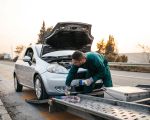
While driving through tunnels, the possibility of an emergency situation, such as a breakdown or sudden health issue, must be considered. It’s vital to stay calm if you face a problem inside the tunnel. First and foremost, if you experience any mechanical issues or notice something wrong with your car, try to pull over to the emergency lane, if available, or stop as far to the right as possible. Activate your hazard lights immediately to alert other drivers.
If the situation worsens and you can’t continue driving, stay inside your car, especially if it’s safe. Exiting the vehicle on a tunnel’s roadway could put you at risk of an accident. Use your phone to call emergency services and give them the exact location of your vehicle inside the tunnel. Many tunnels have emergency call boxes, so make use of them if necessary.
Lastly, avoid panicking. Staying calm during an emergency in a tunnel is crucial for your safety and the safety of others on the road. Always have an emergency kit with essentials like a flashlight, water, and basic tools to handle small incidents.
By following these tips, you can ensure that your driving experience through tunnels is safe and comfortable. If you're looking for expert assistance or quality automotive services, visit Rescue & Towing for the best products and services to keep your vehicle in top condition and your journeys safe.