
- 1 - #understanding-foggy-conditions - Understanding the Hazards of Foggy Mornings
- 2 - #preparing-your-vehicle - How to Prepare Your Vehicle for Foggy Weather
- 3 - #safe-driving-techniques - Safe Driving Techniques in Fog
- 4 - #common-mistakes-to-avoid - Common Mistakes Drivers Make in Foggy Conditions
- 5 - #emergency-preparedness - Emergency Preparedness for Foggy Days
- 6 - #how-rescue-towing-can-help - How Rescue & Towing Can Support You in Foggy Weather
1. Understanding the Hazards of Foggy Mornings
Fog is one of the most dangerous weather conditions drivers face, especially during early morning hours when visibility is at its lowest. The NHTSA reports that fog causes more than 38,000 accidents annually in the U.S. Fog reduces visibility and makes it harder to judge the distance between your vehicle and other objects, including other vehicles, road signs, and even pedestrians.
On foggy mornings, the moisture in the air causes dense, low-lying fog that can cover large areas of roadways. This makes driving hazardous, as drivers often don’t notice how much their visibility is compromised until it's too late. It’s crucial to understand the risks associated with foggy conditions to navigate safely.

AJ's Auto Glass & Detailing
4404 S 84th St, Omaha, NE 68127, USA
2. How to Prepare Your Vehicle for Foggy Weather
Before setting out on your journey, make sure your vehicle is properly prepared for foggy conditions. Visibility is key, and your car’s lighting system plays a significant role in ensuring you can see and be seen on the road.
AJ's Auto Glass & Detailing
4404 S 84th St, Omaha, NE 68127, USA
Check Your Headlights
Ensure that your headlights are functioning properly. In foggy conditions, it’s best to use low-beam headlights rather than high beams. High beams can reflect off the fog and worsen visibility, while low beams cast a wider, more controlled light. Keep your headlights clean, as dirt and grime can diminish their effectiveness.
Ensure Your Wipers Are Working
Fog often comes with moisture, and it’s important to have clear visibility through your windshield. Make sure your windshield wipers are in good condition and top off your windshield washer fluid. Replace worn-out wipers, and use a de-icer to remove any fog buildup on the windshield.
Maintain Proper Tire Pressure
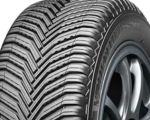
Maintaining the right tire pressure is important in any weather, but it’s particularly crucial in foggy conditions when stopping distances can be unpredictable. Tires with the correct pressure will offer better grip, especially on wet or slick roads.
3. Safe Driving Techniques in Fog
Once you hit the road, it’s time to adjust your driving style for the foggy conditions. Here are a few essential tips for driving safely in foggy mornings:
Reduce Your Speed
In foggy conditions, your stopping distance can increase dramatically, so reducing your speed is crucial. Drive slowly and steadily, giving yourself more time to react to any sudden obstacles or hazards. Use the “fog rule,” which suggests driving at a speed where you can stop within the distance you can see clearly. If visibility drops to less than 100 feet, reduce your speed accordingly.
Use Your Fog Lights
Most vehicles come equipped with fog lights, which are specifically designed to help you see through thick fog. These lights cast a wide, low beam of light, which is more effective in foggy conditions than regular headlights. Turn on your fog lights when you enter an area with dense fog, and remember to switch them off once the visibility improves.
Maintain a Safe Following Distance
Fog reduces visibility and makes it harder to judge distances. To stay safe, maintain a larger following distance than usual. This gives you more time to react if the vehicle in front of you suddenly stops. Ideally, stay at least five seconds behind the car in front to ensure you have enough time to react to any unforeseen changes in traffic.
4. Common Mistakes Drivers Make in Foggy Conditions
Many drivers make critical mistakes when driving in foggy conditions. Here are some common errors to avoid:
Using High Beams
One of the most common mistakes drivers make in fog is using high-beam headlights. While high beams may seem like they would provide better visibility, they actually reflect off the fog, making it harder to see. Always use low beams in foggy weather to improve visibility.
Driving Too Fast for Conditions
Another common mistake is driving at normal speeds despite poor visibility. Fog reduces your ability to judge distances and stop quickly, so driving too fast is dangerous. Always slow down to match the visibility conditions, even if other drivers are speeding past you.
Not Using the Right Lighting
Many drivers forget to turn on their fog lights, which are crucial for seeing and being seen in thick fog. Without fog lights, you may struggle to see the road clearly, and other drivers may have difficulty spotting your vehicle in time. Always turn on your fog lights when driving in dense fog.
5. Emergency Preparedness for Foggy Days
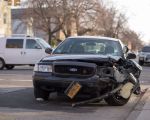
Foggy conditions can lead to accidents and breakdowns. Being prepared for emergencies is crucial, especially during foggy mornings. Keep an emergency kit in your car, including:
- A flashlight with extra batteries
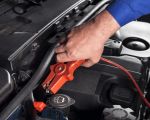
- Jumper cables
- First-aid kit
- Blankets and warm clothing
- Road flares or warning triangles
- Non-perishable snacks and water
If you are involved in an accident or experience vehicle trouble in foggy weather, it’s best to stay in your vehicle with the hazard lights on. Avoid walking on the road, as visibility is poor for both you and other drivers.
6. How Rescue & Towing Can Support You in Foggy Weather
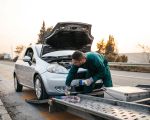
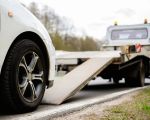
At Rescue & Towing, we understand that foggy weather can pose serious challenges to drivers. That’s why we offer fast, reliable roadside assistance to help keep you safe during foggy mornings. Whether you need a tow, jump-start, or other emergency services, we are here to ensure your safety in poor visibility conditions.
Our team is trained to handle roadside emergencies in all weather conditions, including fog, snow, and rain. If you find yourself stranded or in need of assistance, you can rely on Rescue & Towing to provide quick and professional support.