- #why-underbody-wiring-matters-for-your-vehicle-understanding-importance
- #common-threats-to-underbody-wiring-and-how-they-develop-threats-analysis
- #practical-tips-for-maintaining-your-cars-underbody-wiring-maintenance-guide
- #real-stories-of-underbody-wiring-failures-and-lessons-learned-real-cases
- #tools-and-products-that-help-protect-underbody-wiring-protection-tools
- #how-weather-and-road-conditions-affect-underbody-wiring-weather-impact
- #professional-maintenance-vs-diy-for-underbody-wiring-pro-diy
- #planning-regular-inspections-to-avoid-surprises-inspection-plans
Why Underbody Wiring Matters for Your Vehicle
Underbody wiring plays a crucial role in the functionality of modern vehicles. These wires power essential systems like sensors, fuel pumps, brake controls, and lighting. Because they sit underneath your car, they’re exposed to road debris, moisture, salt, and physical impacts. Understanding why maintaining your car’s underbody wiring is essential helps you take proactive steps to avoid expensive repairs or breakdowns.
Drivers often overlook what happens beneath their car until a warning light flashes or a crucial system begins malfunctioning. A well-maintained underbody wiring system keeps your vehicle running smoothly and prevents roadside emergencies. Regular care also extends the lifespan of your car’s electrical components, saving money and time in the long run.

Pick Your Part - Help Yourself
1232 Blinn Ave, Wilmington, CA 90744, USA
Common Threats to Underbody Wiring and How They Develop
1. Road debris impacts
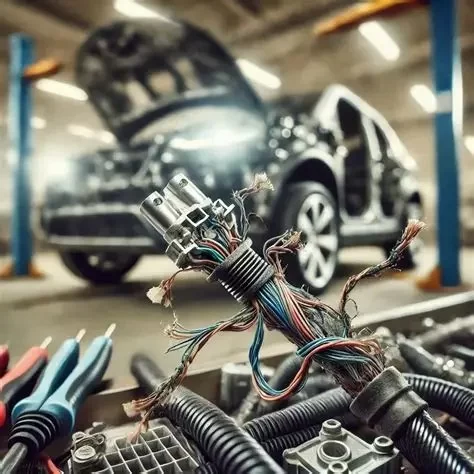
Loose gravel, branches, and small objects kicked up from the road can strike the wiring or protective coverings. Over time, repeated impacts can crack housings or wear through insulation. On rural or uneven roads, this type of damage is even more frequent.

Pick Your Part - Greer
13054 E Wade Hampton Blvd, Greer, SC 29651, USA
2. Moisture and corrosion
Rain, puddles, melting snow, and road salt all contribute to corrosion. When moisture reaches exposed wiring, rust and oxidation can expand rapidly. Salted roads in the winter are especially tough on older vehicles, accelerating deterioration.
3. Heat and vibration
The undercarriage is constantly exposed to high temperatures and engine vibrations. These forces slowly loosen connectors or cause insulation to become brittle. As the wiring ages, it becomes more susceptible to cracks and shorts.
4. Wildlife and chewing damage
Some regions see frequent issues with rodents chewing through exposed wiring. Even minor bite marks can cause major electrical issues. This often happens when a vehicle is parked outside or near wooded areas.
Practical Tips for Maintaining Your Car’s Underbody Wiring
1. Schedule regular inspections
A thorough inspection every few months can help you catch cracks, loose connectors, or early corrosion. You don’t need to be a mechanic—just checking for anything unusual can prevent long-term damage.
2. Clean the undercarriage safely
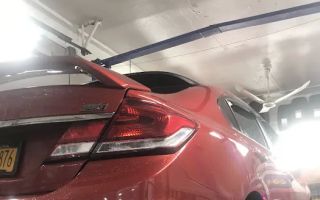
Rinsing the underbody helps remove salt, mud, and grime. A low-pressure wash works best since it avoids forcing water into electrical components. Many drivers get this service during oil changes or seasonal tune-ups to keep wiring surfaces clean.
3. Apply protective coatings
Protective sprays or underbody sealants create a barrier against moisture and corrosion. These coatings are commonly used in areas with heavy rainfall or snowy winters. They also protect wiring insulation from small impacts.
4. Repair minor damage immediately
Small cuts, loose ends, or worn insulation should be addressed promptly. Leaving minor damage unrepaired often leads to full system faults. Early intervention prevents costly repairs later.
5. Follow recommended towing and off-roading practices
Driving through rough terrain or towing heavy loads increases vibrations that stress underbody wiring. Taking smoother paths, reducing speed over bumps, and avoiding rugged obstacles can significantly reduce damage.
6. When in doubt, seek help
Drivers wanting additional support often connect with vehicle experts at Rescue & Towing to receive guidance on inspection methods, protective strategies, and safe long-term maintenance approaches.
Real Stories of Underbody Wiring Failures and Lessons Learned
1. The winter road trip that ended early
A family traveling through the Northeast experienced sudden dashboard warnings during a snowstorm. Salt-packed slush had accumulated under the car and corroded a vital sensor wire. What began as a small issue ended in a tow and an unexpected hotel stay.
2. Off-road adventure gone wrong
An SUV enthusiast shared how a rocky trail knocked a wiring harness loose. The next morning, the car wouldn’t start. After a mechanic inspected it, they discovered the wiring had been slowly shaken out of place during multiple off-road runs.
3. Overnight wildlife trouble
One driver parked near a wooded campground returned to find their car malfunctioning. A small rodent had chewed through an exposed wire. It became a costly reminder of why protective shielding matters.
Tools and Products That Help Protect Underbody Wiring
1. Wire loom coverings
Flexible plastic looms protect wires from debris and minor impacts. They’re common in newer vehicles but can be added as upgrades to older ones.
2. Corrosion-resistant wraps
These specialized wraps help shield sensitive connectors from moisture. They’re ideal for drivers in coastal or snowy environments.
3. Undercoating sprays
These sprays add a strong protective layer that helps resist corrosion and grime. They’re especially useful for trucks, SUVs, and vehicles often exposed to mud or salt.
4. Inspection lights and mirrors
A simple inspection kit helps you examine tight spaces under the vehicle without professional tools.
How Weather and Road Conditions Affect Underbody Wiring
1. Winter and snow conditions
Snow, slush, and road salt contribute heavily to wire corrosion. Even well-protected wires can degrade if salt is left sitting for weeks.
2. Heavy rain and flooding
Floodwater carries dirt and debris that can lodge into wiring channels. Even shallow water can create long-term issues if wiring stays damp.
3. Hot, dry climates
High temperatures dry out insulation, making it brittle. This can lead to cracking, especially in older vehicles.
4. Off-road terrain
Dust, gravel, and rocks all increase the risk of scraping or impact damage. Drivers who love backcountry trails should be extra proactive.
Professional Maintenance vs. DIY for Underbody Wiring
1. When DIY is enough
Simple tasks like cleaning, inspecting, and applying protective spray can be done at home. These steps prevent most early-stage issues.
2. When you should call a professional
Electrical issues involving shorts, persistent warning lights, or non-responsive systems require specialized tools and knowledge. Leaving major wiring repairs to experts prevents accidental damage.
3. Benefits of expert support
Professional technicians can identify hidden issues and offer long-term protection strategies. Many drivers consult trusted service providers like Rescue & Towing to ensure their wiring systems are safe.
Planning Regular Inspections to Avoid Surprises
1. Create a maintenance calendar
Many drivers find it helpful to inspect the underbody every two or three months. Adding it to routine oil change schedules makes it easier to remember.
2. Seasonal checkups
Before winter and after spring, schedule deeper inspections to look for corrosion or loose connections. Seasonal changes often reveal hidden issues.
3. Keep a record
Documenting what you find during inspections helps you track early wear and anticipate repairs. It also helps professionals diagnose problems faster.
Maintaining your car’s underbody wiring may seem small, but it plays a major role in keeping your vehicle reliable. With the right habits—and support from trusted services like Rescue & Towing—you can extend your vehicle’s lifespan and avoid unexpected breakdowns.