- understanding-cv-axle-shaft - understanding-cv-axle-shaft - what-the-cv-axle-shaft-does
- signs-of-damage - signs-of-damage - how-to-recognize-cv-axle-problems
- causes-of-axle-damage - causes-of-axle-damage - common-reasons-your-axle-fails
- driving-risks - driving-risks - why-neglecting-axle-inspection-is-dangerous
- real-cases - real-cases - examples-from-drivers-on-the-road
- professional-inspection - professional-inspection - how-rescue-towing-helps-with-axle-checks
1. Understanding the CV Axle Shaft
1.1 What the CV Axle Shaft Does
The constant velocity (CV) axle shaft plays a crucial role in transmitting power from your vehicle’s transmission to the wheels. It allows your car to move smoothly, even when turning or driving over uneven terrain. Unlike traditional drive shafts, CV axles use flexible joints—known as CV joints—to maintain a consistent speed and torque, ensuring that your tires maintain traction without vibration or jerking.
In most modern front-wheel and all-wheel drive vehicles, CV axles are essential for keeping your car stable and responsive. When they wear out, the symptoms can start subtly but quickly escalate into major safety issues. That’s why understanding their function is the first step toward maintaining a healthy vehicle.
Pick Your Part - Help Yourself
1232 Blinn Ave, Wilmington, CA 90744, USA
2. Signs of Damage
2.1 How to Recognize CV Axle Problems
Early detection of CV axle problems can save you from expensive repairs. Some of the most common signs of trouble include:
1. Clicking Noises When Turning: If you hear clicking or popping sounds while making sharp turns, it often indicates a damaged CV joint. The noise comes from metal components grinding due to worn bearings or lack of lubrication.
2. Vibrations During Acceleration: A failing CV axle can cause your vehicle to shake or vibrate, especially when you accelerate. This can be felt through the steering wheel or the car’s floorboard.
3. Grease Around the Tire or Undercarriage: Torn CV boots leak grease, leading to contamination and accelerated wear. If you spot oil-like splatter near your wheels, it’s time for an inspection.
4. Clicking or Clunking on Deceleration: Not just acceleration—worn joints can also produce strange noises when slowing down. This indicates internal looseness that could worsen quickly.

Pick Your Part - Greer
13054 E Wade Hampton Blvd, Greer, SC 29651, USA
3. Causes of Axle Damage
3.1 Common Reasons Your Axle Fails
Several factors contribute to CV axle damage. Harsh driving conditions, poor maintenance, and simple wear and tear are all major culprits. Potholes, curbs, and road debris can physically impact the axle, while moisture and dirt can corrode exposed parts over time.
In regions with heavy snow or road salt, corrosion is a major risk. Salt accelerates rusting around metal joints, weakening the CV boot and allowing grease to escape. Once the boot tears, debris can enter the joint, quickly grinding it down. Routine inspection and cleaning can help prevent these issues before they lead to costly axle replacement.
4. Driving Risks
4.1 Why Neglecting Axle Inspection Is Dangerous
Ignoring CV axle issues can have serious consequences. A severely worn or broken axle can cause your vehicle to lose power to the wheels entirely, leaving you stranded or unable to control your car safely. In extreme cases, a snapped axle can damage nearby components like your suspension or transmission.
Even before catastrophic failure, driving with a bad axle reduces handling performance and increases tire wear. The imbalance puts strain on other parts of the drivetrain, leading to vibrations, pulling, or uneven braking. Routine inspection ensures that small problems—like a leaking CV boot—are fixed before they escalate into something dangerous.
5. Real Cases
5.1 Examples from Drivers on the Road
Consider the case of a driver in Texas who began noticing slight vibrations in her SUV when accelerating. Thinking it was a tire issue, she ignored it for weeks. Eventually, her axle failed entirely while merging onto a highway, forcing an emergency tow. The repair costs—over $1,200—could have been avoided with an earlier inspection costing less than $100.
Another story involves a delivery driver in Chicago who noticed grease splatter on his wheel wells. Upon checking, a technician found a torn CV boot and corrosion beginning inside the joint. A simple boot replacement and cleaning restored the axle’s performance and prevented further issues. These examples show how timely maintenance saves both money and safety.
6. Professional Inspection
6.1 How Rescue & Towing Helps with Axle Checks
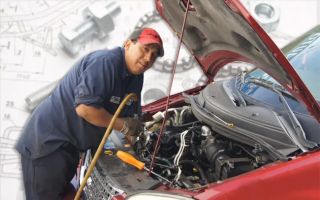
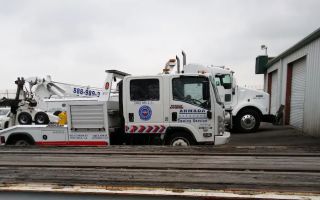
When it comes to CV axle maintenance, professional inspection makes all the difference. At Rescue & Towing, skilled technicians use advanced diagnostic tools to assess the condition of your drivetrain. They check for boot integrity, joint flexibility, and balance issues that could lead to future failure.
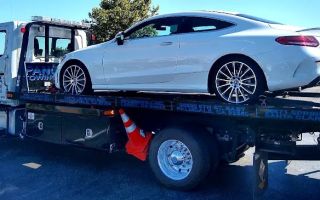
In addition to inspection, their experts provide guidance on safe driving practices and maintenance schedules. Whether you drive a compact car, SUV, or truck, having your CV axle checked regularly ensures smooth handling, even power distribution, and dependable performance. And if you ever find yourself stranded with a broken axle, Rescue & Towing is always ready to help with professional roadside assistance and repair recommendations.
By keeping your CV axle shaft in good shape, you not only protect your tires and suspension but also extend your vehicle’s overall lifespan. Routine checks may seem small, but they’re one of the smartest habits any driver can develop for long-term safety and reliability.