- Why Seasonal Car Maintenance Matters
- Spring Car Maintenance Checklist
- Fall Car Maintenance Checklist
- Key Components for Year-Round Car Maintenance
- Conclusion: Keep Your Vehicle Running Smoothly Through Every Season
1. Why Seasonal Car Maintenance Matters
Seasonal car maintenance is crucial for keeping your vehicle running smoothly and efficiently throughout the year. With the change of seasons, different weather conditions can affect your car in various ways, from temperature fluctuations to wet and icy roads. Whether it’s the harsh heat of summer or the chilly conditions of winter, preparing your car for seasonal changes can extend its lifespan, improve safety, and reduce the risk of unexpected breakdowns.
Spring and fall are the perfect times to perform routine maintenance and address any potential issues. By checking key components and staying ahead of the weather’s effects on your car, you can ensure your vehicle is in optimal condition, ready for whatever the season throws at it.

Pick Your Part - Santa Fe Springs
13780 Imperial Hwy., Santa Fe Springs, CA 90670, USA
2. Spring Car Maintenance Checklist
After a long, cold winter, your vehicle needs a thorough check-up to ensure it’s ready for the warmer months ahead. The spring season is a great time to inspect your car’s systems and address any issues that may have developed over the winter. Here’s a checklist for spring car maintenance:

NAPA Auto Parts - So Cal Auto & Truck Santa Fe Springs
11720 Slauson Ave, Santa Fe Springs, CA 90670, USA
2.1. Check the Battery
Cold temperatures during winter can drain your car’s battery, especially if it's older or not in top condition. In spring, have the battery tested to ensure it’s holding a charge and performing properly. Look for signs of corrosion on the terminals and clean them as necessary. If your battery is nearing the end of its life, it’s best to replace it before it fails completely.
2.2. Inspect the Tires
Temperature changes can cause your tires to lose air, so it’s important to check the tire pressure as the weather warms up. Inspect the tires for any visible damage, such as cracks or bulges, and ensure the tread depth is sufficient for safe driving. Rotating the tires every 6,000 to 8,000 miles can help extend their lifespan.
2.3. Change the Oil and Check Fluids
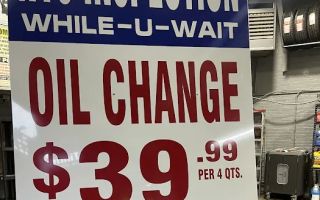
Spring is a great time to change your car’s oil, especially after the engine has been through the colder winter months. Make sure to use the correct oil for the season. In addition to oil, check other essential fluids, such as coolant, brake fluid, transmission fluid, and power steering fluid, and top them up as needed.
2.4. Check the Air Conditioning
As temperatures rise in the spring, you’ll want to make sure your air conditioning system is working properly. Test the AC to ensure it blows cold air, and check for any unusual noises or odors. If the system isn’t cooling properly, it may need a refrigerant refill or other repairs.
2.5. Inspect the Wipers and Windshield
Winter can be hard on your windshield wipers, so check for any signs of wear and tear, such as cracks or fraying. Replace them if necessary, and make sure the wiper fluid reservoir is full. Clean the windshield thoroughly to ensure maximum visibility when driving in the spring rains.
3. Fall Car Maintenance Checklist
As temperatures start to drop in the fall, your car needs to be prepared for the colder months ahead. Fall car maintenance is essential to ensure your vehicle runs smoothly through the winter. Here’s your fall checklist:
3.1. Inspect the Heating System
Before the cold weather sets in, test your car’s heating system to make sure it’s working properly. The heater is essential for defrosting the windshield in icy conditions and keeping you comfortable while driving. If you notice any issues with the heat or airflow, have it checked out before winter arrives.
3.2. Check the Battery Again
As winter approaches, your car’s battery will have to work harder. Ensure the battery is fully charged, and check for corrosion or leaks. A failing battery in the colder months can leave you stranded, so consider getting a battery replacement if it's showing signs of weakness.
3.3. Replace Worn-out Wipers and Fluids
Prepare for heavy fall and winter rains by replacing old or worn-out wiper blades. Ensure that your car’s windshield washer fluid is topped off with a winter-grade solution to prevent freezing. It’s also a good idea to inspect and replace the air filters as needed.
3.4. Prepare the Tires for Winter
Check tire pressure and tread depth again in the fall. If you live in an area prone to snow or icy roads, it’s worth investing in winter tires for better traction and safety. Make sure the tires are properly inflated and have adequate tread for winter driving conditions.
3.5. Check the Brakes
Brakes are critical during winter driving when roads can be icy or slippery. Have your brake pads and rotors inspected for wear. If necessary, get your brakes serviced to ensure they’re in top condition before winter weather arrives.
4. Key Components for Year-Round Car Maintenance
In addition to seasonal maintenance, there are several key components of your car that should be checked year-round to ensure smooth performance. Regular maintenance helps keep your car running reliably no matter the season.
4.1. Timing Belt and Engine Check
The timing belt is crucial for engine function, and it’s important to replace it at the recommended intervals to prevent engine failure. Check the manufacturer’s guidelines for when to replace the timing belt, usually around 60,000 to 100,000 miles. Regular engine checks will also catch any small issues before they become bigger problems.
4.2. Inspect the Suspension System
A well-maintained suspension system ensures a smooth ride and keeps your car handling safely. Check for any signs of suspension wear, such as uneven tire wear, rough handling, or a bumpy ride. If you notice any issues, get them addressed right away to prevent further damage.
4.3. Ensure Proper Exhaust System Function
Your car’s exhaust system helps control emissions and maintain engine performance. Have it checked regularly for leaks or blockages, which could affect engine efficiency and the environment.
5. Conclusion: Enjoying Your Ride Year-Round
Seasonal car maintenance is essential for keeping your vehicle in top shape and ensuring safe driving throughout the year. Whether it’s preparing your car for the spring thaw or gearing up for winter conditions, following a comprehensive checklist will help prevent unexpected breakdowns and extend the lifespan of your car.
If you need advice on car maintenance or want to purchase the right products for your vehicle, visit Rescue & Towing, where we offer expert recommendations and services to keep your car running smoothly.