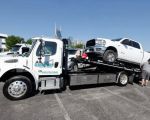
How to Tow Your Vehicle After an Accident
- Understanding Towing After an Accident
- When to Call for Towing
- Steps to Tow Your Vehicle Safely
- Choosing the Right Towing Service
- How Rescue & Towing Can Help
Understanding Towing After an Accident
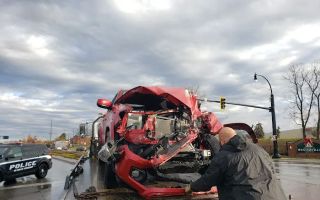
Being involved in a car accident can be a stressful experience, and dealing with the aftermath, including towing your vehicle, is one of the most important aspects to address. Whether your car is damaged beyond repair, stuck in a ditch, or simply unable to drive after the accident, you will likely need a towing service to move your vehicle. But towing your car after an accident isn’t as simple as just hooking it up and driving off—it requires special consideration for safety, insurance, and the condition of the vehicle.
Understanding how to tow your vehicle safely and efficiently is crucial. In some cases, towing may even be required by law, especially if your vehicle is obstructing traffic or is in a dangerous location. In other situations, your insurance company may require you to tow your car to a specific location or to an approved auto repair shop. Therefore, knowing when to call a tow truck, how to ensure your vehicle is towed properly, and how to choose the right towing service can save you time, money, and stress in the long run.
Pick Your Part - Help Yourself
1232 Blinn Ave, Wilmington, CA 90744, USA
When to Call for Towing
One of the first questions you may have after an accident is whether you need to call for towing. There are several situations in which towing is necessary or highly recommended:
Pick Your Part - Greer
13054 E Wade Hampton Blvd, Greer, SC 29651, USA
1. The Vehicle is Inoperable
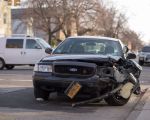
If your car is not drivable due to damage from the accident, such as a flat tire, engine failure, or broken suspension, it’s essential to call for towing. Attempting to drive a damaged vehicle could lead to further harm, both to the car and to other road users. Even if the damage seems minor, such as a cracked bumper, it’s often safer and more efficient to have it towed.
2. The Vehicle is Blocking Traffic
If your car is in a position that is blocking traffic or causing a potential hazard to others, it is crucial to call a towing service as soon as possible. In some states, leaving a vehicle in a dangerous position can result in fines or penalties. A quick response from a tow service can help clear the road and prevent further accidents.
3. Insurance Requirements
If you’re in an accident and your insurance covers towing, your provider may require you to use a specific towing service. Some insurance policies may cover the cost of towing to a repair shop, while others may have restrictions on which service you can use. It’s important to check with your insurance provider to ensure that you are following the correct procedures to get reimbursed for towing services.
4. The Vehicle is Not Safe to Drive
In cases where your car may be operable but is unsafe to drive—due to leaking fluids, broken lights, or compromised mechanical parts—towing is often the safest option. Even if you think the car is still driveable, driving a damaged vehicle can worsen the situation and lead to further breakdowns or safety risks.
Steps to Tow Your Vehicle Safely
If you’re in a situation where towing your vehicle is necessary, follow these essential steps to ensure that the process goes smoothly and safely:
1. Ensure Safety First
Before you consider towing your vehicle, make sure the scene of the accident is safe. If the vehicle is on a busy road or highway, keep your hazard lights on, and set up warning triangles or flares if available. If you're on the shoulder or in a non-hazardous location, ensure that other drivers can see you from a distance.
2. Contact a Towing Service
Once you’re in a safe location, contact a towing service immediately. Be ready to provide details about the accident, including your exact location, the extent of the damage, and whether the vehicle is blocking traffic. If you have roadside assistance coverage, call your insurance provider to arrange for a tow, as they may have preferred partners or specific requirements.
3. Secure Your Vehicle
If possible, secure your vehicle by removing valuables and locking it before the tow truck arrives. This ensures that your personal belongings are safe during the towing process. Additionally, make sure the car is in gear or the parking brake is engaged to prevent movement during towing.
4. Choose the Right Towing Option
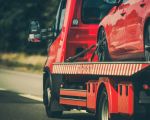
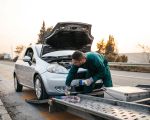
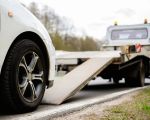
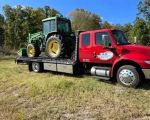
Depending on the damage to your vehicle, you may need a flatbed tow truck or a wheel-lift tow truck. Flatbed trucks are typically used for vehicles that cannot be driven due to damage, while wheel-lift trucks are used for cars that can still be moved. Always follow the recommendations of the towing service regarding the best method for towing your specific vehicle.
Choosing the Right Towing Service
Choosing the right towing service after an accident can be as important as the towing process itself. Here are some key factors to consider when selecting a towing service:
1. Reputation and Reviews
Research towing services in your area and look for ones with a good reputation. Check online reviews and ask friends or family for recommendations. A reputable towing service should have positive feedback for reliability, professionalism, and customer service.
2. Availability and Response Time
When you’re in an accident, time is of the essence. Choose a towing company that offers 24/7 service and can respond quickly to your location. A towing service that provides fast, efficient service will help reduce the amount of time you’re stranded and minimize the potential for additional issues, such as further damage to your car or safety risks.
3. Insurance Compatibility
If your insurance policy covers towing, make sure the towing company is on your insurance provider’s approved list. This will help ensure that your towing costs are covered and you’re not left with unexpected bills.
4. Licensing and Insurance
Ensure that the towing company is licensed and insured. A licensed towing service is more likely to follow industry standards, and insurance protects you in case of any further damage to your vehicle during the towing process.
How Rescue & Towing Can Help
If you’re in need of a reliable towing service, Rescue & Towing is here to assist. Our experienced team provides fast, efficient towing services for all types of vehicles, whether you’re involved in an accident or need roadside assistance. With a commitment to safety, reliability, and customer satisfaction, Rescue & Towing ensures that your vehicle is in good hands.
We’re available 24/7 to help with any towing needs. Whether you’re stuck on the side of the road or need to transport your vehicle after an accident, you can count on us for prompt and professional service. Contact Rescue & Towing today to learn more about our services and how we can assist you in your time of need.