
- Understanding-the-impact-of-heat-on-cars
- Key-reasons-for-car-breakdowns-on-hot-days
- Preventive-measures-to-avoid-breakdowns
- Real-life-cases-and-lessons
- When-to-seek-professional-help
Understanding the Impact of Heat on Cars
Extreme heat can place significant stress on various components of a car, increasing the risk of unexpected breakdowns. On hot days, engines are prone to overheating, batteries may weaken faster, and tires can suffer from increased pressure and wear. Understanding how heat affects your vehicle is crucial for effective prevention. For example, the coolant system works harder to keep the engine temperature regulated, but if it’s compromised, it can quickly lead to engine failure. Similarly, hot weather accelerates battery fluid evaporation, potentially causing sudden battery death.
Beyond mechanical aspects, the interior materials can also degrade faster in intense sun exposure, potentially causing discomfort or damage to electronics. Awareness of these heat-related vulnerabilities lays the foundation for targeted maintenance and care strategies to keep your car running smoothly.

Essentially Driven
4151 Park Ave, Bronx, NY 10457, USA
The science behind overheating
Overheating happens when the engine temperature surpasses the normal operating range. This usually results from a malfunction in the cooling system, such as leaks, clogged radiators, or broken thermostats. Hot weather exacerbates this risk because the ambient temperature limits the cooling efficiency. Vehicles running in cities or heavy traffic during heatwaves face even higher dangers of overheating due to stop-and-go conditions that reduce airflow around the radiator.
Battery performance in extreme heat
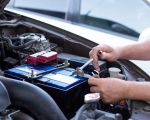
Car batteries operate optimally within a certain temperature range. Prolonged exposure to high temperatures causes the electrolyte fluid inside the battery to evaporate, which diminishes the battery’s capacity and lifespan. Unlike cold weather, which slows down battery function, heat actually speeds up internal chemical reactions, leading to corrosion and eventual failure. This is why many drivers suddenly face dead batteries during heatwaves without warning.
Key Reasons for Car Breakdowns on Hot Days
Identifying the primary causes behind car failures in hot weather is essential for prevention. Most breakdowns on scorching days stem from a combination of mechanical strain and overlooked maintenance issues.
1. Cooling system failure
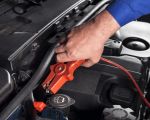
The cooling system’s malfunction is the top culprit for heat-related breakdowns. Components like the radiator, water pump, and thermostat must be in excellent condition to prevent overheating. Any leaks or blockages can quickly escalate problems. For example, a cracked radiator hose during a heatwave can cause rapid coolant loss, leaving the engine vulnerable.
2. Tire blowouts
Hot pavement significantly increases tire pressure and the risk of blowouts. Underinflated or old tires are more susceptible to damage. Many drivers underestimate the importance of tire maintenance in summer, often ignoring signs of wear until it’s too late.
3. Battery failures
As mentioned, heat accelerates battery deterioration. Vehicles with older batteries or loose connections are at higher risk of sudden failure. Starting your car during a heatwave can become frustrating when the battery cannot provide enough power.
4. Fuel system issues
High temperatures can cause fuel evaporation problems, affecting engine performance. Vapor lock, although less common in modern cars, can still occur under extreme heat and heavy load conditions.
Preventive Measures to Avoid Breakdowns
Prevention is always better than facing the hassle and danger of a breakdown, especially on hot days. Here are comprehensive steps you can take to protect your car and yourself.
1. Regular cooling system checks
Ensure your coolant levels are adequate and the fluid is replaced according to the manufacturer’s schedule. Inspect hoses and the radiator for leaks or damage. If you notice your temperature gauge rising beyond normal during a drive, stop and check before continuing. Flushing the cooling system periodically can also prevent corrosion and blockages.
2. Tire maintenance
Check tire pressure regularly, ideally once a week, especially before long drives. Adjust the pressure according to the manufacturer’s recommendation, not just to compensate for heat expansion. Inspect tires for uneven wear, cracks, or bulges. Rotating tires and replacing them when worn can drastically reduce blowout risks.
3. Battery care
Have your battery tested before summer peaks. Clean terminals and ensure connections are tight. If your battery is older than three years, consider proactive replacement to avoid unexpected failures. Parking your car in shaded areas or garages helps reduce heat exposure.
4. Fuel and oil check
Use the appropriate grade of fuel and oil recommended for summer conditions. Keep your fuel tank at least a quarter full to reduce the risk of vapor lock and fuel system contamination. Regular oil changes with high-quality oil help keep the engine lubricated and cooler.
5. Plan your trips wisely
Try to avoid driving during peak heat hours (typically midday). Early morning or late evening trips reduce engine strain and exposure to hot pavement. Always carry essential supplies such as water, a phone charger, and emergency contact information.
Real-Life Cases and Lessons
Consider the story of a family traveling through a desert region last summer. They ignored routine maintenance and faced an engine overheating incident halfway through their trip. Stranded under a blazing sun, they had to wait hours for roadside assistance, suffering from dehydration and heat exhaustion. This case highlights how neglecting preventive care can turn a simple drive into a dangerous ordeal.
On the other hand, a local commuter regularly checks coolant and tire pressure before summer. When a minor coolant leak developed, it was caught early during a routine stop, preventing a major breakdown. Small proactive habits clearly make a significant difference.
When to Seek Professional Help
Despite your best efforts, some problems require expert intervention. If you notice persistent overheating, strange noises, or warning lights, it’s critical to consult a professional mechanic immediately. Emergency roadside services can provide prompt assistance during a breakdown, helping you avoid unsafe situations.
For those seeking reliable support and quality car care products, Rescue & Towing offers excellent services and solutions tailored to hot weather driving challenges. Whether it’s roadside assistance or parts replacement, they provide trusted options to keep you moving safely during the hottest days.
In summary, understanding how heat affects your vehicle, recognizing the main causes of breakdowns, and taking thorough preventive measures are key to avoiding car troubles on hot days. Incorporating professional advice and timely maintenance will safeguard your vehicle and ensure peace of mind whenever summer rolls around.