
How to Prepare Your Car for a Track Day Event – Essential Steps for Safety and Performance
For many car enthusiasts, few things compare to the thrill of pushing their vehicle to its limits on a racetrack. But before you can experience that adrenaline rush, it’s vital to know how to prepare your car for a track day event properly. Proper preparation not only enhances performance but also ensures your safety and prolongs the life of your vehicle. At Rescue & Towing, we’ve seen countless drivers turn a good track day into a great one simply through smart preparation and attention to detail.

Pick Your Part - Help Yourself
1232 Blinn Ave, Wilmington, CA 90744, USA
1. Understanding the Importance of Preparation
1.1 Why Track Days Are Different From Regular Driving
Track driving is not like your daily commute — it’s high-intensity, high-speed, and places far more stress on your car’s systems. From brakes to tires to fluids, everything works harder and hotter. Proper preparation ensures that your car can handle these demands safely and efficiently, giving you more confidence on the course.

Pick Your Part - Greer
13054 E Wade Hampton Blvd, Greer, SC 29651, USA
1.2 The Benefits of Proper Maintenance
Preparing for a track day isn’t just about performance; it’s about safety and reliability. A car that’s well-maintained is predictable, responsive, and consistent — all of which are crucial when you’re cornering at 100 mph. Think of preparation as both protection and performance enhancement rolled into one.
2. Essential Mechanical Checks
2.1 Tires: Your Only Contact With the Track
Tires play the most crucial role in your car’s grip and handling. Check tread depth (at least 3/32" recommended), look for cracks or bulges, and set the right pressure for track use. Track conditions typically require slightly higher pressures to accommodate heat expansion. Always recheck tire pressures after your first few laps — heat can raise PSI by several points.
2.2 Brake System Inspection
Your brakes will work harder on the track than in any daily driving situation. Ensure pads have at least 50% life remaining, inspect rotors for cracks or uneven wear, and use high-temperature brake fluid designed for performance driving. Bleeding the brakes before your event is a smart way to prevent fade under extreme heat.
2.3 Engine and Fluids
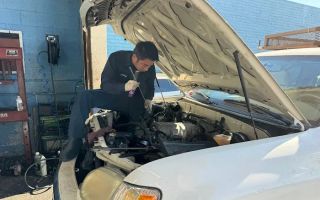
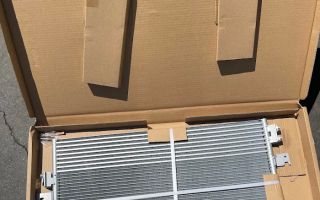
Before any track day, check all vital fluids — oil, coolant, transmission, and power steering. Use high-quality synthetic oil suitable for performance conditions. Overheating is a common track issue, so inspect the radiator and hoses for leaks or corrosion. A clean air filter and topped-up coolant can make a big difference in performance and longevity.
3. Optimizing Vehicle Setup
3.1 Suspension and Alignment
A good alignment can make or break your handling on the track. Too much toe-in or toe-out can cause instability during high-speed turns. Consider a slightly more aggressive alignment setup — more negative camber for improved cornering grip, for instance. If possible, have a performance shop check suspension components for wear or play before the event.
3.2 Weight Reduction and Balance
Every pound counts when it comes to track performance. Remove unnecessary items from your car — floor mats, spare tires, heavy tools, and loose items. This not only improves speed and handling but also reduces the risk of objects flying around inside the cabin during hard braking or cornering.
3.3 Tire and Brake Upgrades
If you plan to attend track days regularly, consider upgrading to performance tires and brake pads. These components are built to handle heat and friction, offering improved grip and fade resistance. Lightweight alloy wheels can also enhance responsiveness and reduce unsprung weight.
4. Safety Equipment and Personal Gear
4.1 Helmet and Driving Suit
Most track day organizers require an approved helmet — typically Snell or FIA certified. A proper fit is crucial for both comfort and safety. For added protection, consider wearing a flame-resistant driving suit, gloves, and shoes designed for motorsport use. Even casual track days benefit from professional gear.
4.2 Car Safety Essentials
Inspect seat belts or harnesses for wear, and make sure your seat is securely mounted. If your car has removable floor mats, take them out to prevent pedal interference. Some experienced drivers also recommend installing a fire extinguisher mount within reach. These small precautions can make a big difference in emergencies.
4.3 Emergency Preparedness
Always have a basic toolkit, tire gauge, and extra fluids on hand. Accidents or breakdowns can happen even to the best-prepared drivers — that’s when having a reliable roadside partner like Rescue & Towing can make all the difference. Knowing you have backup support allows you to focus on enjoying the event.
5. Performance Mindset and Track Etiquette
5.1 Know the Track Rules
Before you even start your engine, attend the driver’s briefing and learn the flag signals. Understanding passing zones, braking areas, and re-entry procedures helps keep everyone safe. Track etiquette is not just about respect — it’s about ensuring that everyone leaves with their car (and ego) intact.
5.2 Gradual Warm-Up
Resist the urge to go full throttle right away. Use your first laps to warm up the tires, brakes, and engine oil. Gradual warm-up ensures better performance and reduces mechanical strain. Listen to your car — strange noises or smells are warning signs not to ignore.
5.3 Post-Session Cooldown
After each session, take a slow lap to allow your brakes and engine to cool gradually. Park with the hood open to dissipate heat and prevent vapor lock. This practice extends the life of critical components and prepares your car for the next round.
6. Real-World Track Day Insights
6.1 A Lesson From the Paddock
Many first-time drivers underestimate how physical a track day can be. Mark, a regular at local events, recalls his first experience: “I thought my car was ready, but halfway through, my brakes faded completely. I hadn’t flushed my brake fluid in years.” That moment taught him the value of proper maintenance — and now, he checks everything twice before every event.
6.2 The Professional’s Perspective
Professional instructors often emphasize preparation as the key to performance. “A well-prepared car makes a driver more confident,” one seasoned track coach explains. “Confidence leads to smoother laps, fewer mistakes, and faster times.” Whether it’s checking torque settings or adjusting tire pressures, these small details translate to big gains on the track.
7. After the Track Day
7.1 Post-Event Inspection
Once your day on the track is over, don’t just drive home and park. Inspect your car again — check fluid levels, tire wear, and brake condition. Track driving accelerates wear and tear, so catching issues early prevents future breakdowns. Clean your car thoroughly; removing rubber debris and dust helps spot potential problems.
7.2 Reflecting and Improving
Every track day is an opportunity to learn. Take notes on how your car performed, what adjustments helped, and what didn’t. Use this feedback to fine-tune your setup for next time. Over time, your preparation process becomes second nature — turning each track day into a smoother, safer, and more thrilling experience.
7.3 Building a Support Network
Surround yourself with a community of enthusiasts and professionals who can help when you need it. Whether it’s finding a trusted mechanic, sourcing performance parts, or getting roadside assistance, Rescue & Towing can connect you to the right services for every stage of your track day journey.
8. The Road to a Perfect Track Day
Knowing how to prepare your car for a track day event is about more than mechanical readiness — it’s about mindset, discipline, and respect for both machine and environment. Every bolt you tighten and every system you check builds confidence that translates to better driving. With preparation, passion, and support from trusted experts like Rescue & Towing, your next track day won’t just be fun — it’ll be unforgettable.