- check-essential-car-components - check-essential-car-components - fluids-tires-and-battery
- inspect-cooling-and-ac-systems - inspect-cooling-and-ac-systems - keeping-your-engine-and-cabin-cool
- pack-an-emergency-kit - pack-an-emergency-kit - what-to-include-for-safety-and-comfort
- plan-for-long-drives - plan-for-long-drives - navigation-and-rest-stop-preparation
- personal-experience - personal-experience - how-preparation-saved-a-trip
- get-professional-help - get-professional-help - why-rescue-and-towing-makes-a-difference
1. Check Essential Car Components
1.1 Fluids, Tires, and Battery
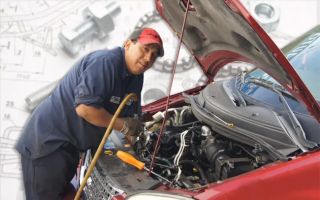
Before hitting the open road, the first step in preparing your car for a summer road trip is making sure its key systems are in excellent condition. High temperatures can expose weaknesses in fluids, tires, and batteries that might not show during normal city driving. Begin with an oil change if you haven’t had one recently, and check all other vital fluids including brake, transmission, power steering, and windshield washer fluids.
Inspect your tires for tread wear and proper air pressure. Hot pavement can cause tire blowouts if they’re overinflated or worn out. A quick penny test can help determine tread depth, but for long trips, replacing borderline tires is often worth the peace of mind. Don’t forget to check your spare tire and ensure your jack and tools are functional.
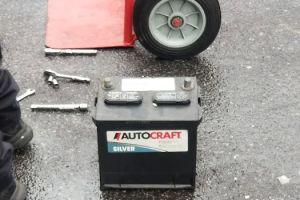
The battery also deserves special attention—heat accelerates corrosion and reduces battery life. Clean any corrosion from terminals and check the charge level. If your battery is over three years old, consider testing or replacing it before departure to avoid roadside delays.
AutoZone Auto Parts
5701 Broadway, Bronx, NY 10463, USA
2. Inspect Cooling and A/C Systems
2.1 Keeping Your Engine and Cabin Cool
Overheating is one of the most common issues drivers face during summer road trips. To prevent it, have a mechanic inspect your car’s cooling system. Ensure the radiator is filled with the correct mixture of coolant and water, and verify that the hoses are free of cracks or leaks. A well-maintained cooling system keeps your engine at the optimal temperature even on long stretches of highway.
Equally important is your air conditioning system. Nothing drains road trip joy faster than a stifling cabin. Test your A/C before you leave—if the air isn’t cold, you may need a refrigerant recharge or filter replacement. A properly functioning air conditioner also helps reduce driver fatigue, keeping everyone alert and comfortable for the journey ahead.

Pick Your Part - Help Yourself
1232 Blinn Ave, Wilmington, CA 90744, USA
3. Pack an Emergency Kit
3.1 What to Include for Safety and Comfort
Even with meticulous preparation, unexpected problems can occur on the road. A well-equipped emergency kit is your best backup plan. Include jumper cables, a tire repair kit, flashlight, basic tools, extra coolant, and a first-aid kit. It’s also smart to pack bottled water, non-perishable snacks, and a blanket—especially for long stretches through rural areas or deserts.
Adding personal comfort items can make a difference too. Phone chargers, sunscreen, and wet wipes can go a long way during a long day on the highway. At Rescue & Towing, professionals often emphasize the importance of carrying contact information for local towing and roadside services, ensuring help is just a call away if needed.
4. Plan for Long Drives
4.1 Navigation and Rest Stop Preparation
Modern technology makes planning your route easier than ever, but it’s still smart to prepare for unexpected detours. Download offline maps and identify rest stops or scenic pullouts where you can stretch your legs. Long hours of driving in the summer sun can be physically taxing, so scheduling breaks every two to three hours can help prevent fatigue and maintain focus.
Check road conditions and construction updates before you go. If you’re traveling through mountainous or remote areas, ensure your gas tank stays at least half full—stations can be sparse in some regions. Having a printed map as a backup never hurts in case your GPS signal drops.
5. Personal Experience
5.1 How Preparation Saved a Trip
A real-life story from a family in Arizona highlights just how vital trip preparation can be. During a 600-mile road trip to the coast, their SUV began to overheat in the middle of the desert. Fortunately, they had checked their fluids beforehand and packed extra coolant, allowing them to refill and reach the next service stop safely. Their foresight turned what could have been a costly breakdown into a minor inconvenience.
This kind of preparedness reflects the difference between a stressful trip and a smooth adventure. Planning ahead gives you confidence to enjoy the journey rather than worry about every mile.
6. Get Professional Help
6.1 Why Rescue & Towing Makes a Difference
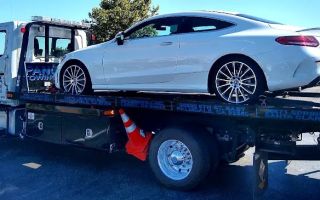
While DIY checks are crucial, nothing replaces the assurance of a professional inspection. Before setting off, consider visiting a trusted service provider like Rescue & Towing for a full pre-trip inspection. Their technicians can test fluid integrity, tire balance, and cooling systems, ensuring your car is ready for long-distance travel.
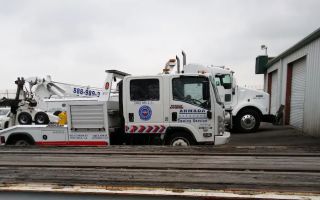
They also offer roadside assistance services nationwide, giving travelers peace of mind during their adventures. With proper preparation, expert guidance, and a well-maintained vehicle, you can focus on the excitement of the open road—without worrying about breakdowns or delays.