How to Prepare Your Car for a Cold Climate
- 1 - Why Preparing Your Car for Cold Weather Is Crucial
- 2 - Essential Maintenance for Cold Climate Driving
- 3 - Must-Have Gear for Winter Road Trips
- 4 - Expert Tips for Driving in Cold Weather
1 - Why Preparing Your Car for Cold Weather Is Crucial
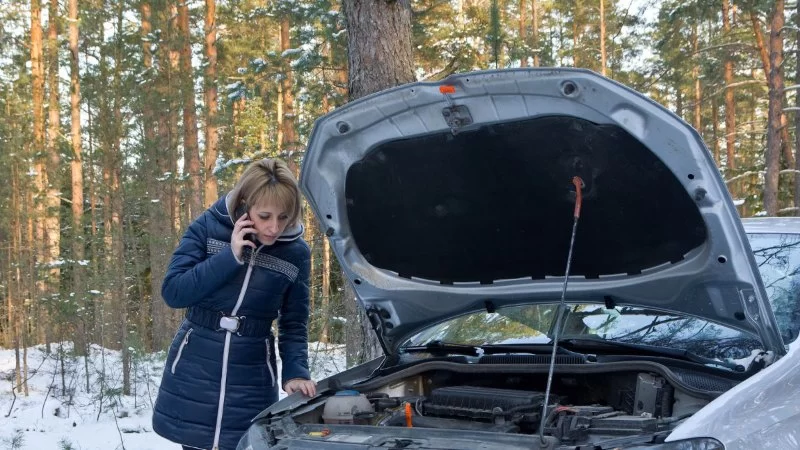
As the temperatures drop, it's vital to ensure your vehicle is properly prepared for cold climates. Driving in harsh winter conditions can take a toll on your car, so preparation is key to preventing breakdowns, ensuring safety, and avoiding expensive repairs down the road. A well-prepared car can handle snow, ice, and sub-zero temperatures much better, keeping you safe and your ride smooth.
Cold weather can affect various parts of your car, from the battery to the tires, fuel system, and engine. If these parts aren't maintained, you risk getting stuck in freezing conditions or facing dangerous situations on icy roads. Proper preparation will not only protect your car but also give you peace of mind during winter months.

Pick Your Part - Help Yourself
1232 Blinn Ave, Wilmington, CA 90744, USA
2 - Essential Maintenance for Cold Climate Driving
To ensure your car runs smoothly during cold weather, regular maintenance is a must. Here are some essential maintenance tasks you should consider:

Pick Your Part - Greer
13054 E Wade Hampton Blvd, Greer, SC 29651, USA
Battery Check
Cold weather can cause your car’s battery to lose power, which is one of the most common reasons vehicles fail to start in winter. Before the first cold snap, have your battery tested to ensure it's fully charged and in good condition. If your battery is older than three years, consider replacing it to avoid unexpected failures.
Tires
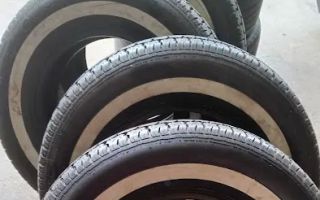
In cold climates, tires become harder and lose their grip, which can be dangerous on slippery roads. Make sure your tires are properly inflated and have sufficient tread. If you live in an area with heavy snow or icy conditions, consider switching to winter tires, which provide better traction in low temperatures.
Coolant and Antifreeze
Ensure your car’s coolant system is in good shape to prevent the engine from freezing. Check the antifreeze levels, and if necessary, top it up to maintain the proper mix. A good rule of thumb is to have a 50/50 mix of antifreeze and water to protect the engine from freezing in extremely low temperatures.
Windshield Wipers and Fluid
Visibility is crucial during winter driving. Replace worn-out wiper blades, and ensure your windshield washer fluid is filled with winter-grade fluid, which won’t freeze in colder temperatures. Clean your windshield regularly to remove salt, snow, and ice, ensuring clear visibility.
3 - Must-Have Gear for Winter Road Trips
When preparing your car for a cold climate, it’s also important to have the right gear on hand in case of emergencies. Here’s a list of essential items every driver should carry in the winter:
Emergency Kit
Pack an emergency kit that includes items such as blankets, gloves, a flashlight, first aid supplies, snacks, and water. These items can be a lifesaver if you’re stuck in a snowstorm or your car breaks down in the middle of nowhere.
Ice Scraper and Snow Brush
Always keep an ice scraper and snow brush in your car during winter. These tools will help you clear snow and ice from your windshield, windows, and side mirrors before you drive, improving visibility and safety.
Jumper Cables
Cold temperatures can strain your battery, so it’s a good idea to keep jumper cables in your car, just in case. They can help you quickly start your car or assist others who may be stranded in similar situations.
4 - Expert Tips for Driving in Cold Weather
In addition to preparing your car for the cold climate, here are some expert tips to keep in mind while driving in winter conditions:
Slow Down
When driving in snow, ice, or wet conditions, always reduce your speed. Cold weather can cause roads to be slick, and sudden movements can lead to loss of control. Give yourself plenty of time to react, and be cautious on bridges or overpasses, which freeze first.
Keep a Safe Distance
In winter weather, stopping distances increase. Maintain a safe distance from other vehicles, especially when the roads are icy or snow-covered. This extra space gives you time to stop safely if necessary.
Avoid Sudden Braking or Acceleration
When driving in cold weather, avoid making sudden stops or fast starts. These actions can cause your tires to lose traction, leading to slipping or skidding. Instead, brake gently and accelerate smoothly to maintain control of the vehicle.
With these tips and preparation strategies, you’ll be ready to tackle winter driving and enjoy safe, comfortable trips even in the harshest cold climates. Remember, proper maintenance, the right gear, and mindful driving practices are key to getting through the season without issue.