- 1-how-to-handle-emergency-breakdowns-at-night-#how-to-handle-emergency-breakdowns-at-night
- 2-staying-calm-and-assessing-the-situation-safely-#staying-calm-and-assessing-the-situation-safely
- 3-essential-visibility-and-roadside-safety-measures-#essential-visibility-and-roadside-safety-measures
- 4-contacting-help-and-sharing-accurate-location-details-#contacting-help-and-sharing-accurate-location-details
- 5-what-not-to-do-during-a-nighttime-breakdown-#what-not-to-do-during-a-nighttime-breakdown
- 6-real-driver-story-experience-from-a-late-night-breakdown-#real-driver-story-experience-from-a-late-night-breakdown
- 7-professional-roadside-support-from-rescue-and-towing-#professional-roadside-support-from-rescue-and-towing
1. How to Handle Emergency Breakdowns at Night — Safety Checklist for Drivers
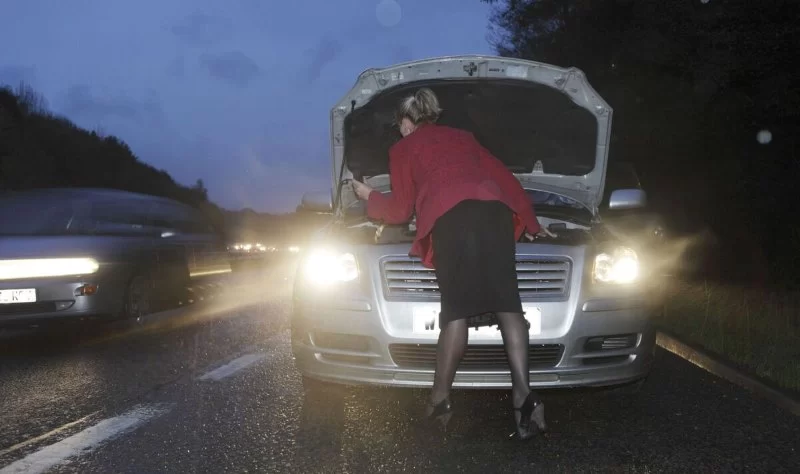
Few driving situations feel as stressful as a sudden breakdown at night. The road is darker, traffic visibility is limited, and reaction time becomes more critical for everyone around you. Knowing exactly what to do in those first few minutes can make the difference between a stressful experience and a safe, controlled response.
This nighttime breakdown safety checklist is designed for everyday U.S. drivers — people heading home from work, traveling on highways, or returning from long-distance trips. Instead of panic-driven decisions, the goal is to follow calm, practical steps that protect you, your passengers, and other drivers on the road.
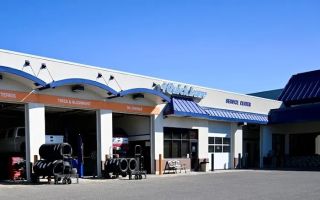
Midnight Motors
786 Burke Ave, Bronx, NY 10467, USA
2. Staying Calm and Assessing the Situation Safely
The first instinct during a breakdown is often confusion — strange dashboard lights, odd sounds, or sudden loss of power. Before reacting, safety begins with slowing down mentally and physically.
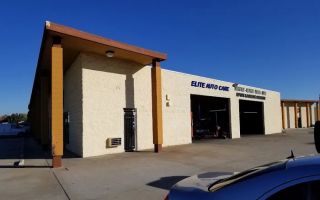
Knights Collision Experts Inc
1924 Broadway, Brooklyn, NY 11233, USA
1. Gradually pull over to the safest possible location
If your vehicle still has momentum, guide it toward the right shoulder, an exit ramp, or a well-lit parking area. Avoid stopping on blind curves or hill crests where visibility is reduced.
2. Turn on hazard lights immediately
Your flashers alert approaching drivers that something is wrong and signal them to slow down sooner — especially important at night.
3. Stay inside the vehicle unless there is immediate danger
Traffic speeds are harder to judge in the dark. Remaining inside with seatbelts fastened is often safer than standing near the roadway.
3. Essential Visibility and Roadside Safety Measures
Once stopped safely, the next priority is making your vehicle as visible as possible. Night driving reduces depth perception, meaning drivers may recognize hazards later than expected.
1. Position reflective triangles or warning devices if available
Place them at increasing distances behind your vehicle to give drivers longer reaction time. Even small reflective markers can make a meaningful difference.
2. Use interior dome lights when calling for help
Interior lighting improves your visibility to responders while preventing glare toward oncoming traffic.
3. Keep doors closed and avoid standing near traffic lanes
Dark environments make pedestrians hard to see. Staying inside limits exposure to high-speed vehicles and unexpected roadway movements.
4. Contacting Help and Sharing Accurate Location Details
Clear communication speeds up response time and reduces stress while waiting for assistance.
1. Note nearby mile markers, exits, or road signs
Providing precise location details helps roadside services or emergency responders locate you faster — especially on long highway stretches.
2. Describe symptoms instead of diagnosing vehicle problems
Details such as smoke, loud knocking sounds, or total power loss help professionals determine urgency and equipment needs.
3. Keep your phone charged and visible while waiting
Emergency calls may require follow-up instructions, so staying reachable is important for safety coordination.
5. What Not to Do During a Nighttime Breakdown
Some actions that seem helpful can actually increase risk after dark. Avoiding these common mistakes improves overall safety.
1. Do not walk along the roadside to seek help
Nighttime visibility makes pedestrians extremely vulnerable — especially wearing dark clothing.
2. Do not attempt major repairs in the dark
Opening hoods or crawling under vehicles places you in blind-spot danger zones for passing traffic.
3. Do not turn off hazard lights while waiting
Your vehicle should remain clearly identifiable until assistance arrives.
6. Real Driver Story — Experience From a Late-Night Breakdown
One driver from Arizona shared their experience after a tire failure on a rural highway just after midnight. Instead of exiting the vehicle, they stayed inside, turned on hazard lights, and contacted roadside assistance. A passing truck driver later told them that visibility was extremely limited, and stepping outside could have placed them in a dangerous proximity to traffic.
The situation reinforced an important truth — remaining calm, visible, and stationary often creates the safest outcome during nighttime breakdowns.
7. Professional Roadside Support From Rescue & Towing
Handling an emergency breakdown at night can feel overwhelming — but you don’t have to face it alone. Rescue & Towing provides dependable support for drivers who need assistance during unexpected roadside emergencies, whether it involves towing, vehicle transport, or professional recovery services. When safety and response time matter, Rescue & Towing helps drivers connect with reliable service options that prioritize security, communication, and peace of mind.