How to Handle a Vehicle Breakdown in Unfamiliar Areas: Expert Tips for Staying Safe
- 1. Understanding the Challenges of a Vehicle Breakdown in Unfamiliar Areas
- 2. Immediate Steps to Take After a Breakdown
- 3. How to Contact Help Effectively
- 4. Keeping Yourself Safe During a Breakdown
- 5. How to Prevent Breakdowns in the First Place
- 6. Why Choose Rescue & Towing for Emergency Assistance
1. Understanding the Challenges of a Vehicle Breakdown in Unfamiliar Areas
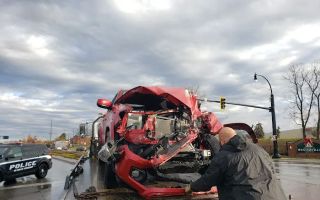
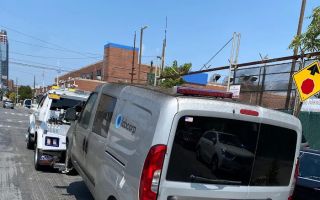
Experiencing a vehicle breakdown is always stressful, but it becomes even more overwhelming when it happens in an unfamiliar area. Whether you're traveling on a remote highway, in a new city, or in a part of town you don't know well, being stranded with a broken-down vehicle can put you in a vulnerable situation.
There are several challenges you may face during a breakdown in an unfamiliar area, including limited access to immediate help, unclear routes to the nearest service stations, or unfamiliarity with the local safety conditions. You may not know the quickest way to get assistance, and without local knowledge, it's easy to feel isolated. That’s why it’s essential to handle the situation with a clear strategy and an understanding of the available resources.
2. Immediate Steps to Take After a Breakdown
When your vehicle breaks down in an unfamiliar area, taking the right immediate actions can help ensure your safety and make the process of getting assistance more manageable. Here are the first steps you should take:
- Pull Over Safely: If possible, move your vehicle to the side of the road or to a safe, well-lit area. Turn on your hazard lights to alert other drivers. Avoid stopping on highways or busy roads where traffic is fast-moving.
- Stay in Your Vehicle: Unless there is a clear and immediate danger, it is often safest to stay inside your vehicle. Lock the doors and remain in the car to protect yourself from passing traffic or other external threats.
- Assess the Situation: Try to determine the cause of the breakdown. If it’s something simple like a flat tire or an empty gas tank, you might be able to handle it with the right tools. If not, prepare to call for roadside assistance.
By taking these steps, you can maintain control of the situation and stay safe until help arrives or you can resolve the issue yourself.
3. How to Contact Help Effectively
Once you’ve ensured your safety, the next step is to contact the right help. Whether you're calling for roadside assistance or a tow truck, here’s how to do it effectively:
- Gather Information: Before making the call, gather as much information as possible. Take note of your exact location, including landmarks, street names, or GPS coordinates. The more precise your information, the quicker help can find you.
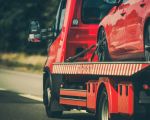
- Contact Roadside Assistance: If you have a roadside assistance service, contact them immediately. Many providers have 24/7 emergency services, and they can dispatch a tow truck, offer fuel delivery, or fix minor issues like flat tires.
- Contact Local Services: If you don’t have roadside assistance, you can call a local tow service, mechanic, or even the local police to help you with your breakdown. They may be able to guide you to the nearest service station or help with towing.
By being prepared and having the right information at hand, you’ll be able to contact the appropriate help and resolve your situation quickly.
4. Keeping Yourself Safe During a Breakdown
Your safety is paramount, and during a vehicle breakdown, it’s essential to take precautions to protect yourself. Here are some safety tips:
- Be Visible: Use your hazard lights to ensure that other drivers can see your vehicle, especially if you’re stranded on a busy road or highway. If you have reflective triangles or cones, place them behind your vehicle to alert other drivers to slow down.
- Stay Inside the Vehicle: If you’re on a busy road or highway, remain inside your vehicle until help arrives. If you’re on a remote road, make sure the doors are locked and don’t leave your car unless you’re certain it’s safe to do so.
- Don’t Accept Rides from Strangers: While it’s important to get help, it’s best not to accept rides from strangers unless absolutely necessary. If you need assistance, call a trusted roadside service provider or the local authorities.
These simple steps can help keep you safe while you wait for help to arrive and prevent unnecessary risks during a vehicle breakdown.
5. How to Prevent Breakdowns in the First Place
The best way to handle a vehicle breakdown is to prevent it from happening in the first place. Proper vehicle maintenance and pre-trip checks can reduce the likelihood of facing an emergency situation. Here are some tips:
- Regular Vehicle Maintenance: Keep up with routine maintenance such as oil changes, tire rotations, and brake inspections. A well-maintained vehicle is less likely to break down unexpectedly.
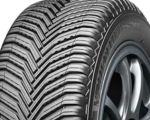
- Inspect Tires: Before any long drive, check the condition and pressure of your tires. Worn-out tires or low tire pressure can cause a breakdown or even an accident in poor weather.
- Check Fluids: Ensure that your car has enough oil, coolant, and other vital fluids. Running low on any of these can cause engine problems and lead to breakdowns.
- Prepare for Emergencies: Always keep an emergency kit in your vehicle, including a flashlight, jumper cables, tire repair kit, and basic first-aid supplies. This way, you’ll be prepared for minor issues before they escalate.
By taking these preventive measures, you can reduce the chances of a breakdown, especially when traveling in unfamiliar areas.
6. Why Choose Rescue & Towing for Emergency Assistance
If you find yourself in a breakdown situation in an unfamiliar area, Rescue & Towing is the ideal service to rely on. We offer fast, reliable, and professional roadside assistance, including towing, tire changes, battery jumps, and more. Whether you're stuck in a remote location or a busy city street, our team is here to help.
At Rescue & Towing, we understand the stress and danger of vehicle breakdowns, especially in unfamiliar areas. That's why we are committed to providing fast, expert help when you need it most. Visit Rescue & Towing today to learn more about our services and ensure that you’re always prepared for emergencies!