Preparing for Driving in the Rain
Driving on a rainy highway can be tricky, especially if you're not prepared for the unique challenges that wet roads pose. Wet surfaces reduce tire traction and increase stopping distances, making it harder to control your vehicle. In some cases, heavy rain can even obscure your visibility, creating an additional hazard. Being aware of these risks and knowing how to prepare your car and yourself can help minimize the chances of an accident on rainy highways.
Before heading out, make sure your vehicle is in top condition: ensure your tires have proper tread depth, check your windshield wipers and fluid levels, and confirm that your headlights are working. Additionally, reduce your speed and increase your following distance to account for the longer stopping distances required in wet conditions. Proper preparation is key to driving safely on rainy roads.
What to Do Immediately After a Car Accident in the Rain
Accidents on rainy highways can happen quickly, so knowing how to respond immediately after the crash is crucial. The first thing to do after any car accident, rain or shine, is to stay calm. Here's a breakdown of the immediate steps you should take:
- Ensure Safety: Check for injuries and make sure everyone is safe. If you’re able, move your vehicle to the shoulder or a safe area to prevent further collisions.
- Check Your Surroundings: Rainy conditions can make roads slick, so assess whether it's safe to exit your vehicle. If it's not, remain inside with your seatbelt on until emergency responders arrive.
- Call 911: Dial emergency services to report the accident. They will send help and may also direct traffic around the accident scene to prevent additional collisions.
By following these initial steps, you can ensure the safety of everyone involved while reducing the risk of further harm due to poor weather conditions.
Key Safety Precautions During Rainy Weather
Rain significantly alters driving conditions, and knowing the key safety precautions can help you avoid accidents or handle them more effectively when they occur. Some important safety tips include:
- Slow Down: Reducing your speed is the most important safety measure. Wet roads reduce tire traction and can make your car more prone to hydroplaning. Driving slower gives you more time to react to sudden changes in the road.
- Use Headlights: Visibility can be reduced during rainstorms, especially at night. Always use your headlights to increase visibility, even during light rain.
- Avoid Cruise Control: In rainy weather, cruise control can make it harder to react to sudden changes in road conditions. It's best to have full control of your car in slippery conditions.
- Stay in Your Lane: Wet roads can make your car slide more easily, so it's important to stay in your lane and avoid sudden lane changes, especially when driving on highways.
These precautions will help you stay in control of your vehicle, reducing the likelihood of accidents and improving your ability to respond to unforeseen road conditions.
How to Respond to a Car Accident in the Rain
After a car accident on a rainy highway, it’s essential to handle the situation with care. Here’s what you should do next:
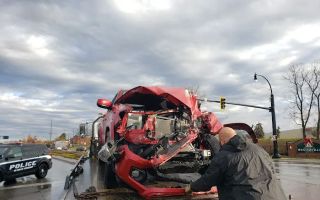
- Assess Your Vehicle: After ensuring safety, check for damage to your car. If the damage is significant or your car is unable to move, avoid trying to drive it, as this could lead to further damage or risk injury.
- Take Photos: Document the accident scene with photos, especially the weather conditions and damage to vehicles. This will be helpful for insurance claims and any legal matters that may arise.
- Exchange Information: Exchange names, phone numbers, driver’s license numbers, and insurance information with the other party involved in the accident.
- Wait for Help: If there are injuries or significant damage, it’s best to wait for emergency responders. They can provide medical care and help with traffic control until the scene is cleared.
Responding quickly and efficiently will not only help prevent further complications but also assist in resolving the situation in a timely manner.
Legal Considerations After a Car Accident in the Rain
After any accident, particularly one involving inclement weather, it’s important to consider the legal implications. In some states, accidents in bad weather can complicate insurance claims or lead to liability disputes. Here are some legal aspects to keep in mind:
- Insurance Claims: Be sure to report the accident to your insurance company as soon as possible. Insurance adjusters will review the photos and statements to determine liability and assess coverage for damages.
- Weather Conditions: While rainy weather is a factor, drivers are still expected to drive safely under all conditions. If the accident occurred because of reckless driving in poor conditions, the at-fault driver may be liable for damages.
- Legal Representation: If the accident resulted in serious injuries or significant damages, it may be wise to consult with a lawyer. A lawyer can help navigate the complexities of the claim and ensure that your rights are protected.
Understanding these legal factors is crucial to ensuring that you can recover damages, avoid unnecessary penalties, and resolve any disputes that may arise from the accident.
Towing and Rescue Services in Rainy Weather
If your car is unable to move after an accident on a rainy highway, you will need towing assistance. Towing services can safely remove your vehicle from the accident scene and transport it to a repair shop or a safe location. In inclement weather, it’s essential to rely on professionals who can handle the challenges of driving in rain while ensuring the safety of your vehicle.
At Rescue & Towing, we provide expert towing and emergency services, ensuring that you receive timely and professional help when you need it most. Whether your car is stuck in a ditch or needs to be moved after a collision, our team is ready to assist you with the necessary equipment and expertise.
Long-Term Steps After a Rainy Highway Accident
Once the immediate aftermath of the accident is dealt with, it’s important to consider long-term actions. These may include following up with your insurance, obtaining medical treatment if needed, and taking steps to repair your vehicle. If your car was damaged in the accident, seek out trusted repair services to get it back on the road. Additionally, addressing any lingering health concerns stemming from the accident is crucial for a full recovery.
Additionally, consider taking a defensive driving course to improve your skills in handling adverse weather conditions. This can reduce the chances of future accidents and increase your confidence on the road.
Conclusion: Handling a Car Accident on a Rainy Highway
Car accidents on rainy highways can be stressful and potentially dangerous, but by staying calm, following safety procedures, and responding promptly, you can navigate the situation with less difficulty. Whether it’s managing the immediate aftermath, handling legal matters, or seeking towing services, knowing what to expect and how to react is key. If you find yourself in need of assistance, always reach out to professionals like Rescue & Towing to get the help you need, ensuring your vehicle is safely removed and you’re back on track in no time.