- 1. Why Desert Breakdowns Are Dangerous
- 2. Immediate Steps to Take After a Breakdown
- 3. How to Stay Safe While Waiting for Help
- 4. Preparing Your Car for Desert Travel
- 5. When to Call a Professional
- 6. Why Rescue & Towing Is Your Best Option
1. Why Desert Breakdowns Are Dangerous
Breaking down in a desert can be a terrifying experience. Deserts are vast, often remote, and can be extremely harsh environments. Without the right preparation and knowledge, a car breakdown in the desert can quickly become a life-threatening situation. The heat during the day can reach unbearable temperatures, and at night, it can drop drastically. With limited resources, water scarcity, and few nearby services, the desert poses unique risks to stranded travelers.
In addition to the extreme temperatures, many deserts are located far from urban centers or populated areas, meaning help might not be easy to find. If your car breaks down, you could be stranded for hours or even days before assistance arrives. It's important to understand the risks of desert breakdowns so you can take appropriate action if it ever happens to you. Properly handling the situation can make all the difference between a minor inconvenience and a major emergency.

Desert Valley Towing
5900 Mariposa Rd, Oak Hills, CA 92344, USA
2. Immediate Steps to Take After a Breakdown
If your vehicle breaks down in the desert, the first thing you need to do is stay calm. Panicking can make it harder to think clearly and make sound decisions. Here are the essential steps to follow:

Handley's Auto Repair
3925 E Brundage Ln, Bakersfield, CA 93307, USA
2.1. Stay with Your Vehicle
When stranded in the desert, it's crucial to stay with your vehicle unless it’s unsafe to do so. Your car serves as a shelter, and it’s easier for rescuers to spot a stationary vehicle. Moving away from your car can make you harder to find, especially in vast desert landscapes. Additionally, the vehicle can provide shade during the hottest part of the day and shelter from the wind and cold at night.
2.2. Turn on Hazard Lights and Make Your Car Visible
Activate your hazard lights or use any reflective materials you have to make your car as visible as possible. If you have emergency flares, now is the time to use them. In the event you’re waiting for help, this can increase your chances of being seen by rescuers or passersby.
2.3. Assess the Situation
Try to determine the nature of the breakdown. If you feel comfortable doing so, check for flat tires, engine issues, or any visible signs of mechanical failure. However, be cautious about overheating engines or any situation that could put you at risk. If the issue seems simple and you feel capable of fixing it, such as changing a tire, do so carefully. Otherwise, it’s best to wait for professional help.
3. How to Stay Safe While Waiting for Help
While waiting for help to arrive, safety is your top priority. Here are some tips to ensure your well-being in the desert:
3.1. Stay Hydrated
Deserts are dry environments, and staying hydrated is critical to your survival. Always carry extra water when traveling through desert areas, but be mindful of your supply. Drink small sips at a time to conserve water while avoiding dehydration. Never drink alcohol or caffeinated beverages, as they can dehydrate you.
3.2. Protect Yourself from the Sun
The desert sun can be intensely hot, especially during midday. If your vehicle provides shade, stay inside. If you have to be outside, wear protective clothing, including hats, long sleeves, and sunglasses. If you have sunscreen, apply it to exposed areas of your skin to prevent sunburn. Use any available resources to protect yourself from the sun’s rays.
3.3. Conserve Energy
During extreme heat, it’s important to conserve your energy. Avoid unnecessary physical activity and try to rest while waiting. If possible, position yourself in a shaded area and minimize movement to prevent overheating.
3.4. Signal for Help
If you’re not in immediate danger, but help is needed, it’s best to stay with your vehicle and wait for a passing vehicle or rescue team. Use your phone if you have service, or try to send a distress signal such as SOS using a whistle, mirror, or flashlight to catch the attention of other travelers.
4. Preparing Your Car for Desert Travel
To avoid the stress and dangers of a desert breakdown, it’s essential to properly prepare your car before venturing into a desert environment. Here are some steps to take before your trip:
4.1. Ensure Your Car Is in Good Condition
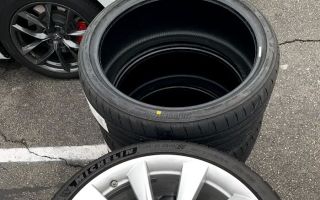
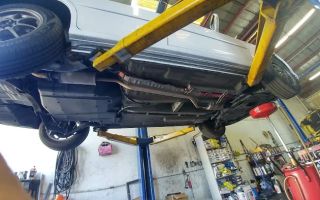
Before heading into the desert, have your vehicle thoroughly checked by a mechanic. This includes checking the engine, tires, fluid levels, and air conditioning. Ensure that your vehicle has a full tank of gas, as gas stations can be sparse in desert areas. Pay close attention to the cooling system, as overheating is a common issue in hot environments.
4.2. Pack Essential Emergency Supplies
Always carry an emergency kit with you, which should include the following items:
- Water (enough for both passengers and pets)
- Non-perishable food
- First-aid kit
- Flashlight and extra batteries
- Portable phone charger
- Basic tools and spare parts (e.g., tire patch kit, jumper cables, spare tire)
- Blankets or sleeping bags for warmth
- Map and GPS device
4.3. Keep Communication Devices Charged
Make sure your phone is fully charged before your trip. Consider investing in a portable power bank or solar-powered charger to ensure you can maintain communication if needed. If you're traveling to very remote areas, a satellite phone can be a lifesaver in case of an emergency.
5. When to Call a Professional
In situations where the issue is beyond your ability to fix, it's essential to call a professional for help. Here are some scenarios where you should call a roadside assistance service or professional towing company:
5.1. Major Mechanical Failure
If your car experiences a major mechanical issue such as engine failure, brake problems, or transmission issues, it’s important to contact a professional rather than attempting to fix the problem yourself. This will prevent further damage and ensure your safety.
5.2. No Access to Help
If you are stranded in a very remote area without service or contact with other travelers, calling a professional service like Rescue & Towing can be your best option for getting the help you need to get your vehicle back on the road.
6. Why Rescue & Towing Is Your Best Option
If you find yourself stranded in the desert, it’s essential to have a reliable and professional towing service on call. Rescue & Towing specializes in helping drivers in emergencies, offering fast and efficient towing services to get you to safety. Whether you’re dealing with a flat tire, engine trouble, or any other breakdown, they’re ready to assist 24/7. With years of experience in desert recovery, Rescue & Towing knows the best routes and methods to recover your vehicle quickly and safely, so you don’t have to worry about being stranded for long.
Visit Rescue & Towing today to learn more about how they can help you stay safe during desert travel and make sure you're always prepared in case of an emergency!