What to Do When Your Car Won't Start: How to Get a Tow
We’ve all been there—your car just won't start. Maybe it's the battery, maybe the engine, or maybe something you can't easily fix on the spot. I still remember the first time my car refused to start, and I had no idea what to do. I was stuck in the middle of nowhere, my phone battery was low, and I couldn’t seem to figure out what had gone wrong. After feeling that initial panic, I quickly realized I needed help. But how do you get a tow for a non-starting car, and when is it really necessary? In this article, I’ll walk you through everything I’ve learned about getting a tow for your car when it won’t start, how to choose the right tow service, and the essential steps you can take to make the whole process as smooth as possible.
1 - When to Call for a Tow
One of the first questions I had when my car wouldn't start was whether I even needed to get a tow. Could I fix it myself? Was it just a dead battery? Could a friend help me jumpstart it? These are all valid questions, and the answer depends on what’s wrong with your car.
1.1 - Troubleshooting Before Calling a Tow
Before calling a tow truck, I recommend checking a few common culprits. If your car won’t start, here’s a quick checklist I go through:
- Is the battery dead? A dead battery is often the culprit. Try turning on the lights or the radio—if they don't work or are faint, it’s likely your battery.
- Are you out of gas? Believe me, I’ve been there—double-check the fuel gauge. It’s an easy fix, but an embarrassing one if you’ve run out of gas.
- Is the engine turning over? If you hear the engine turning over but the car doesn’t start, it could be a fuel or ignition issue. A mechanic might be able to diagnose this, but a tow is usually needed to get it to a shop.
- Are you getting any dashboard lights? Some warning lights can indicate a larger issue, like the alternator or fuel pump failing. In this case, a tow is a good idea.
If you’ve checked these basics and your car still won’t start, then it’s likely time to call a tow truck. It’s always better to be safe and get your car to a professional for a proper diagnosis.
1.2 - When to Skip Troubleshooting and Call Immediately
There are a few situations where troubleshooting on your own may not be an option, and calling for a tow immediately is your best choice. For example:
- Accidents or collisions: If your car has been in an accident, even a minor one, it’s best to have it towed. You might not be able to assess all the damage on the spot.
- Stuck in a dangerous location: If your car is blocking traffic, parked on the side of the highway, or in any place where it could be a danger to you or others, it’s crucial to call a tow service right away.
- Engine overheating: If your engine is overheating, and you can’t safely drive your car, a tow is necessary to avoid causing more damage to the engine.
In these cases, don’t hesitate to call for help—safety should always be your priority.
2 - Choosing the Right Tow Service
Once you’ve decided that a tow is necessary, the next step is choosing a reliable tow service. I’ve learned from experience that not all tow services are created equal. Here’s what I’ve learned about choosing the right one:
2.1 - Research Tow Companies in Advance
One of the first things I recommend is researching tow companies in advance, especially if you’re frequently on the road. When you need a tow, it’s not the best time to start searching for a reputable company. I keep a list of trusted tow services in my phone, including those that operate in areas I travel to frequently. Many companies offer 24/7 emergency towing, and having their contact information saved can save you time and stress when your car won’t start.
It’s also a good idea to check reviews and ratings online before you need their services. You want a tow company that is responsive, dependable, and professional. I’ve made the mistake of calling a company with no reviews before, only to be left waiting for hours. Don’t make that mistake!
2.2 - What to Look for in a Tow Service
When choosing a tow service, here are a few key things I always check:
- Availability: Does the company offer 24/7 service? You never know when you’ll need a tow, so it's essential to have a service available round the clock.
- Response time: How fast can they get to you? In emergencies, this can be a huge factor. I always ask the estimated wait time when I call for a tow.
- Experience and professionalism: I look for companies that have been in business for a while. An experienced tow company will be able to handle your car properly and prevent additional damage.
- Affordability: Tow services can vary in cost depending on the distance, vehicle size, and service type. I always ask for an estimate before agreeing to the tow.
2.3 - Towing Options: Flatbed vs. Wheel Lift
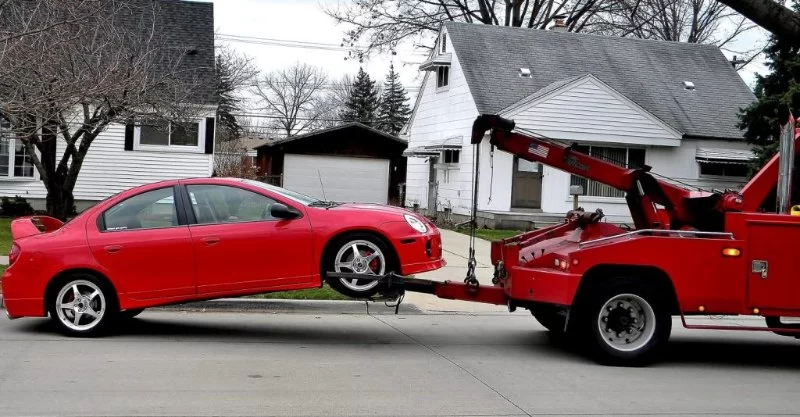
When your car won’t start, you’ll have a few options for towing. The most common types of towing are flatbed towing and wheel lift towing. I’ve used both depending on the situation, and here’s what I’ve learned:
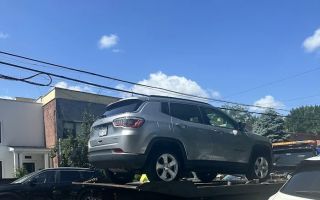
- Flatbed towing: This method is ideal if your car can’t be driven at all. A flatbed truck lifts the entire car off the ground, preventing further damage to the vehicle. I always choose flatbed towing for my own peace of mind, especially for luxury or low-clearance cars.
- Wheel lift towing: This method is faster and less expensive. It uses a hydraulic lift to lift the car by its wheels and is typically used for cars that can be driven a short distance or are not severely damaged.
Ask your tow service for the best option for your specific situation and vehicle type. In my case, when my car wouldn’t start and was in a less critical condition, wheel lift towing worked just fine.
3 - Additional Tips for a Smooth Tow Experience
Over the years, I’ve learned a few additional tips that can make the towing process easier and stress-free:
3.1 - Keep Your Car’s Information Ready
Before calling a tow truck, gather all the necessary information about your car. This includes the make, model, year, and the location of the vehicle. I always make sure I have my car’s VIN (Vehicle Identification Number) on hand, as this can be helpful for the towing company.
3.2 - Prepare for the Tow
If possible, move any personal items out of the car before it gets towed. I always try to take out valuables, as it’s not uncommon for personal belongings to get lost or damaged during the towing process.
3.3 - Communicate Clearly with the Tow Company
Finally, be clear about the details when communicating with the tow company. Let them know your location, the condition of your car, and any specific instructions. I always remind them to be careful with my vehicle, especially if it’s a low-clearance or classic car.
By taking these extra steps, you can ensure a smoother, more efficient tow experience and minimize stress when your car breaks down.
If you need legal assistance or advice regarding a tow, especially if you feel the tow company was at fault, consider reaching out to ESPLawyers for expert guidance.