1. The Moment I Realized My Car Engine Was Overheating
I still remember the first time it happened. I was driving on a summer afternoon when I noticed something unusual: the temperature gauge slowly creeping toward the red zone. At first, I thought it might be a temporary spike, but within minutes a faint smell of hot coolant drifted through the air vents.
In that moment I learned something every driver should understand — knowing car overheating emergency steps can prevent serious engine damage and keep you safe on the road.
Many drivers panic when they see steam rising from under the hood or when the engine temperature warning light turns on. However, the situation can often be managed calmly if you understand the proper response.
Through experience, research, and a few roadside scares, I’ve learned how to handle an overheating vehicle step by step.
AutoZone Auto Parts
5701 Broadway, Bronx, NY 10463, USA
2. Recognizing the Early Warning Signs of Engine Overheating
2.1 Temperature Gauge Climbing Higher Than Normal
The first sign of trouble is usually the temperature gauge moving higher than its usual position. Most vehicles operate within a specific temperature range. When the needle climbs toward the red zone, it means the cooling system is struggling to manage heat.
Pick Your Part - Help Yourself
1232 Blinn Ave, Wilmington, CA 90744, USA
2.2 Steam or Smoke From the Hood
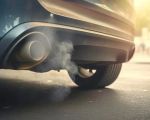
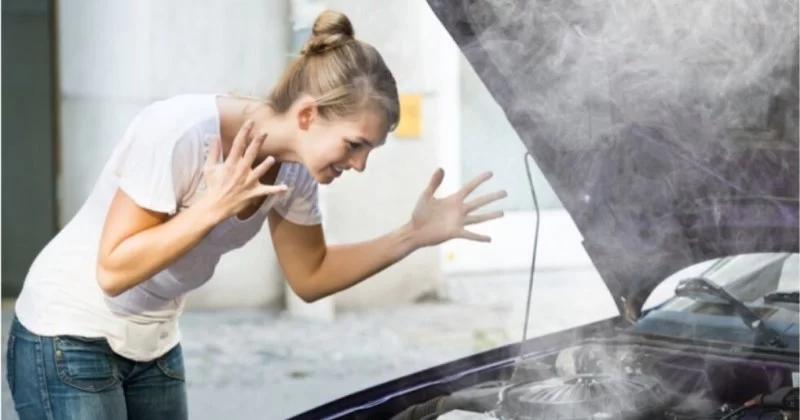
Steam escaping from the hood is often mistaken for smoke. In many cases, it is actually coolant evaporating as it leaks from the radiator or cooling hoses.
This is one of the clearest indicators that immediate action is required.
2.3 Unusual Smells Inside the Cabin
An overheating engine can produce a sweet smell caused by leaking coolant or a burning odor from overheated components.
These smells should never be ignored because they often signal a serious cooling system problem.
3. Immediate Safety Actions When a Car Overheats
3.1 Turn Off the Air Conditioner Immediately
The air conditioner places additional load on the engine. When overheating begins, I immediately turn off the AC to reduce stress on the cooling system.
3.2 Turn On the Heater
This step may seem counterintuitive, but turning on the heater can help pull heat away from the engine. The cabin might get uncomfortable, but it can buy valuable time before the engine overheats completely.
3.3 Pull Over Safely
If the temperature continues rising, the next step is to pull over as soon as it is safe. Continuing to drive with an overheating engine can cause catastrophic damage.
Warped cylinder heads, blown head gaskets, and cracked engine blocks are expensive repairs that can result from ignoring overheating warnings.
4. Allowing the Engine to Cool Down Properly
4.1 Turn Off the Engine
Once the vehicle is safely stopped, I shut off the engine completely. This prevents further heat buildup.
4.2 Wait Before Opening the Hood
Opening the hood immediately can expose you to extremely hot steam or coolant spray.
I usually wait several minutes before slowly opening the hood to allow heat to escape safely.
4.3 Never Remove the Radiator Cap Immediately
This is one of the most important safety rules. Removing the radiator cap while the engine is still hot can release pressurized coolant and cause serious burns.
Always wait until the engine cools significantly before checking coolant levels.
5. Identifying the Possible Cause of Overheating
5.1 Low Coolant Levels
One of the most common causes of overheating is low coolant. Over time, small leaks or evaporation can reduce the coolant level in the radiator or reservoir.
5.2 Radiator Fan Failure
If the radiator fan stops working, the cooling system cannot properly remove heat from the engine.
This problem often appears during slow traffic or when idling.
5.3 Thermostat Malfunction
The thermostat controls coolant flow through the engine. When it gets stuck closed, coolant cannot circulate properly.
5.4 Radiator or Hose Leaks
Cracked hoses or damaged radiators can cause coolant to leak, reducing the system’s ability to regulate engine temperature.
6. When Roadside Assistance Becomes Necessary
6.1 When the Engine Continues Overheating
If the temperature rises again shortly after restarting the engine, continuing to drive could cause severe damage.
In these cases, calling professional roadside assistance is the safest decision.
6.2 When Coolant Is Leaking Rapidly
A large coolant leak means the cooling system cannot function properly. Temporary fixes rarely last long enough to safely reach a repair shop.
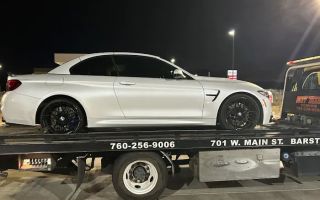
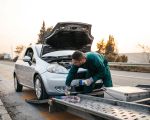
During one breakdown I experienced on the highway, I contacted a professional towing provider. Services like Rescue & Towing specialize in roadside vehicle recovery and can safely transport overheated vehicles to nearby repair facilities.
Having access to a reliable towing service can significantly reduce stress during roadside emergencies.
7. Preventing Future Overheating Problems
7.1 Regular Cooling System Inspections
Routine inspections of coolant levels, hoses, and radiator condition help detect potential issues before they become serious.
7.2 Monitoring Temperature Gauges
Many drivers rarely look at their temperature gauge until a warning light appears. Making it a habit to glance at it occasionally can help catch problems early.
7.3 Replacing Coolant on Schedule
Coolant loses effectiveness over time. Following recommended coolant replacement intervals helps maintain proper heat transfer.
7.4 Checking Radiator Fans and Thermostats
Mechanical components within the cooling system should be inspected during regular vehicle maintenance.
8. Why Understanding Overheating Response Matters
Learning what to do when a car overheats has changed how I approach driving and vehicle maintenance.
Instead of reacting with panic, I now understand how to safely manage the situation and protect the engine from serious damage.
Knowing the correct steps — reducing engine load, stopping safely, allowing the engine to cool, and calling professional assistance when needed — can turn a stressful roadside event into a manageable situation.
For drivers who travel long distances or frequently drive in hot climates, understanding these overheating emergency procedures can make a significant difference in vehicle safety and long-term engine health.