- Understanding-engine-overheating
- Common-causes-of-overheating
- Diagnosing-your-cooling-system
- Repairing-radiator-and-hoses
- Thermostat-and-water-pump-solutions
- Preventive-maintenance-tips
- When-to-call-Rescue-&-Towing
- Action-plan-for-overheating-emergencies
1. Understanding engine overheating
1.1 Why engines run hot
Internal combustion engines convert fuel into heat and motion. Normally, a car’s cooling system—radiator, coolant, and water pump—regulates temperature around 190–220°F. When heat absorption or dissipation fails, temperatures climb beyond safe limits. Learning how to fix car engine overheating problems starts with understanding this thermal balance: too much heat in, not enough heat out.
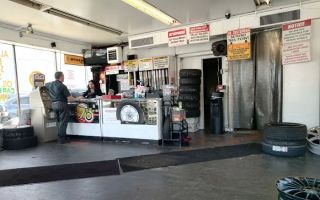
Firestone Complete Auto Care
1933 N Placentia Ave, Fullerton, CA 92831, USA
1.2 Risks of ignoring overheating
Continued operation at high temperatures risks warped cylinder heads, blown head gaskets, and seized pistons. Repair costs can soar into the thousands, far exceeding the investment in early fixes. Recognizing signs—rising gauge needle, warning lights, steam from under the hood—lets you act before catastrophic damage occurs.
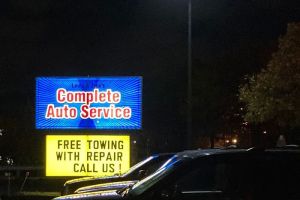
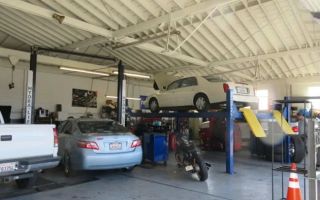
Complete Auto Service of Ann Arbor
2890 Jackson Ave, Ann Arbor, MI 48103, USA
2. Common causes of overheating
2.1 Low or contaminated coolant
Coolant level below minimum can’t circulate enough fluid; old coolant clogged with rust and debris loses its boiling-point inhibitors and corrosion protection. Regularly flush and refill your system to prevent localized hotspots.
2.2 Radiator blockages and leaks
Grime, insects, or bent fins reduce airflow through the radiator core. Small leaks in hoses or core allow coolant loss under pressure. Inspect for drips underneath the car or crusty white deposits around joints when diagnosing how to fix car engine overheating problems.
2.3 Faulty thermostat
The thermostat controls coolant flow based on temperature. A stuck-closed thermostat traps hot coolant near the engine; a stuck-open one causes overcooling but can also lead to inconsistent readings and poor circulation.
3. Diagnosing your cooling system
3.1 Visual inspection and pressure test
Begin by checking coolant level with the engine cold. Look for stains, cracks, or swollen hoses. A shop pressure test kit lets you pressurize the closed system to reveal hidden leaks.
3.2 Thermostat and sensor checks
Remove the thermostat and test in boiling water to see if it opens at the correct temperature. Similarly, monitor temperature-sensor readings with an infrared gun or scan tool to verify gauge accuracy.
3.3 Radiator flow test
With the engine cool and drained, disconnect the lower hose and crank the engine briefly (with care) to observe coolant flow rate. Weak flow points to water-pump or blockage issues requiring attention.
4. Repairing radiator and hoses
4.1 Flushing and chemical cleaners
Flushing the radiator with distilled water and a commercial cleaner dislodges scale and deposits. Follow with a complete drain and refill using a 50/50 mixture of antifreeze and water for optimal boiling and freeze protection.
4.2 Hose replacement and clamp inspection
Over time, hoses swell, crack, or soften from heat cycles. Replace any with bulges or leaks, and swap out worn clamps for worm-drive or Oetiker-style clamps to maintain firm seals under pressure.
4.3 Radiator repair vs. replacement
Small pinhole leaks can sometimes be sealed with epoxy or radiator stop-leak additives, but large core damage warrants radiator replacement. Compare part and labor costs at local shops or order a direct-fit replacement online.
5. Thermostat and water pump solutions
5.1 Upgrading the thermostat
Stock thermostats can fail prematurely. High-performance or OEM replacements with reliable opening temperatures restore proper flow. Ensure the housing gasket is replaced and surfaces cleaned to prevent leaks.
5.2 Water-pump overhaul
A failing pump—noisy bearing, coolant weep hole drip, or impeller corrosion—loses circulation. Full water-pump replacement, ideally timed with a timing-belt service if driven by the same belt, prevents repeated labor costs.
5.3 Belt and pulley checks
Serpentine or V-belts drive the water pump. Inspect for cracks, glazing, or tensioner wear. Replacing worn belts and tensioners ensures consistent pump speed and coolant throughput.
6. Preventive maintenance tips
6.1 Scheduled coolant service
Follow your manufacturer’s interval—typically every 30,000–50,000 miles—for coolant flushes. Using the correct fluid type (ethylene glycol vs. long-life formulas) maintains corrosion inhibitors and boiling-point elevation.
6.2 Radiator cap and overflow care
A worn radiator cap fails to hold system pressure, lowering boiling temperature and allowing steam pockets. Replace caps with rated-pressure units and keep the overflow reservoir clean.
6.3 Regular system inspections
At oil changes, glance at hoses, clamps, and the radiator face for wear or debris. Clearing branches and bugs from the front grill and core prevents airflow restrictions critical for engine cooling.
7. When to call Rescue & Towing
7.1 Roadside emergency signs
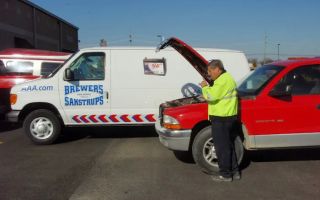
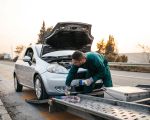
If your gauge spikes suddenly or you see white steam, pull over immediately. After adding coolant or finding a simple hose pinch, if overheating persists, call Rescue & Towing. Their rapid response saves your engine from further damage and brings your car to a qualified repair facility.
7.2 Professional diagnostic services
Some overheat causes—like hidden head-gasket failure or blocked internal passages—require specialized equipment. Rescue & Towing partners with trusted shops, ensuring expert technicians handle complex how to fix car engine overheating problems scenarios.
7.4 Preventive plans and membership benefits
Joining Rescue & Towing’s annual plan provides priority towing, discount on shop labor, and complimentary coolant top-offs during peak summer months—mitigating the risk of engine overheating disasters before they happen.
8. Action plan for overheating emergencies
8.1 Immediate steps on the roadside
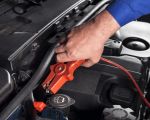
When your car overheats: safely pull off, turn off the engine, and allow it to cool for at least 30 minutes. Do not remove the radiator cap when hot—wait until pressure drops. Check coolant level, add water if necessary, and restart briefly to confirm flow before driving to the nearest service point.
8.2 Long-term follow-up
After an overheating incident, schedule a full coolant system inspection. Replace worn components and ensure the repair shop pressure-tests the system to verify leak-free operation. Log maintenance dates to avoid repeats of how to fix car engine overheating problems.
8.3 Leveraging Rescue & Towing resources
Use Rescue & Towing’s online troubleshooting guides and 24/7 hotline for advice on minor emergencies. For serious issues, their tow-and-repair packages streamline service—letting you focus on getting back on the road safely.