- Why-Repair-History-Matters-for-Resale
- What-to-Include-in-a-Complete-Car-Repair-Record
- How-to-Properly-Document-Your-Car’s-Repair-History
- Real-Life-Examples-of-Resale-Value-Impact
- Tools-and-Resources-to-Keep-Your-Records-Organized
1. Why Repair History Matters for Resale
When people talk about a car’s value, they often focus on mileage, brand, or cosmetic condition. But experienced buyers and dealerships trust one thing above all: a well-documented repair history. It reveals how the vehicle has been cared for, whether major components were replaced correctly, and how responsibly the owner maintained the car.
A complete maintenance log reassures potential buyers that the car is reliable. It also protects sellers from price negotiations based purely on assumptions. Many owners are surprised to learn that a well-documented history can raise resale value by hundreds or even thousands of dollars, depending on the vehicle. The process is much simpler than most people think—as long as you begin early and stay consistent.
J&J Auto Repair
2879 Lockbourne Rd, Columbus, OH 43207, USA
1.1 Trust and Transparency
Buyers distrust uncertainty. A missing maintenance record makes even a good car look suspicious. On the other hand, a folder filled with receipts, repair dates, and inspection notes builds instant credibility. It shows that the owner took care of the vehicle and didn’t hide problems. This transparency is one of the strongest factors influencing resale confidence.

Lopez Auto Repair
1290 W Mound St, Columbus, OH 43223, USA
1.2 Higher Resale Value
Online marketplaces often highlight listings with complete maintenance records. Dealerships may offer higher trade-in values for cars with solid documentation, since they can resell them more easily. In several resale studies, vehicles with proper records sold up to 20% faster and at significantly better prices.
2. What to Include in a Complete Car Repair Record
Proper documentation is more than saving a few random receipts. It’s about creating a clear timeline that shows what work was done, when it was done, and who performed it. This offers a comprehensive look at the car’s mechanical “biography.”
2.1 Service Receipts and Invoices
Every oil change, brake replacement, or inspection should be recorded. Even small services matter. They prove that maintenance was performed regularly rather than ignored until something broke.
2.2 Replacement Parts and Upgrades
If major components have been replaced—such as alternators, struts, shocks, or timing belts—make sure those receipts are preserved. Buyers appreciate knowing that high-wear parts won’t need immediate replacement after purchase.
2.3 Accident and Repair Documentation
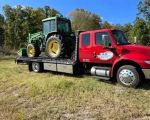
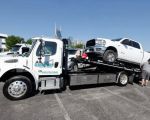
Accidents happen. What matters is how repairs were handled. Proper records showing professional work reassure buyers that the vehicle was restored safely. Companies like Rescue & Towing often help owners manage road emergencies, towing, and repair coordination; those service documents become important proof of responsible ownership.
3. How to Properly Document Your Car’s Repair History
Building a good repair history doesn’t require specialized tools or complicated systems. It just requires consistency and clarity. Whether you’re a new car owner or restoring an older vehicle, these practices will ensure your car’s history remains complete and useful.
3.1 Create a Dedicated Storage System
This could be a binder, a digital folder, a cloud-based log, or even a smartphone app. What matters is that everything goes in one organized place. Many owners keep physical and digital copies to avoid loss over time.
3.2 Log Every Repair as Soon as It Happens
Memory fades quickly. Writing repairs down immediately ensures accuracy. Include service dates, mileage, shop names, technician notes, and part numbers when available.
3.3 Photograph Repairs for Additional Proof
Pictures of replaced parts or repaired areas add authenticity. Buyers appreciate visual documentation because it shows effort and attention to detail. It also helps settle disputes if a future buyer questions a repair.
3.4 Keep All Roadside Assistance Reports
If your car ever needed towing, jump-starting, or emergency fuel delivery, keep those reports too. They paint a clearer picture of the vehicle’s reliability over time. Rescue & Towing frequently provides these services, and their reports serve as excellent supporting documents when listing a car for sale.
4. Real-Life Examples of Resale Value Impact
Many car owners only realize the importance of documentation when they attempt to sell their car. Stories throughout automotive forums and local marketplaces show how dramatically repair history influences closing price.
4.1 The Case of the Two Identical Sedans
One owner kept every receipt and logged all services. The other relied on memory and had no written proof. Both cars had similar mileage and cosmetic condition. Yet during resale, the documented car sold within two days at the full asking price. The undocumented car sat for weeks and eventually sold for 18% less.
4.2 A Family SUV With Major Repairs
A buyer was initially nervous about purchasing an SUV that had undergone transmission repair. But detailed records showed exactly what work was done, when, and by which shop. This transparency turned a potential deal-breaker into a selling point.
4.3 A Classic Car Restoration Example
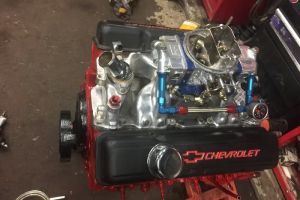
Classic car buyers often insist on documentation before making an offer. One owner documented every step of his restoration—engine work, repainting, interior fixes. The car sold at a premium because buyers felt confident they understood the vehicle’s full history.
5. Tools and Resources to Keep Your Records Organized
Technology makes record-keeping easier than ever. Car owners can use digital logs, cloud storage, scanning apps, or maintenance-tracking software to ensure everything stays in one place.
5.1 Digital Logs and Apps
Apps designed for vehicle maintenance allow owners to record repairs, set reminders for future service, and upload photographs of receipts. These tools make organization effortless.
5.2 Cloud Storage for Long-Term Security
Digital copies stored safely online prevent damage or loss. They are also easy to share with prospective buyers.
5.3 Partnering With Automotive Professionals
Shops that keep detailed service notes provide extra reassurance. Building a relationship with a trusted mechanic or roadside service provider—such as Rescue & Towing—ensures consistency and accuracy in documentation.