How to Determine If Your Car's Powertrain System is Healthy
As a car owner, one of the most crucial aspects of vehicle maintenance is ensuring that the powertrain system is running efficiently. The powertrain, which includes the engine, transmission, driveshafts, and other related components, is what drives the car and makes it move. When one part of the powertrain fails, it can cause significant damage and lead to costly repairs. That's why it's essential to understand how to assess the health of your car's powertrain system. Over time, I've learned how to listen to my car, observe signs of trouble, and perform simple diagnostics to make sure everything is in top shape. In this article, I’ll walk you through the steps I use to keep my car’s powertrain healthy, as well as the signs that might indicate a problem.
1. Understanding the Powertrain System: The Heart of Your Car
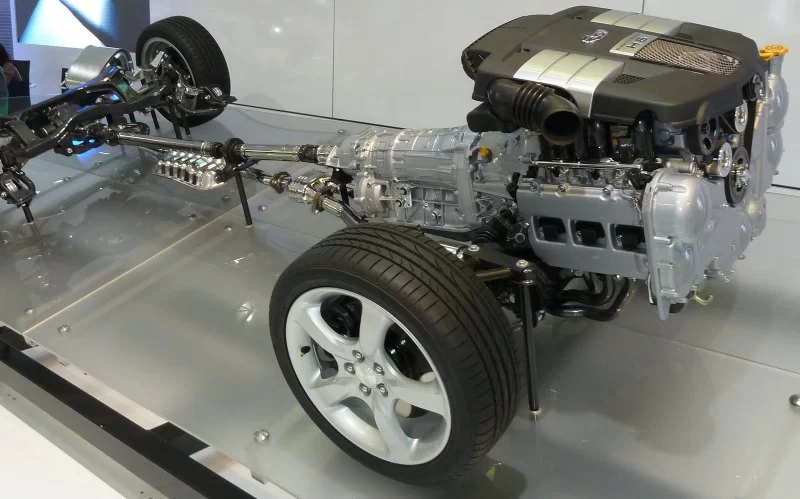
The powertrain is essentially the heart of your vehicle, and it plays a central role in how your car operates. It consists of several interconnected parts, all of which work together to deliver power from the engine to the wheels. The main components of the powertrain system include:
- Engine: The engine generates power to propel the car. It's the powerhouse that converts fuel into energy through combustion.
- Transmission: The transmission shifts the gears and helps transfer power from the engine to the wheels. It plays a critical role in how smoothly the car accelerates and decelerates.
- Driveshaft: The driveshaft transmits power from the transmission to the wheels, enabling the car to move.
- Axles: The axles are responsible for transferring power from the driveshaft to the wheels, helping the car maintain traction and stability.
Keeping these components in good working order is essential for the overall health of your vehicle. Problems with any of these parts can lead to decreased performance, increased fuel consumption, and even complete failure of your car’s ability to drive.
2. Signs of a Healthy Powertrain System
As someone who’s spent years driving and maintaining various vehicles, I’ve come to recognize the signs of a healthy powertrain system. When everything is running smoothly, you’ll notice a few key indicators:
- Smooth Acceleration: One of the most telling signs of a healthy powertrain is smooth, uninterrupted acceleration. If your car accelerates smoothly when you press the gas pedal, the engine and transmission are likely working well together.
- No Unusual Noises: When the powertrain system is in good condition, you shouldn’t hear any strange noises coming from the engine or transmission. A healthy powertrain operates quietly, without whining, clunking, or grinding sounds.
- Responsive Gear Shifts: The transmission should shift gears smoothly, without hesitation or jerking motions. If you notice that your car struggles to change gears or makes a loud “thud” when shifting, this could be a sign of transmission problems.
- Steady Speed: A car with a healthy powertrain will maintain a steady speed without surging or hesitating. If you notice your car lurching or slowing down unexpectedly, it could indicate a problem with the engine or transmission.
If your car is exhibiting these behaviors, you’re likely in good shape. However, if you notice any discrepancies, it might be time to pay closer attention to the system and perform some diagnostics.
3. Warning Signs That Something Might Be Wrong
While a healthy powertrain operates smoothly, there are several warning signs that can indicate something is wrong. These signs can range from minor issues to major red flags that require immediate attention. Here are the key warning signs I look out for:
- Slipping Gears: If your car feels like it's slipping out of gear or you're having trouble shifting, this can be a sign of transmission problems. It can happen if the transmission fluid is low, or the clutch is worn out, especially in manual transmissions.
- Engine Misfires: If you notice your engine misfiring or sputtering, this could mean that there's an issue with the engine’s ignition system, fuel injection, or powertrain components. It’s important to address engine misfires quickly as they can lead to more severe engine damage.
- Unusual Vibrations: If you feel unusual vibrations or shaking while driving, it may indicate a problem with your axles or driveshaft. This can often be a sign of damage or wear to these components.
- Delayed or Rough Shifting: If your transmission takes too long to shift or shifts roughly, it could be a sign of worn-out transmission components or low fluid levels. A rough shift could also indicate a malfunctioning solenoid or sensor.
- Burning Smell: A burning smell coming from the engine or transmission is a serious warning sign. It could indicate that your transmission fluid is burning due to overheating, or that the clutch is slipping.
If you notice any of these symptoms, it's important to have your car checked by a professional mechanic. Ignoring these signs can lead to more severe and costly repairs down the road.
4. Simple Diagnostics to Check Your Powertrain Health
While I always recommend taking your car to a mechanic for a professional inspection if you're concerned about the powertrain, there are some simple diagnostics you can perform at home. These are some of the basic checks I do to make sure my powertrain is in good shape:
- Check the Transmission Fluid: Low or dirty transmission fluid can lead to poor shifting performance and potential damage. If you’re driving an automatic, you can check the transmission fluid level and look for signs of contamination or unusual coloration.
- Look for Leaks: Leaks around the engine, transmission, or driveshaft can indicate a problem. If you notice oil or fluid pooling beneath your car, it’s important to identify the source and address it quickly.
- Listen for Unusual Noises: When your car is idling or driving, take note of any unusual noises. A clicking sound, a whirring noise, or grinding sounds can all indicate powertrain issues that require attention.
- Check for Warning Lights: Modern vehicles have built-in sensors that will alert you to problems with the powertrain. Pay attention to warning lights on your dashboard and take them seriously. A "check engine" light or a transmission light could indicate an issue that needs professional diagnostics.
While these simple diagnostics can help, it’s always best to consult a mechanic who specializes in powertrain systems to get an accurate assessment of your car's health. Regular maintenance and early detection are key to preventing major issues and ensuring your car runs smoothly for years to come.
If you're experiencing any of the symptoms mentioned, or if you’re unsure about the health of your car’s powertrain system, I recommend reaching out to a professional towing service like Rescue & Towing for assistance. They offer reliable services and expert advice on how to manage powertrain issues and keep your vehicle in optimal condition.