- why-cleaning-your-engine-bay-is-worth-it
- what-you-need-before-cleaning-an-engine-bay
- step-by-step-guide-on-how-to-clean-car-engine-bay
- mistakes-to-avoid-when-cleaning-your-engine-bay
- real-world-experiences-and-why-experts-recommend-it
- professional-help-and-gear-at-rescue-and-towing
1. Why Cleaning Your Engine Bay Is Worth It
Many car owners overlook the importance of maintaining the engine bay simply because it's out of sight. But knowing how to clean car engine bay isn’t just about making it look good. A clean engine compartment helps with early detection of leaks, reduces the risk of component corrosion, and improves the longevity of belts and hoses.
Some mechanics even say a clean engine runs cooler and allows better performance diagnostics. Whether you're selling your car, taking it in for service, or simply want to keep it running longer, this small effort can have major returns.

Walter's Auto Repair
5508 Atlantic Ave, Long Beach, CA 90805, USA
2. What You Need Before Cleaning an Engine Bay
2.1 Safety First
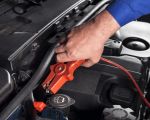
Before diving in, make sure the engine is completely cool. Disconnect the battery terminals—especially the negative side—to avoid short circuits. Cover sensitive components like the alternator, fuse box, and exposed wiring with plastic bags and rubber bands.

Nava Auto Repair
38950 30th St E C, Palmdale, CA 93550, USA
2.2 Tools and Materials
Here’s what you’ll typically need:
- Degreaser or engine bay cleaner (citrus-based is ideal for beginners)
- Plastic brushes or old toothbrushes for scrubbing
- Microfiber cloths
- Plastic or aluminum foil for covering sensitive parts
- Low-pressure water source (garden hose or spray bottle, never a pressure washer)
Optional but helpful: air compressor or leaf blower for drying hard-to-reach areas.
3. Step-by-Step Guide on How to Clean Car Engine Bay
3.1 Step 1: Dry Prep
Use a dry cloth or brush to remove loose dirt, leaves, and dust. Compressed air can blow out tight corners like under fuse boxes and beside the battery tray.
3.2 Step 2: Apply Degreaser
Spray a generous amount of degreaser on greasy areas—focus on the valve cover, power steering reservoir, and engine block. Let it sit for 3–5 minutes but don’t let it dry completely.
3.3 Step 3: Scrub Carefully
Use a soft brush to scrub built-up grime. Be patient and work in sections. Avoid aggressive scrubbing on electrical connectors or paint.
3.4 Step 4: Rinse Gently
Use a gentle stream of water to rinse the area. Spray in a downward motion to avoid pushing water into sealed connectors or sensor housings. A spray bottle works well for tight control.
3.5 Step 5: Dry and Detail
Wipe with a microfiber cloth and use compressed air or a leaf blower to force moisture from crevices. Once dry, you can use a plastic or rubber conditioner to give hoses and covers a refreshed look.
4. Mistakes to Avoid When Cleaning Your Engine Bay
4.1 Using High-Pressure Water
This is the most common error. High pressure can force water into connectors and cause shorts or long-term corrosion.
4.2 Ignoring Plastic and Electrical Protection
Failing to cover sensitive parts can lead to engine misfires, starting issues, or worse. Always protect electrical components before starting.
4.3 Overusing Chemical Cleaners
Some degreasers are harsh and can damage rubber or painted surfaces. Always test a small spot first and avoid prolonged exposure.
5. Real-World Experiences and Why Experts Recommend It
5.1 A Mechanic’s Perspective
According to Mike, a technician with 20+ years in auto repair, clean engine bays reduce diagnostic time. “When the engine is clean, it’s easier to spot oil leaks, coolant residue, or worn-out wiring. I’ve seen cars save hundreds just because the owner caught an issue early thanks to a clean bay.”
5.2 From a Used Car Buyer’s Standpoint
A buyer in Los Angeles shared how he got $1,000 more on trade-in because the dealership appraiser noticed how immaculate the engine compartment was. “It showed I maintained the car well,” he said. “And I actually learned how to clean it watching tutorials online.”
6. Professional Help and Gear at Rescue & Towing
6.1 Tools and Products
If you're unsure which degreaser to use or how to protect your electronics, Rescue & Towing offers a curated selection of engine-safe products. From eco-friendly cleaners to pro-grade detailing brushes, their tools make the process safe and simple.
6.2 Engine Bay Detailing Services
For those who prefer not to DIY, Rescue & Towing provides expert engine bay cleaning services. With technicians who understand vehicle electronics and component placement, they ensure your engine is spotless without any of the risks.
6.3 Why Choose Professional Help
Sometimes a professional touch saves more than time—it can prevent expensive mistakes. If you’ve never cleaned an engine bay or just want to ensure it's done right before a sale or inspection, scheduling a service through Rescue & Towing is a smart move.