- Importance-of-Checking-Brake-Pads
- Step-by-Step-Guide-to-Inspect-Brake-Pad-Wear
- Common-Signs-of-Worn-Brake-Pads
- Real-Life-Examples-of-Brake-Pad-Wear-Issues
- Professional-Advice-and-Services
1. Why Regularly Checking Brake Pads Is Crucial for Your Car’s Safety
Maintaining your vehicle's braking system is one of the most important steps to ensure safe driving. Brake pads are the first line of defense in stopping your car efficiently. Knowing how to check car brake pad wear can prevent accidents caused by brake failure and costly repairs down the road. Worn-out brake pads reduce braking performance, increase stopping distances, and can even damage other brake components such as rotors.
Brake pads naturally wear down over time, especially if you frequently drive in heavy traffic or mountainous areas where braking is constant. Regular inspection helps you catch wear early before it escalates into a hazardous situation. In fact, many roadside emergencies stem from neglected brake maintenance, highlighting the critical role of understanding your brake pad condition.
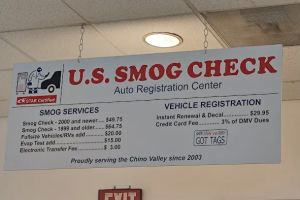
US Smog Check
14452 Pipeline Ave, Chino, CA 91710, USA
1.1 The Science Behind Brake Pad Wear
Brake pads work by creating friction against the brake rotors to slow down the wheels. This friction generates heat, which gradually erodes the brake pad material. The rate of wear depends on driving habits, vehicle weight, and pad quality. Therefore, understanding this process helps you appreciate the need for regular brake pad inspections.

Smog Stop - Star Smog & Repair Center
8870 Archibald Ave a, Rancho Cucamonga, CA 91730, USA
1.2 Safety Implications of Ignoring Brake Pad Wear
Driving with worn brake pads can cause a "soft" brake pedal, unusual noises, or longer stopping distances. In extreme cases, completely worn pads can lead to metal-on-metal contact, severely damaging brake rotors and posing a significant safety hazard.
2. Step-by-Step Guide to Inspect Brake Pad Wear Like a Pro
Knowing how to check car brake pad wear yourself is empowering and can save you both time and money. Here’s a detailed method to do it safely and effectively.
2.1 Tools You’ll Need
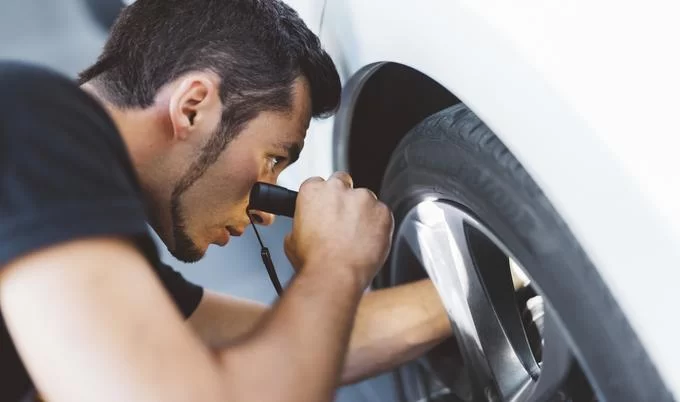
Before starting, gather a flashlight, a jack and jack stands (or ramps), and optionally, a tire iron to remove the wheels for a clearer view. Some cars also allow visual inspection without wheel removal.
2.2 Visual Inspection Without Removing Wheels
Many modern vehicles have openings in the wheel spokes where you can glimpse the brake pads. Use the flashlight to look through these gaps and spot the brake pad surface pressing against the rotor.
A healthy brake pad usually has at least 6-8 millimeters of material. If it looks thinner than 3 millimeters, it’s time for replacement.
2.3 Inspecting Brake Pads With Wheels Removed
For a more thorough check, safely jack up your car and remove the wheel. Look directly at the brake pads inside the caliper. Measure the thickness of the friction material and look for uneven wear or cracks.
Check the condition of the rotor as well—grooves or discoloration may indicate brake system issues needing professional attention.
2.4 Additional Checks
Listen for screeching or grinding sounds when braking, which often indicate worn pads. Also, be mindful of any brake pedal pulsation or vibration, which could mean warped rotors or uneven pad wear.
3. Recognizing the Warning Signs of Brake Pad Wear
Beyond physical inspection, being alert to telltale symptoms of brake pad wear can help you act early. Let’s explore common warning signs in detail.
3.1 Audible Cues: Squealing and Grinding Noises
Many brake pads come equipped with wear indicators that emit a high-pitched squeal when the pad is too thin. Ignoring this sound is a common mistake that can lead to more serious brake damage.
If you hear grinding instead, it usually means the pads are worn down completely, causing metal parts to rub directly on the rotor, which can be very costly to fix.
3.2 Visual and Physical Symptoms
If your car pulls to one side when braking, it might indicate uneven brake pad wear. Similarly, a longer stopping distance or a soft, spongy brake pedal feel should never be overlooked.
3.3 Dashboard Warning Lights
Modern cars often have brake system warning lights on the dashboard. These lights can indicate low brake fluid or issues with brake pad sensors, signaling the need for immediate inspection.
4. Real-Life Stories Illustrating the Importance of Brake Pad Maintenance
Understanding how brake pad wear affects real drivers brings the topic closer to home. Here’s a story from a driver who ignored early signs and what happened next.
4.1 A Near Miss on a Rainy Day
John, a daily commuter, noticed a faint squeal from his brakes but postponed checking it. One rainy morning, his brakes felt less responsive, and he barely avoided a collision at a busy intersection. After inspection, he found his brake pads were nearly worn through. This experience was a wake-up call to never ignore brake sounds.
4.2 How Preventive Checks Saved a Road Trip
Maria planned a long road trip and before departure, she checked her brake pads herself. Discovering uneven wear, she visited a local garage to replace them. The smooth, confident braking throughout her trip underscored the value of proactive brake maintenance.
5. Expert Recommendations and Where to Get Reliable Brake Services
While DIY brake pad inspection is valuable, professional servicing ensures complete safety and longevity for your car's brake system. Certified mechanics can detect subtle issues that aren’t obvious to the untrained eye.
5.1 When to Consult a Professional
If you detect any unusual noises, vibrations, or dashboard warnings, or if your brake pads are less than 3 millimeters thick, it’s wise to schedule a professional brake inspection.
5.2 Choosing the Right Brake Parts and Services
Quality brake pads matter. Inferior parts wear faster and compromise safety. For the best selection of brake components and towing or emergency roadside assistance, consider checking Rescue & Towing, where experts provide tailored recommendations based on your vehicle type and driving conditions.
5.3 Regular Maintenance Schedules
Brake pads typically last between 30,000 to 70,000 miles, but this varies widely. Regular maintenance intervals, as outlined in your car’s manual, should include brake inspection to catch wear before it becomes critical.
Mastering how to check car brake pad wear not only enhances your safety but also saves money and stress. By combining visual inspections, awareness of warning signs, and professional advice, you can keep your brakes in top condition and enjoy safer journeys.