- Common Myths About Oil Change Frequency
- Understanding Manufacturer Recommendations
- How Different Oil Types Affect Change Intervals
- The Role of Driving Conditions in Oil Life
- Real-Life Stories: When Ignoring Oil Changes Went Wrong
- Why Modern Cars Need Less Frequent Oil Changes
- Practical Tips for Staying on Top of Oil Maintenance
Common Myths About Oil Change Frequency
One of the most persistent myths in car maintenance is the "3,000-mile rule." For decades, drivers were told to change their oil every 3,000 miles, regardless of vehicle type or oil quality. While this advice might have been relevant in the 1970s, today’s cars and modern oils are designed for much longer intervals. Believing in this outdated myth can cost you hundreds of dollars annually in unnecessary oil changes. More importantly, it can distract from other critical car care tasks.
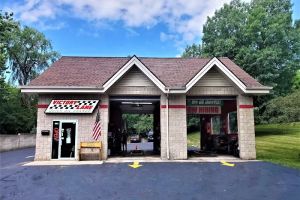
Victory Lane Quick Oil Change (Milford)
1235 E Commerce St, Milford, MI 48381, USA
Understanding Manufacturer Recommendations
Every vehicle comes with a recommended oil change interval outlined in the owner’s manual. For most modern vehicles, this falls between 5,000 and 10,000 miles, depending on engine design and oil specifications. Some luxury vehicles, equipped with advanced monitoring systems, even recommend up to 15,000 miles between changes. Ignoring these guidelines can void warranties and lead to avoidable mechanical issues. Always refer to your manual before scheduling your next oil change.

Pick Your Part - Help Yourself
1232 Blinn Ave, Wilmington, CA 90744, USA
How Different Oil Types Affect Change Intervals
The type of oil you use plays a significant role in determining how often you should change it. Conventional oils generally require more frequent replacement compared to synthetic oils, which offer better resistance to heat and breakdown. For instance, synthetic oils can last up to 10,000 miles or more under normal driving conditions. Understanding these differences helps you make smarter decisions that extend your engine’s life and save money.
The Role of Driving Conditions in Oil Life
Driving conditions matter just as much as mileage. Stop-and-go city traffic, short commutes, towing heavy loads, and extreme weather conditions all place extra stress on your engine and oil. A driver in a cold northern state may need to change oil more often than someone who drives mostly on highways in mild weather. Evaluating your driving environment honestly can help determine the right oil change schedule for your situation.
Real-Life Stories: When Ignoring Oil Changes Went Wrong
Consider the case of a college student who stretched her oil changes far beyond the recommended interval. After nearly 25,000 miles without service, her engine seized on the highway, resulting in a repair bill exceeding $4,000. On the other hand, another driver who followed their manufacturer’s extended oil change interval saved money and kept their car in excellent condition well past 200,000 miles. These contrasting stories show that while some myths about frequent oil changes are outdated, neglecting oil changes altogether can be catastrophic.
Why Modern Cars Need Less Frequent Oil Changes
Advancements in engine design, oil chemistry, and filtration systems have drastically improved oil longevity. Many cars now come equipped with oil life monitoring systems that track driving habits and conditions to provide personalized service reminders. These systems ensure oil is changed only when necessary, reducing waste and saving money. It’s an excellent example of how technology is reshaping basic car maintenance routines.
Practical Tips for Staying on Top of Oil Maintenance
To stay ahead of oil-related issues, check your oil level regularly, pay attention to dashboard warning lights, and keep receipts of maintenance work. Consider setting reminders based on your mileage and manufacturer guidelines. If in doubt, consult with a trusted mechanic or service provider. Companies like Rescue & Towing also offer reliable services and advice to keep your car running smoothly, ensuring that routine maintenance like oil changes doesn’t turn into costly emergencies.