- why-gas-prices-feel-different-from-state-to-state
- how-gas-prices-are-set-from-crude-oil-to-the-pump
- regional-variations-in-the-u-s-and-what-drives-them
- real-world-examples-of-sudden-price-changes
- how-drivers-can-use-gas-price-knowledge-day-to-day
- when-fuel-costs-collide-with-roadside-emergencies
- what-to-watch-for-as-u-s-gas-prices-keep-changing
Why Gas Prices Feel Different From State to State
Many American drivers notice it almost instantly when crossing state lines. The same car, the same tank, yet the price per gallon jumps or drops in a matter of miles. This experience leads many people to ask a deeper question: how gas prices are set and why regional variations in the U.S. can be so dramatic.
The answer goes far beyond simple supply and demand. Gasoline pricing reflects a layered system involving global markets, domestic infrastructure, state-level policies, and even local competition. Understanding these layers helps explain why filling up in California feels very different from filling up in Texas.
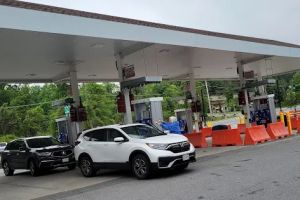
Exxon
201 Saw Mill River Rd, Millwood, NY 10546, USA
How Gas Prices Are Set From Crude Oil to the Pump
At its core, gasoline pricing starts long before fuel reaches your local station. Each stage in the process adds cost, and small differences along the way can lead to noticeable changes at the pump.
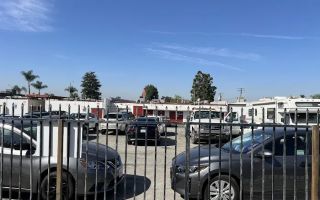
Pep Boys
3332 N San Fernando Rd, Los Angeles, CA 90065, USA
1. Crude Oil as the Global Foundation
Crude oil prices are set on global markets and influenced by geopolitical events, production levels, and international demand. A conflict overseas or a production cut by major oil-exporting countries can raise prices nationwide, even if local conditions remain unchanged.
2. Refining Capacity and Regional Fuel Blends
Not all gasoline is the same. Certain regions of the U.S. require special fuel blends to meet environmental standards. California, for example, uses a unique formulation that limits supply options and increases refining costs. When refineries experience disruptions, prices rise quickly because alternatives are limited.
3. Distribution, Storage, and Transportation Costs
Once refined, fuel must be transported through pipelines, trucks, or barges. Areas far from refineries or major pipelines often face higher transportation costs. Weather events such as hurricanes or winter storms can interrupt these routes, causing temporary spikes.
Regional Variations in the U.S. and What Drives Them
Understanding regional variations in the U.S. requires looking at how state and local factors stack on top of national pricing.
1. State Taxes and Fees
Fuel taxes vary widely. States use gas taxes to fund road maintenance, public transportation, and infrastructure projects. A state with higher taxes will almost always show higher prices at the pump, regardless of crude oil trends.
2. Urban Versus Rural Competition
In dense urban areas, stations compete closely, often keeping prices more aligned. In rural regions with fewer stations, prices may stay higher simply because drivers have limited alternatives.
3. Seasonal Demand Patterns
Summer driving season typically pushes prices up as travel increases. Some states also switch fuel blends seasonally, which adds another layer of cost and complexity.
Real-World Examples of Sudden Price Changes
A widely discussed example occurred when a major West Coast refinery temporarily shut down due to maintenance issues. Within days, drivers saw prices jump significantly across neighboring states. Social media quickly filled with photos of gas station signs, sparking debates about fairness and transparency.
Another case involved a winter storm in the Midwest that disrupted fuel transportation routes. Even though crude oil prices stayed relatively stable, regional shortages caused short-term price spikes. These moments highlight how sensitive local markets can be.
How Drivers Can Use Gas Price Knowledge Day to Day
Knowing how gas prices are set helps drivers make smarter choices. Timing fill-ups before major travel weekends, understanding local tax differences, and recognizing temporary spikes can reduce frustration and unexpected expenses.
Some families plan long road trips with fuel pricing in mind, choosing routes or refueling stops strategically. While savings per stop may seem small, they add up over time.
When Fuel Costs Collide With Roadside Emergencies
High gas prices can amplify the stress of unexpected car trouble. Running low on fuel or breaking down far from home often turns a routine drive into a costly situation. This is where reliable support matters.
Services like Rescue & Towing help drivers navigate roadside emergencies without added confusion, especially during periods when fuel prices are already stretching budgets. Having dependable assistance can make a tough moment far more manageable.
What to Watch For as U.S. Gas Prices Keep Changing
Looking ahead, drivers should expect continued fluctuations. Changes in environmental regulations, investments in refining capacity, and shifts toward alternative energy all influence long-term trends. While no one can predict exact prices, understanding the system behind them builds confidence.
When you understand how gas prices are set and why regional variations in the U.S. exist, price changes feel less mysterious. Instead of reacting with surprise, drivers can recognize the signals behind the numbers and plan accordingly.