- why-flat-tires-disrupt-your-day
- recognizing-the-signs-of-a-flat-tire
- quick-diy-flexible-flat-tire-repair
- when-to-use-professional-towing-services
- real-road-story-a-flat-on-a-rainy-night
- essential-prevention-tips-for-flat-tires
- preparing-your-flat-tire-emergency-kit
1. Why Flat Tires Disrupt Your Day
Encountering a flat tire can shake up your schedule in a heartbeat—whether you're commuting to work, running errands, or heading out on a road trip. It’s one of the most common roadside issues, yet many drivers underestimate the hassle it brings: delays, stress, potential safety risks, and added costs.
Beyond the physical flat, it’s the uncertainty that weighs on you. Will you change it yourself? Is help nearby? Does your spare even work? Understanding the ripple effect of a flat tire emphasizes why knowing how to act quickly can save time, money, and peace of mind.
That’s why this guide dives deep into practical steps—from simple DIY repairs to trusted towing options—so you can face a flat tire without panic.

MR. TIRE INC.
2078 New York Ave, Huntington Station, NY 11746, USA
2. Recognizing the Signs of a Flat Tire
Before a tire visibly deflates, there are early warning signs that can hint at trouble:
MR. TIRE INC.
2078 New York Ave, Huntington Station, NY 11746, USA
2.1 Vehicle Pulling to One Side
A sudden pull or drift can indicate a pressure imbalance—possibly a slow leak or low tire pressure.
2.2 Unusual Vibrations or Thumping Sound
These often mean the tire isn’t making full contact with the road and may be losing air rapidly.
2.3 Tire Pressure Warning Light
Modern vehicles alert drivers when pressure drops below safe thresholds. Don’t ignore this light—check the affected tire immediately.
Spotting these initial signs gives you valuable minutes to stop safely before the situation worsens.
3. Quick DIY Flat Tire Repair
Facing a flat mid-ride? These steps can help you handle a tire change safely:
3.1 Find a Safe Spot
Pull off the road onto solid ground. Activate hazard lights, set your parking brake, and put on reflective triangles or vests if available.
3.2 Gather Tools
You’ll need a jack, lug wrench, spare tire (or donut), and tire pressure gauge. Regularly check these tools to ensure they’re in working order.
3.3 Loosen Lug Nuts Before Jacking
Break wheel nuts loose while the car is grounded to prevent spinning. Then jack up the vehicle and fully remove the lug nuts.
3.4 Replace with Spare Tire
Mount the spare, hand-tighten nuts, lower the car, then torque lug nuts in a star pattern.
3.5 Check Pressure and Drive Carefully
Ensure the spare is inflated before heading to a tire shop. Don’t exceed speeds recommended for donut spares—typically 50 mph.
These steps cover most flat tire situations. But there are cases where professional help is safer and wiser.
4. When to Use Professional Towing Services
Certain flat tire scenarios call for expert assistance:
4.1 No Spare Tire
If your vehicle has run-flat tires or a TPMS-only setup, you cannot safely change it yourself.
4.2 Unsafe Location or Conditions
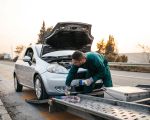
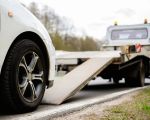
Busy highways, poor light, rain, or steep inclines make self-repairs risky. That’s when calling a towing or roadside unit is the safest choice.
4.3 Damaged Rim or Tire Unrepairable
If the rim is bent or the tire sidewall is compromised, patching won’t hold. A tow to a repair shop is necessary.
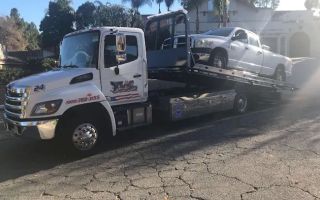
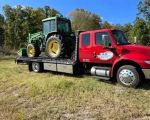
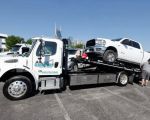
For fast, reliable help, many drivers recommend Rescue & Towing—offering 24/7 assistance and tire change services when you need them most.
5. Real Road Story: A Flat on a Rainy Night
Last spring, Emma drove home late, caught in a sudden downpour. Her TPMS light lit up, and gravel mask hugged a tire—only after pulling over did she find it shredded. With no spare and no cover, she called Rescue & Towing.
“The tow truck arrived in 15 minutes,” she recalls. “They had a spare on board and installed it quickly. I even got help pulling my wet luggage out.”
That experience reinforced her commitment to regular tire checks—and having Rescue & Towing on speed dial.
6. Essential Prevention Tips for Flat Tires
Preventing a flat is always better than fixing one. Here’s how to reduce the odds:
- Check Tire pressure monthly: Underinflation increases puncture risk.
- Inspect tread and sidewalls: Remove embedded objects and rotate tires every 6,000–8,000 miles.
- Avoid road hazards: Be cautious near curbs, potholes, and debris.
- Use sealant or run-flat options: Products like Fix-a-Flat help in emergencies.
With these habits, you’ll lessen chances of the dreaded “flat tire” moment—and stress.
7. Preparing Your Flat Tire Emergency Kit
Before hitting the road, make sure your vehicle includes:
- Functional spare (or run-flat tire)
- Jack and lug wrench
- Tire pressure gauge
- Flashlight and gloves
- Reflective vests or safety triangles
- Basic sealant or plug kit
(Always check expiration dates on sealants and inspect your spare periodically.) Being prepared turns a potential crisis into a manageable hiccup.
Whether it's a quick DIY change or relying on emergency support, understanding what to do when you get a flat tire matters. And for peace of mind on every drive, trust the dependable professionals at Rescue & Towing.