- 1-recognizing-engine-misfire-symptoms
- 2-common-causes-of-engine-misfire
- 3-diagnostics-and-troubleshooting
- 4-diy-fixes-and-preventive-maintenance
- 5-when-to-seek-professional-help
- 6-real-life-case-studies
- 7-how-rescue-towing-can-assist
1. Recognizing Engine Misfire Symptoms
An engine misfire occurs when one or more cylinders fail to ignite the fuel-air mixture at the proper time. Drivers often feel this as a sudden jerking or bucking sensation, especially under acceleration. The Check Engine light may flicker on, and the tachometer can show uneven RPMs. Additional telltale signs include rough idling—your car may shake visibly when stopped—and reduced power when climbing hills or merging onto highways. You might also notice increased exhaust smoke or a distinct smell of unburned fuel. Identifying these symptoms early helps prevent more serious damage, such as catalytic converter failure or engine overheating, which can lead to costly repairs down the road.

Walter's Auto Repair
5508 Atlantic Ave, Long Beach, CA 90805, USA
1.1 Impact on Fuel Economy
When cylinders misfire, fuel consumption spikes because unburned fuel is wasted. You may fill up more often, noticing a drop in miles per gallon (MPG). Tracking fuel economy over weeks can provide a quantitative clue that something’s wrong under the hood.
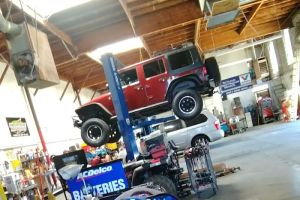
Nava Auto Repair
38950 30th St E C, Palmdale, CA 93550, USA
1.2 Emissions and Environmental Consequences
Misfires increase hydrocarbon emissions, contributing to smog and failing emissions tests. Excessive unburned fuel can also damage the catalytic converter, leading to expensive downstream repairs and potential legal penalties in regions with strict tailpipe standards.
2. Common Causes of Engine Misfire
Understanding what causes an engine misfire empowers you to troubleshoot effectively. The most frequent culprits are ignition and fuel-delivery issues. Worn spark plugs or degraded ignition coils may fail to generate a strong enough spark. Clogged fuel injectors or a weak fuel pump can starve cylinders, while vacuum leaks—such as cracked hoses or intake manifold gaskets—upset the fuel-air ratio. Mechanical faults like low compression from worn piston rings or damaged valves also lead to misfires, particularly under load.
2.1 Ignition System Failures
Spark plugs deteriorate over time; their electrodes erode and deposits build up. Ignition coils, especially on modern coil-on-plug systems, can crack internally or overheat. Replacing plugs and coils at recommended intervals (typically every 30,000–100,000 miles) prevents most ignition-related misfires.
2.2 Fuel System Problems
Dirty fuel filters restrict flow, and injectors can become varnished by ethanol-blended fuels. A mechanic’s ultrasonic cleaning or using fuel-system cleaner additives can restore spray patterns. Monitoring fuel pressure with a gauge pinpoints pump or regulator issues.
3. Diagnostics and Troubleshooting
Pinpointing the exact source of an engine misfire combines on-board diagnostics (OBD-II) with manual inspection. Start by retrieving trouble codes via an OBD-II scanner—codes P0301 to P0308 indicate cylinder-specific misfires. A consistent P0303 points to cylinder three, narrowing your focus. Next, swap ignition coils or spark plugs between that cylinder and a known good one. If the misfire follows the coil, you’ve found the faulty component. For fuel-related codes, measure fuel rail pressure with a gauge. Leaks in vacuum lines can be spotted using a smoke machine or simply listening for hissing sounds in the engine bay when running.
3.1 Compression Test for Mechanical Issues
A compression tester reveals whether a cylinder has adequate pressure. Readings below manufacturer specs indicate piston-ring or valve-seat problems. A leak-down test further isolates where pressure is escaping—intake, exhaust, or past the rings.
3.2 Professional vs. DIY Diagnostics
While basic code reading and component swapping are within a savvy DIYer’s skill set, advanced troubleshooting—like testing ignition timing, inspecting camshaft variable timing actuators, or diagnosing intermittent misfires—may require a trained technician’s tools and expertise.
4. DIY Fixes and Preventive Maintenance
Once you’ve identified the misfire source, many repairs are straightforward. Replacing spark plugs costs under $50 in parts on most vehicles; ignition coils range from $40 to $100 apiece. Cleaning or replacing fuel injectors, though pricier, can often be done at home with the right kit. Preventive maintenance—such as changing spark plugs, air filters, and fuel filters at recommended intervals—drastically reduces misfire risk. Adding a quality fuel-system cleaner every few thousand miles combats injector deposits.
4.1 Proper Torque and Gap Specs
Tighten spark plugs to the torque specified in your service manual—usually 18–25 ft-lbs—to prevent cross-threading or under-tightening. Verify the correct electrode gap with a feeler gauge; an improper gap causes weak sparks and misfires.
4.2 Regular Inspection of Vacuum Lines
Inspect all rubber and plastic hoses for cracks, brittleness, or loose clamps each oil change. Even a minor leak can upset the fuel-air mix, especially in modern direct-injection engines sensitive to intake pressure.
5. When to Seek Professional Help
Not all misfires are DIY-friendly. If your troubleshooting points to internal engine damage—like low compression, bent valves, or timing-chain issues—professional intervention is essential. Additionally, persistent misfires that dodge simple fixes, intermittent codes, or those accompanied by knocking noises warrant a qualified mechanic’s attention. Complex systems like turbochargers, variable valve timing, and direct-injection pumps often require specialized diagnostic tools and factory software to recalibrate and resolve errors.
5.1 Cost-Benefit Analysis
Minor repairs like plug or coil replacement typically pay for themselves quickly by restoring fuel economy and preventing catalytic converter damage. However, rebuilding an engine or replacing a high-pressure fuel pump may approach the value of an older car. In such cases, consider towing options or drivetrain replacement services from professionals.
6. Real-Life Case Studies
Understanding how actual drivers dealt with misfires helps illustrate best practices.
6.1 The Weekend Road Trip Snafu
On a cross-country trip, Sarah’s SUV began jerking at highway speeds. Using her on-board code reader, she discovered a P0302 misfire. She swapped the coil from cylinder two with cylinder four during a roadside lunch break, and when the misfire moved to four, she knew which coil to replace. A quick install at a nearby auto parts store and a reset got her back on the road without a costly tow.
6.2 The Intermittent Cold-Start Misfire
Tom’s performance sedan misfired only when cold. Technicians traced the issue to a failing fuel pressure regulator that leaked when ambient temperatures dropped. After replacement, the misfire disappeared and his MPG on city commutes improved by 1.5 miles per gallon.
7. How Rescue & Towing Can Assist
If an engine misfire leaves you stranded on the shoulder, Rescue & Towing offers 24/7 emergency service. Their technicians can deliver jump starts, on-the-spot diagnostics, and even mobile parts replacement for common failures like spark plugs and ignition coils. When repairs exceed roadside capabilities, their flatbed tow service transports your vehicle safely to a certified repair facility. Signing up for Rescue & Towing’s membership plan grants priority dispatch, discounted labor rates, and complimentary trip interruption coverage—ensuring you’re never left searching for help in the dark.