- 1 - power-outlet-basics - Understanding How Car Power Outlets Work
- 2 - blown-fuse-issues - Blown Fuses and Why They’re the Most Common Problem
- 3 - loose-connections - Loose or Damaged Connections Inside the Socket
- 4 - device-compatibility - Device Compatibility Problems Many Drivers Overlook
- 5 - overheating-outlet - Overheating Power Outlets and What Causes It
- 6 - worn-out-socket - Worn-Out Sockets from Long-Term Use
- 7 - real-scenario - A Real Driver Scenario Showing How a Minor Issue Became a Big Problem
- 8 - diagnosing-outlets - How to Diagnose Power Outlet Issues Safely at Home
- 9 - when-to-seek-help - When to Seek Professional Help for Power Outlet Problems
1. Understanding How Car Power Outlets Work
Drivers often realize how much they rely on their car’s power outlets only when they suddenly stop working. To understand the Common Problems with Car Power Outlets, it helps to know what’s happening inside the system.
Most car power outlets were originally designed as cigarette lighters, later evolving into universal 12V sockets that power chargers, portable vacuums, tire inflators, and navigation units. Modern vehicles may even include multiple outlets or USB-based systems, but the underlying electrical structure still depends on a fuse, wiring harness, and grounding connection.
Because these outlets are constantly being used for different devices—some high-wattage and some cheaply built—they’re more prone to wear and failure than drivers expect.

IMC powered by Parts Authority
139 Lafayette Dr, Syosset, NY 11791, USA
2. Blown Fuses and Why They’re the Most Common Problem
A blown fuse is the number one cause of a dead car power outlet. Fuses protect the vehicle from electrical overloads, so when a device demands more current than the outlet can safely supply, the fuse burns out and cuts the circuit.
Many drivers assume the outlet itself is broken, but in reality, it’s often just a firewall of protection doing its job. Replacing a fuse is inexpensive and quick, but finding which fuse controls the power outlet can be confusing without a diagram.
Drivers who frequently plug in portable heaters, high-powered air compressors, or older inverters are more likely to blow fuses. It’s one of the reasons roadside service providers such as Rescue & Towing often advise checking fuse ratings before using any aftermarket device.

Costco Tire Center
43621 Pacific Commons Blvd, Fremont, CA 94538, USA
3. Loose or Damaged Connections Inside the Socket
A loose connection inside the outlet is another subtle but common issue. Over years of plugging and unplugging devices, the internal metal contact points can bend or weaken. When the device’s plug no longer makes sturdy contact with the power flow, the outlet appears dead even though it technically still has power.
This problem becomes especially noticeable when devices disconnect intermittently—charging a phone for five seconds, then dropping the connection, then reconnecting when the car hits a bump. Drivers often assume the charger is defective when the real issue lies deeper inside the outlet assembly.
If the socket itself becomes damaged, replacement is usually straightforward and affordable, but accessing the wiring behind the dashboard can require expertise.
4. Device Compatibility Problems Many Drivers Overlook
Many power outlet issues come from mismatched devices rather than the outlet itself. Some devices draw more power than a 12V system can support, causing momentary failures or overheating. Others have plugs that don’t sit firmly inside certain sockets, especially in older cars.
One driver shared a story online about a portable refrigerator that worked perfectly in a truck but immediately tripped the fuse of a compact sedan. The issue? The fridge demanded more current during startup than the sedan’s electrical system could handle.
Compatibility matters more than most people realize, and checking a device’s wattage before plugging it in can save time and avoid damage.
5. Overheating Power Outlets and What Causes It
An overheating outlet is often a sign that a device is drawing too much power, or the socket is worn or dirty. Dust, debris, and corrosion inside the socket create resistance, causing heat buildup.
If an outlet feels hot to the touch or gives off a faint burning odor, the safest move is to stop using it immediately. Overheating can damage wiring, which is far more expensive to repair than replacing the outlet itself.
Ignoring overheating signs can also lead to failure during emergencies, such as when you need your inflator to fix a low tire. That’s why drivers often rely on services like Rescue & Towing when electrical issues leave them stranded.
6. Worn-Out Sockets from Long-Term Use
Like anything mechanical, power outlets wear out. A socket used for ten years may become loose, corroded, or entirely nonfunctional. Because 12V outlets weren’t originally designed for today’s high-frequency charging habits, older vehicles suffer the most from socket fatigue.
If your charger wobbles inside the socket or only works when you press it at an angle, worn-out components are likely the cause. Replacement parts are inexpensive, but installation can be tricky in vehicles with tightly integrated dashboards.
This aging process is natural and shouldn’t be ignored, especially for drivers who depend on reliable in-car charging during commutes or long highway trips.
7. A Real Driver Scenario Showing How a Minor Issue Became a Big Problem
A commuter in Ohio once shared an experience that perfectly illustrates how small power outlet problems escalate. His phone charger stopped working one morning, and he assumed the cord was worn out. He didn’t check the outlet.
Two days later, with a nearly dead phone, he hit a pothole on the highway—and moments later, a warning light popped up. He tried to use his portable diagnostic scanner, but the outlet was still dead, leaving him with no way to identify the issue. Eventually, his car stalled, and he needed roadside assistance from a towing service.
It turned out to be nothing more than a blown fuse, but because it went unchecked, it created a chain reaction of stress, lost time, and unnecessary worry. Stories like this are reminders that electrical issues are rarely isolated—they can affect multiple systems.
8. How to Diagnose Power Outlet Issues Safely at Home
Diagnosing power outlet problems doesn’t always require a mechanic. Start with the basics: test the outlet with a known working device. If it still fails, locate the fuse box and inspect the fuse corresponding to the outlet.
If the fuse looks intact, check for debris or corrosion inside the socket. A small flashlight can help identify issues. Avoid prying inside the socket with metal objects, as that can cause electrical shorts or injury.
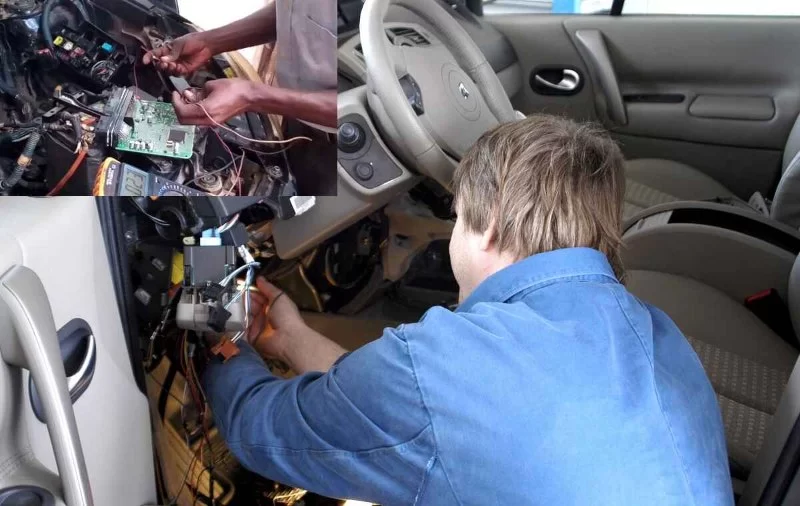
If the wiring behind the socket seems suspect or the outlet overheats, it’s best to consult a professional who understands automotive electrical systems.
9. When to Seek Professional Help for Power Outlet Problems
Some electrical problems go beyond simple fixes. If your outlet repeatedly blows fuses, shows signs of burning, or fails to power even low-demand devices, there may be a deeper wiring issue. Problems like these shouldn’t be ignored, as they can cause failures in other systems or even lead to electrical hazards.
When in doubt, reaching out to a trusted provider like Rescue & Towing ensures that the issue is diagnosed accurately and repaired safely. Professional inspection brings peace of mind and prevents small electrical malfunctions from turning into costly repairs.
Keeping your car’s power outlet in good shape is essential for modern driving—whether you’re charging navigation devices, using emergency equipment, or simply ensuring your phone stays powered during long trips.